


Water management plan sparks fear of ‘new Tryweryn’
Martin Shipton
A Plaid Cymru MS has warned that plans to control water flow from Montgomeryshire raise the spectre of scandals from the 20th century where Welsh land was flooded to provide water to communities in England.
A partnership called the Severn Valley Water Management Scheme has been developing a plan to “invest in water management” in the Upper Severn catchment. The scheme is led by the [English] Environment Agency and also includes Natural Resources Wales, Powys County Council, and Shropshire Council.
A statement on the partnership’s website says: “The scheme is being developed in response to a critical need for investment in water management across the Upper Severn catchment.
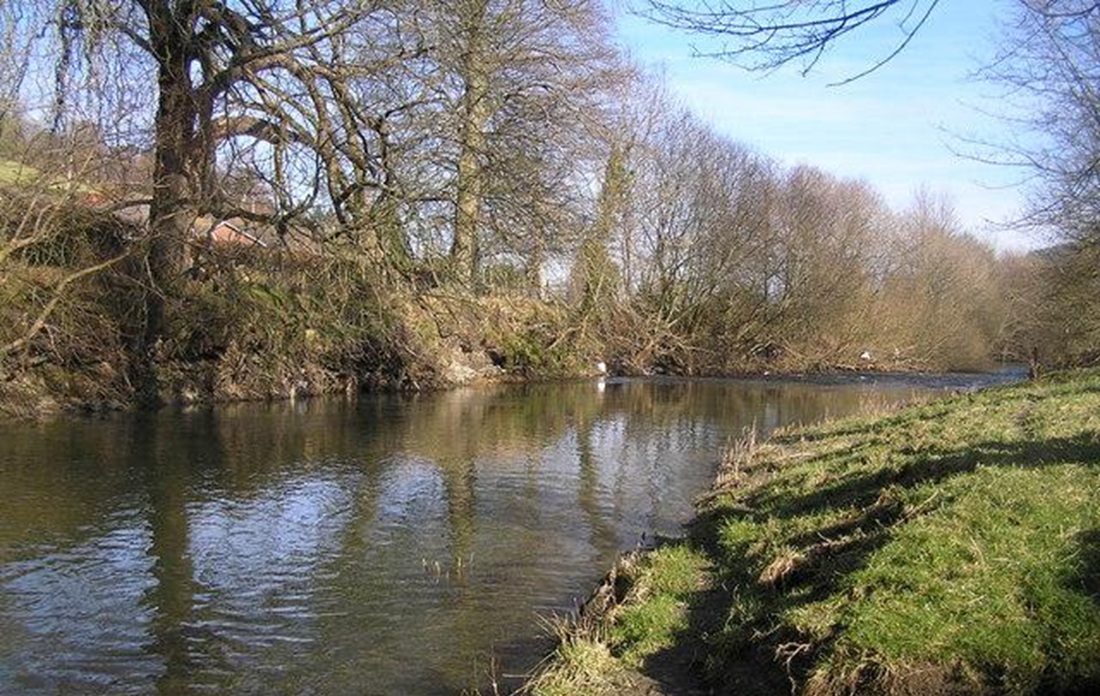
“The River Severn forms an integral part of life for those who live and work around it. It provides benefits and opportunities for wildlife, transport and recreation, as well as water for farming and community uses.
“Those living near the River Severn will know of the long history of significant flooding in recent decades, causing damage to homes and businesses, impacting local infrastructure and disrupting travel.
“Conversely, local communities have also experienced periods of prolonged dry weather and, in some cases, droughts which have led to restrictions in local water use. In 2022, the Upper Severn catchment went from winter flooding conditions through to formal drought status within the space of eight months. Groundwater and reservoir stores were used to support the communities and wildlife who depended on the water supply provided by the Severn.
“To provide resilience to those communities regularly affected by flooding we need to store the equivalent of up to 100 billion litres of water during times of flood. That’s the equivalent of 40,000 Olympic size swimming pools, or 3.8 years of daily water consumption for the whole of Shropshire and Powys combined.”
Describing the possible interventions that could be taken, a document issued by the partnership states: “Nature and engineering must work together. Three types of flood management interventions are being explored to ensure the scheme can store the flood water needed. These are:
* Land use enhancement: such as buffer strips, wet woodlands, tree planting, floodplain restoration, peat restoration and soil management. These measures help slow water flow, improve habitats, and support farming and wildlife.
* Natural flood management: such as passive floodplain storage, runoff attenuation features and use of large woody material. These measures work with the landscape to reduce flood risk and provide additional benefits for people and nature.
* Temporary flood storage areas (FSAs): interventions designed to temporarily store water during large flood events, reducing the impact of flooding. In some cases, temporary flood storage areas will need to hold 2-10m depth of water during more extreme flood events.
Tryweryn Valley
One of the most potent political issues in Wales during the 20th century was the flooding of land to create reservoirs that supplied English towns and cities with water. Most controversial was the flooding of the Tryweryn Valley to supply water to Liverpool.
Commenting on the latest water management proposals, Plaid Cymru MS Elwyn Vaughan, who represents Gwynedd Malwyn, said: “It seems ironic to be talking about a Severn Valley Water Management plan in the middle of a drought however that is what is happening.
“A range of organisations including Shropshire Council, Natural England and Powys Council are developing a plan to control water flow from Montgomeryshire. Their report states the need to store 100 million cubic metres of water during floods – that is equivalent to two Clywedog dams.
“Naturally catchment area water control is an important issue; however I have already made it clear to those behind the project it is imperative they don’t talk about ideas such as developing new dams and they need to understand and respect the sensitivity that surrounds water in Wales.
“It is also pointless to talk about holding water back in Powys if they then continue to build houses on flood plains in Shropshire and Herefordshire – all that will lead to is a further request in years to come to hold ever more water back for the benefit of others.
“The reality is water overflow along the Welsh border is nothing new; everyone should be reminded of the meaning of placenames from our history such as Trallwng/Welshpool, Argae, Bryn Sarn Caled and Maesbury Marsh in Shropshire.
“It is imperative that landowners and communities are made fully aware of these proposals and their scale as they develop and that they aren’t pushed by interested parties from over the border who have most to gain.”
‘Beneficial’
A QA on the partnership’s website includes the following question and answer:
“Q. Isn’t this Welsh land and water being taken advantage of to benefit England?
“A. We understand that any cross-border cooperation on water resources between England and Wales will be met with some caution by communities in Wales. However, we seek to provide outcomes that are both locally and regionally beneficial.
“The Severn Valley Water Management Scheme (SVWMS) will listen to and work with Welsh and English communities to serve people who live in the catchment. The scheme wants to provide benefits that will help the close-knit communities across the catchment to flourish even further.
“Two of the core partners of the SVWMS are Welsh public bodies; Powys County Council, and Natural Resources Wales. In addition, DEFRA are engaging with their counterparts in the Welsh Government as the scheme progresses. This means that the SVWMS must take account of and deliver against relevant Welsh legislation and policies which protect the environment and consider the wellbeing of the people of Wales (now and in the future).
“By having Welsh and English authorities working together to deliver the scheme, we are confident that we will benefit both the Welsh and English parts of the catchment.
Cross-border cooperation
“The need for cross-border cooperation in the SVWMS is borne out of geography and catchment level problems which require catchment level solutions. Flooding and drought do not adhere to national boundaries and communities across the catchment rightly expect public authorities to work together to protect people and the environment.
“The scheme itself will be considering a range of ways to manage water in the catchment that will reduce the risk of flooding as well as enhancing wildlife habitats and dealing with periods of drought. Hard engineering solutions may be a part of the answer, but the scheme will not advocate the building of large dams. Instead, any hard engineering solutions will need to be sympathetic to local communities, landscape and culture.”
Support our Nation today
For the price of a cup of coffee a month you can help us create an independent, not-for-profit, national news service for the people of Wales, by the people of Wales.
Get more trusted Welsh news
Choose Nation.Cymru as a preferred source in Google News to see more of our journalism.



Elwyn Vaughan hates trees so much that he’d rather see Welshpool vanish into the mud than do catchment-based flood planning (as any local authority realistically must).
Water can only be effectively managed by catchment area. Nature does nor recognise administrative boundaries.