

We need earlier diagnosis and better aftercare: Maxine Hughes on Wales’ cancer system
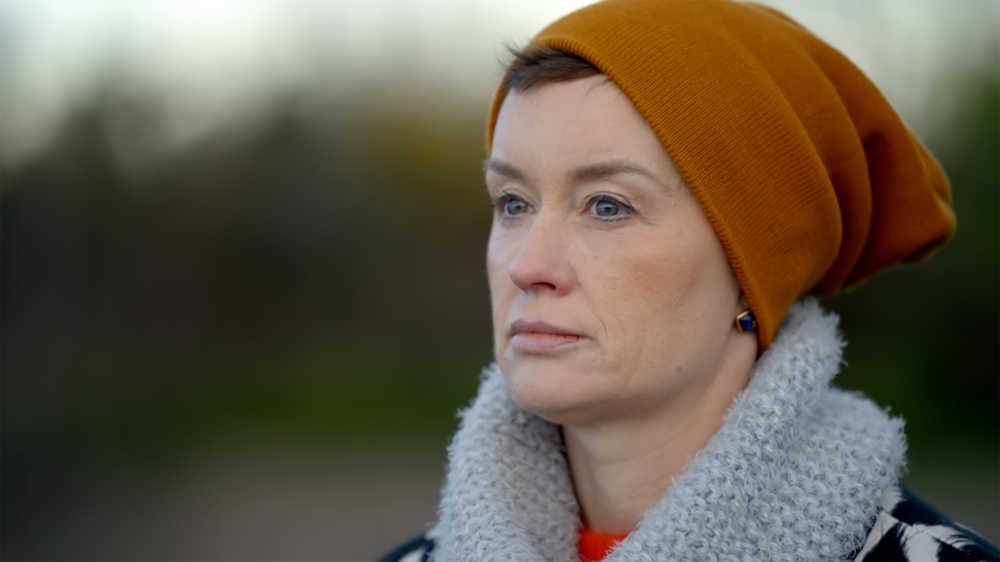
In a deeply personal S4C documentary, journalist Maxine Hughes explores Wales’ cancer system and speaks to those impacted by its failings.
From securing a diagnosis to the quality of after-care, in Maxine Hughes: Canser ar ba gost? (Maxine Hughes: Cancer at what cost?) the proud Welsh woman explores the reality of having cancer in Wales today.
“The figures in Wales show that the situation is worse than ever,” says Maxine. “The cancer can change from one stage to the next stage in less than months. And that’s the difference between either fighting cancer or dying.”
At 45-years old Maxine Hughes found a lump in her breast. Living in Washington DC, USA, and with good health insurance in place, within two weeks she’d had a diagnosis of triple negative breast cancer and started a course of chemotherapy.
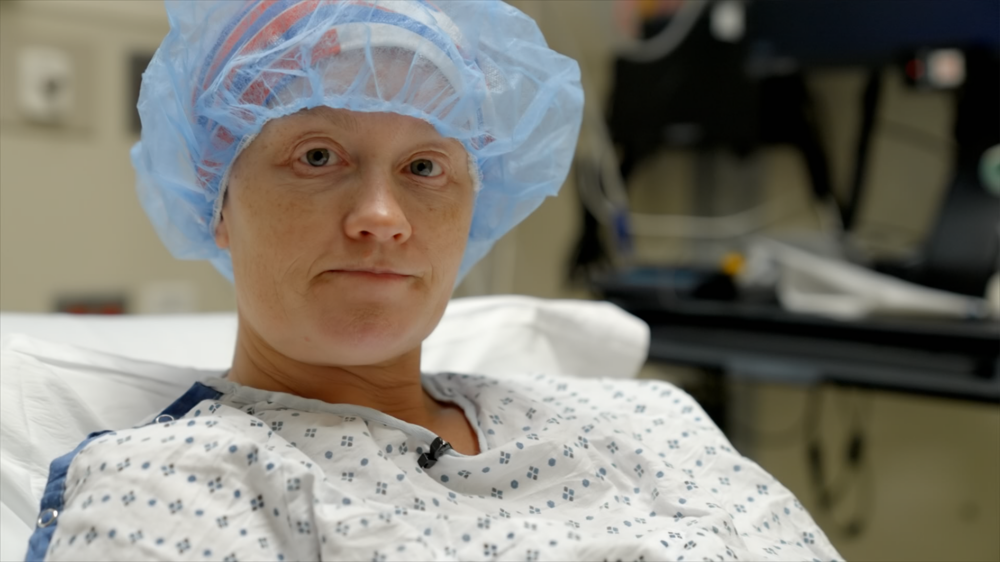
“Whenever I speak to people back in Wales, they can’t believe how quickly I started treatment. They can’t believe that I had my diagnosis and then within two weeks I was sat in a chair having my first chemo.”
On the programme, Lowri Griffiths, Director of Support, Policy, and Insight at Tenovus speaks about losing her close friend Claire O’Shea, who faced challenges seeking her diagnosis. Tenovus now supports Claire’s Campaign, calling for change in the culture of dismissing women’s voices in healthcare settings.
“We want doctors and clinicians to listen to women. If they say there’s something wrong with their body, they know best.
“We’re asking the Government for a new strategy for cancer in Wales. The tsunami of people getting cancer in the future is going to increase…and we need to get to grips with this crisis…”
Dawn Larson from Caernarfon shares her personal cancer experience with Maxine, from the great treatment to the shortage of after-care.
“Once you turn fifty, you get a mammogram once every three years, but if you’ve already had treatment, you get a mammogram once a year, and that’s it.” Explains Dawn, who feels that the after-care in Wales is missing. “The team I had was amazing; they fixed me,” she says. “But then there was nothing.”
The difference in after-care comes as a shock to Maxine, who will see her oncologist every six months for five years for scans and blood tests following her treatment in America.
Another advocate for better after-care is Ffion Haf Hughes from Caernarfon, who set up Judith’s Trust. The charity provides direct support to women who have suffered severe illness such as breast cancer by offering free medical cosmetic treatments and therapies.
“A lot of women come to us with completely different breasts, they’re totally messed up, scars everywhere,” explains Ffion. “But then you speak to a surgeon who’s doing amazing work every day and it makes you think, it doesn’t have to be like that.”
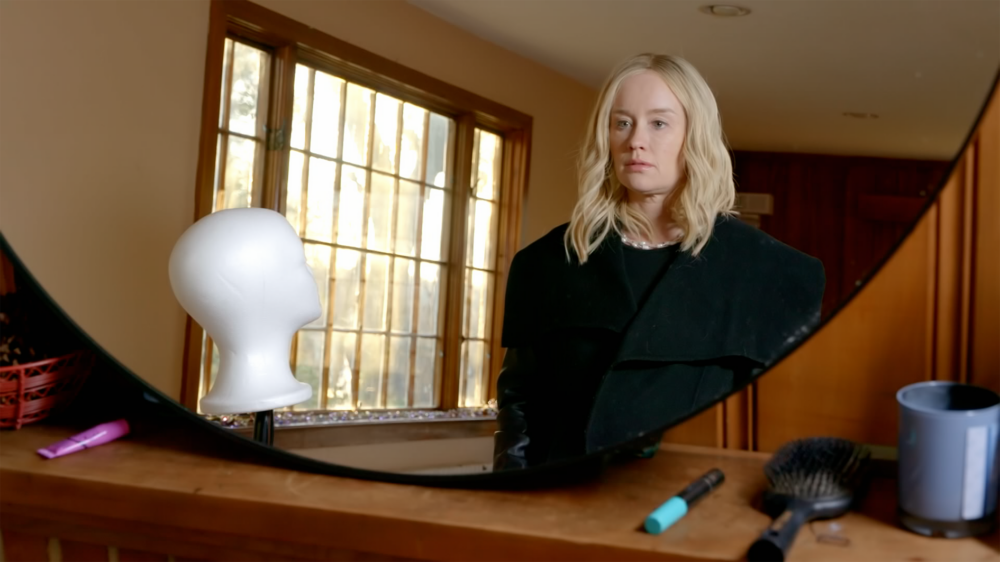
On the programme we see Ffion create a temporaty nipple and areola for Maxine, while discussing the confidence and improvement in well-being that comes with caring for the body post-treatment.
“I didn’t expect it to look so natural. It’s given me hope in a way because now I can see how I could look in the future.” Says Maxine, who undergoes a double masectomy in the programme. “I remember asking the oncologist after the surgery, so what do I do now? And she said, ‘you go out and live your life.’ And I think about that often. You have to, you just have to go and live.”
From the personal to the national, demanding answers from politicians and hearing from those developing ground-breaking cancer treatments, Maxine Hughes: Canser ar ba gost? gives an insight into the reality and effect of the cancer system in Wales today.
The documentary will air on S4C on 17 March at 21.00 and will also be available to watch on S4C Clic and BBC iPlayer with Welsh and English subtitles.
Support our Nation today
For the price of a cup of coffee a month you can help us create an independent, not-for-profit, national news service for the people of Wales, by the people of Wales.


