


Nine ‘offbeat’ Welsh towns to visit this spring
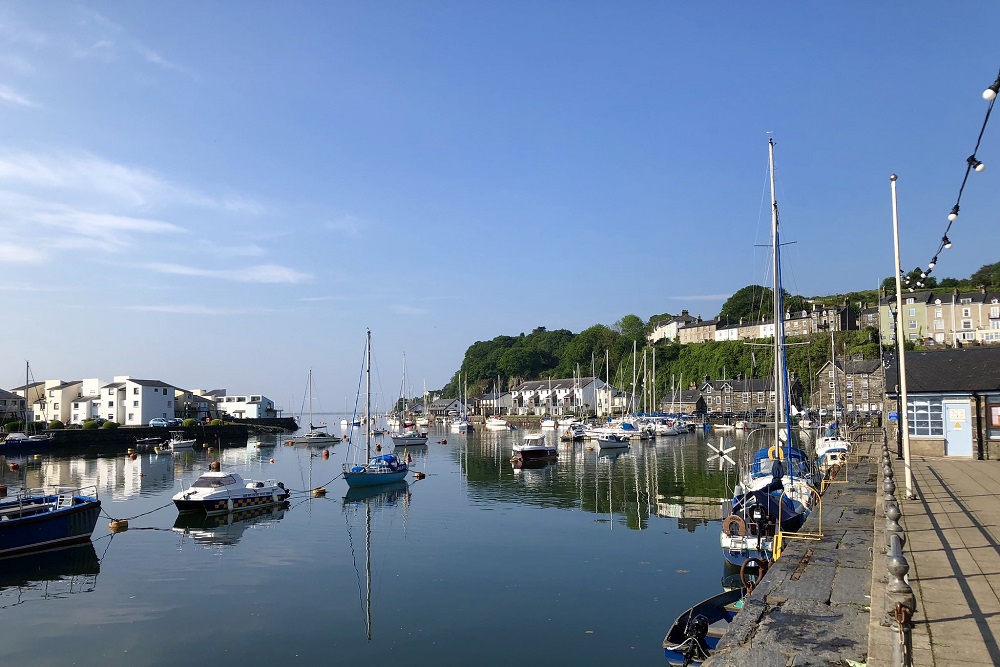
A global geography site has highlighted some of the most offbeat and underrated towns to visit across Wales this spring.
WorldAtlas, which launched as a cartographer’s passion project in 1994, is now a leading resource in geography serving 165 million readers.
They recently shared nine “offbeat towns” in Wales that boast the best “breathtaking landscapes, ancient legends, and unexpected discoveries” without the hustle and bustle. These are:
Llanwrtyd Wells
One of Britain’s smallest towns, Llanwrtyd Wells is home to around 850 people. According to WorldAtlas it is “far better known than it has any right to be.”
The town has always attracted visitors from across Britain and the world. In the Victorian era, tourists descended on the town for its healing waters, apparently discovered by clergyman Theophilus Evans in the 16th century.
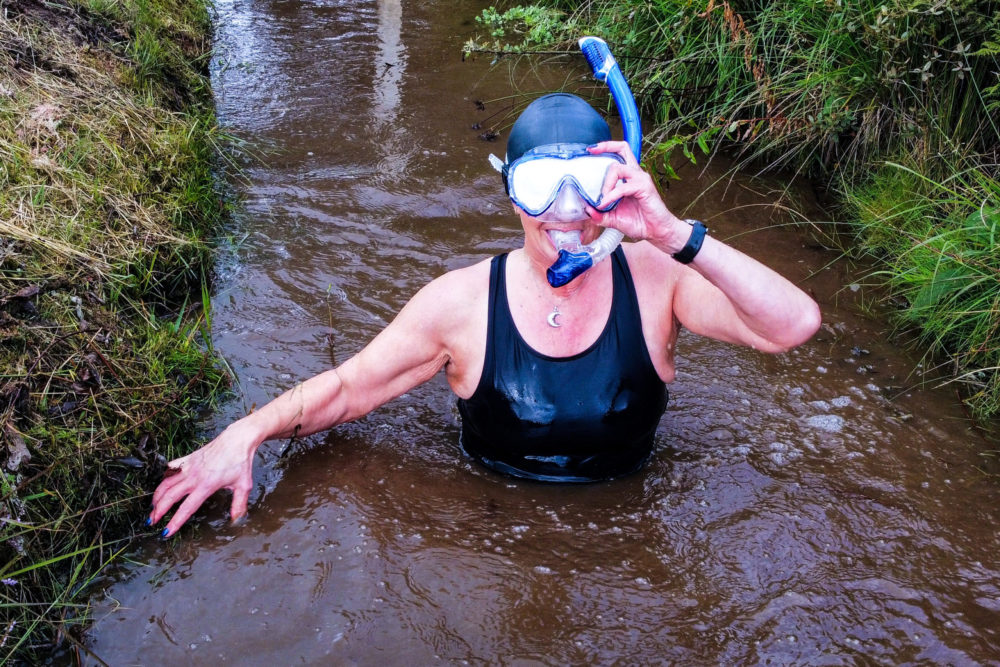
Nowadays, Llanwrtyd Wells hosts more modern events such as The World Bog Snorkeling Championships, held every August since 1988, and the Man vs Horse Marathon, pitting runners and riders against each other since 1980.
As well as quirky competitions, WorldAtlas highlights the Irfon Valley, which “remains good walking and birdwatching country, particularly for red kites, which were nearly extinct in Britain before mid-Wales conservation efforts brought them back.”
Portmeirion
Not exactly a town, Portmeirion was designed by Sir Clough Williams-Ellis to resemble an Italian village in the heart of north Wales. With Portofino as the main inspiration, Portmeirion is filled with colourful buildings and manicured gardens looking out over the Dwyryd estuary.
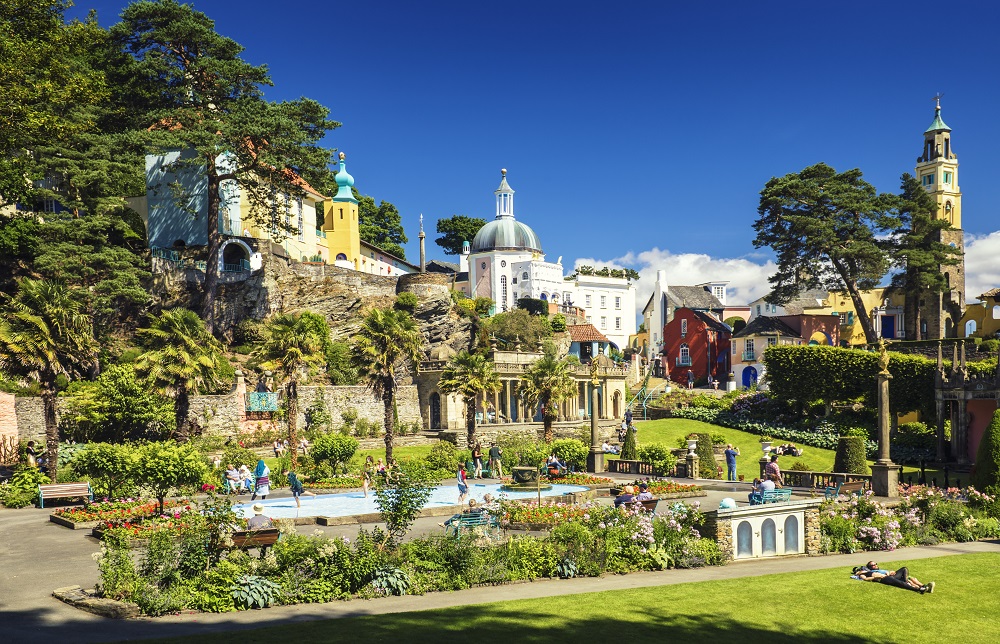
Most famous as the set for the 1960s television show The Prisoner, this year Portmeirion will celebrate 100 years since it opened in 1926. To mark the anniversary, the site will host the Gwyl Portmeirion Festival, welcoming artists like Squeeze, Jools Holland and his Rhythm and Blues Orchestra, Sir Bryn Terfel, the Brythoniaid Male Voice Choir, and Gwenno throughout July and August.
Machynlleth
Serving as the seat of Owain Glyndŵr’s Welsh Parliament in 1404 during his rebellion against English rule, Machynlleth is known as the ancient capital of Wales. Three buildings from this period, including Glyndŵr’s Parliament House, remain in the town. The site is now a museum sharing information about his life.

Nowadays, Machynlleth is a cultural centre, with a range of art galleries including MOMA Machynlleth, “a gallery housed in a converted Wesleyan chapel called Y Tabernacl since 1986”. The town also hosts the Mach Comedy Festival at the start of May, and the Corris Craft Centre, where visitors can take an underground boat trip, and Centre for Alternative Technology provide popular visitor attractions in the surrounding area.
Llanidloes
As the River Severn flows from its source, a peat bog on the slopes of the Pumlumon mountain range, the first town it meets is Llanidloes. WorldAtlas suggests visitors “trace it back to its source along trails through Hafren Forest northwest of town. There is no waterfall or gorge at the top, just sphagnum moss and open mountain.”
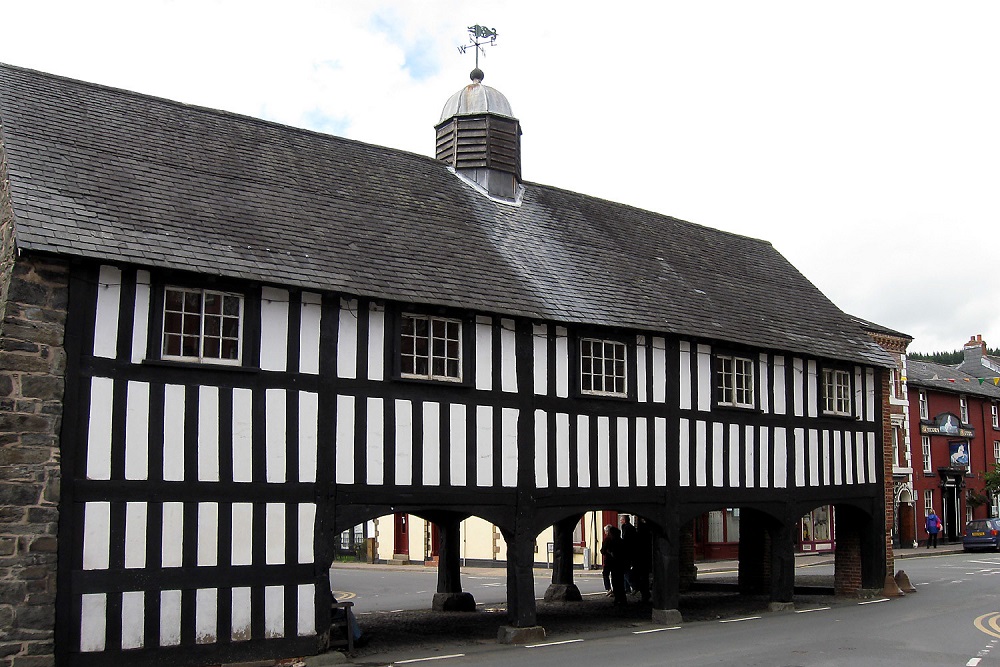
The surrounding mountains still draw a number of ramblers to the town, along with the vast Clywedog Reservoir complete with the quaint Caffi Clywedog. In the town, the Minerva Arts Centre preserves Welsh quilting traditions, while the Old Market Hall shares the history of timber-framed buildings. Speaking of, “the Church of St Idloes contains a 15th-century hammer-beam roof worth a few minutes of looking up.”
Porthmadog
A largely Welsh-speaking town, Porthmadog is steeped in maritime history. Founded over 200 years ago, it became one of the busiest slate ports in the country, with over 116,000 tons of slate a year leaving its harbour by the 1870s.
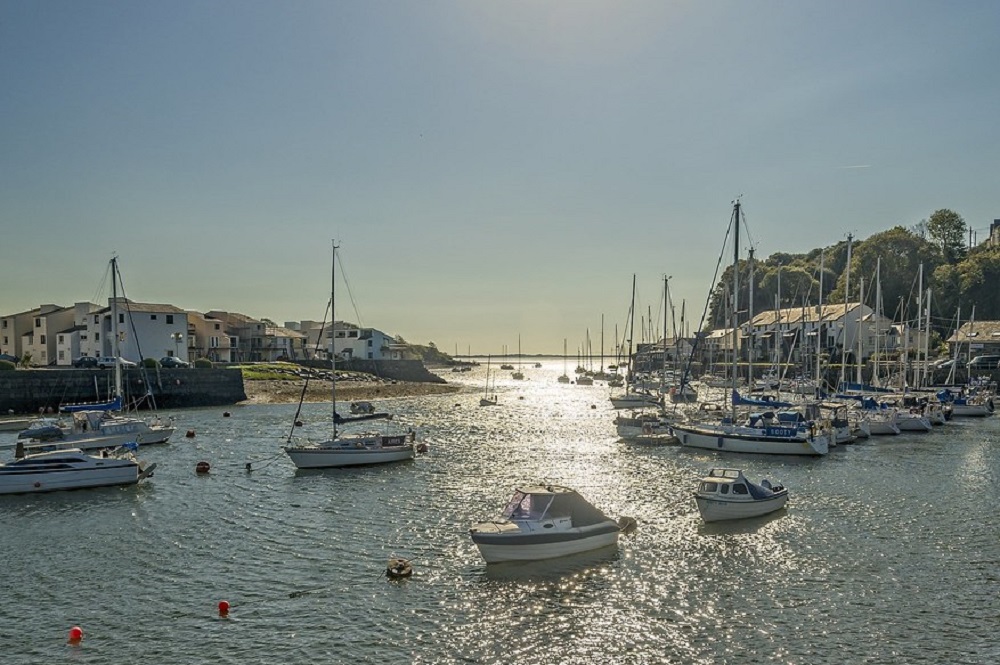
The railways that run from the town, the Ffestiniog and Welsh Highland railways, were built during this period and still carry passengers through the picturesque landscape to this day. In particular, the Welsh Highland railway runs through Eryri to Caernarfon, making for beautiful day trips.
Nearer to Porthmadog, Blackrock Sands beach provides a quiet spot for summer relaxation, while the town itself hosts a variety of independent shops and art galleries.
Blaenavon
Inscribed a UNESCO World Heritage Site, the Blaenavon Industrial Landscape covers over 3000 hectares and includes 24 scheduled monuments and 82 listed buildings. Among them, the ironworks and Bit Pit mine still draw visitors wanting to learn about the history of south Wales’ industry.
As WorldAtlas mentions, ” The novelist Alexander Cordell set several of his historical novels in this landscape, drawn to the contrast between the scale of the industry and the smallness of the lives it contained.”

Blaenavon itself has submitted to become the UK’s next Town of Culture, with a host of specialist shops, restaurants, the Steam Gala which celebrates the railways and locomotives that served the coal and iron industries, and the surrounding valleys which remain popular among walkers and wild swimmers.
Llangollen
Nestled in an Area of Outstanding Natural Beauty, it’s no surprise that Llangollen is renowned for its picturesque surroundings. Notable sites include the Pontcysyllte Aqueduct, the highest navigable aqueduct in the world, the ruins of Castell Dinas Brân, built by the Welsh prince Gruffydd Maelor II, and the Gothic Plas Newydd cottages and gardens, once home to the Ladies of Llangollen.
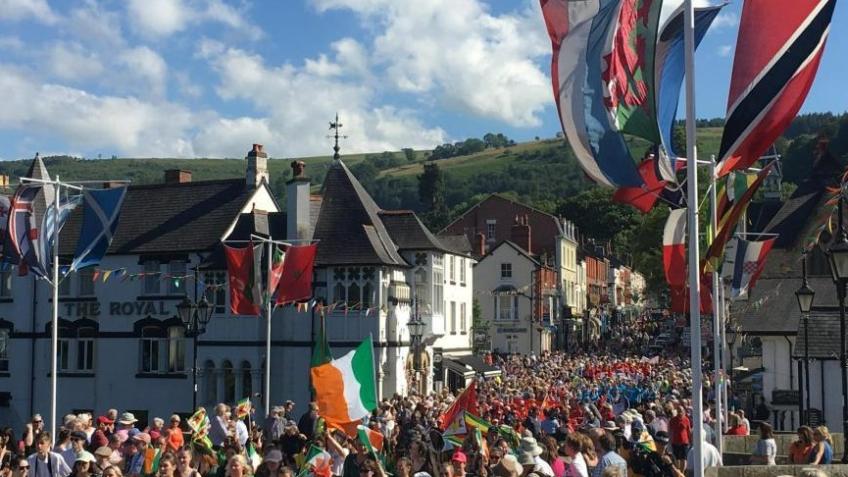
Llangollen is also home to the International Eisteddfod, first held in 1947 as a gesture of reconciliation following World War II. In the summertime, performers from over 50 countries transform the town into a haven of global culture.
Tregaron
An ancient market town, Tregaron in Ceredigion has held a royal charter since 1292. The town served as a gathering point for drovers before they moved their cattle and sheep on to English markets.
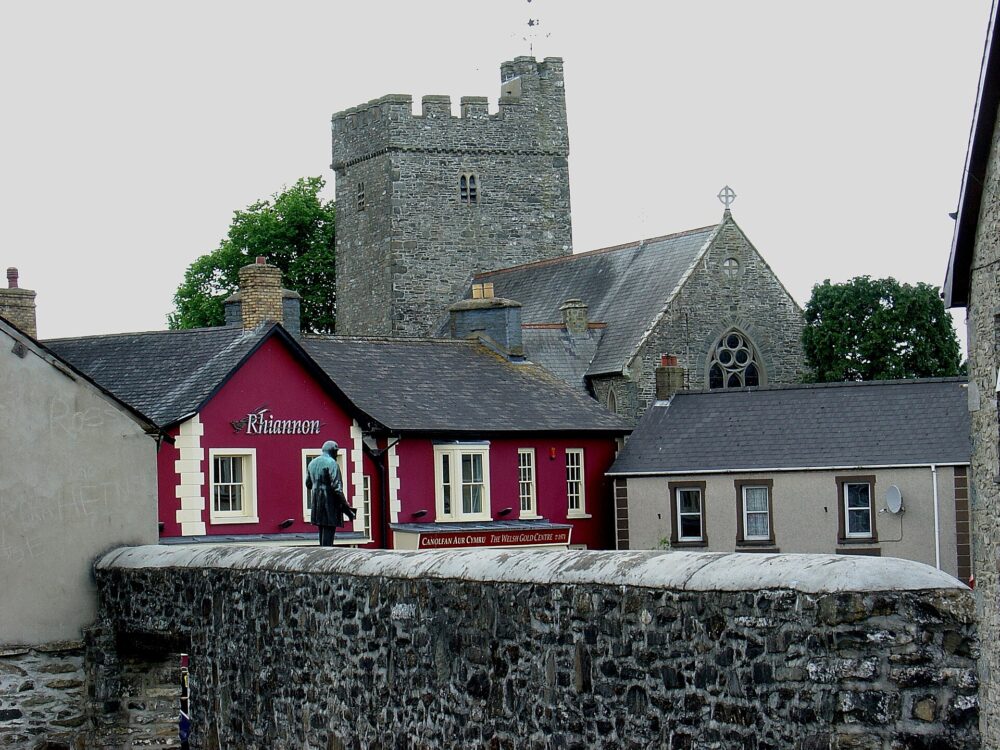
A notable individual from Tregaron and favourite legend among the drovers was ‘the Welsh Robin Hood’, Twm Siôn Cati, who is said to have robbed the rich on nearby roads and even become the Mayor of Brecon. He is commemorated with a statue in the town square.
Near Tregaron, the Cors Caron National Nature Reserve contains one of the most intact raised bog landscapes in the UK, with boardwalks crossing almost 350 hectares of wetland. The peat bogs make the perfect place to see otters, polecats, red kites, peregrine falcons, and hen harriers.
Also worth a visit are the ruins of Strata Florida Abbey, a Cistercian monastery established in 1184, which went on to become one of medieval Wales’ cultural centres. It its grounds lie the graves of the princes of the House of Dinefwr, as well as the rumoured burial site of poet Dafydd ap Gwilym.
Criccieth
Finally, the seaside town of Criccieth on the Llŷn Peninsula is home to the ruins of a castle built by Llywelyn the Great and burned down by Owain Glyndŵr’s forces in 1404. Despite these medieval connections, the town is most famous for its association with Prime Minister David Lloyd George.
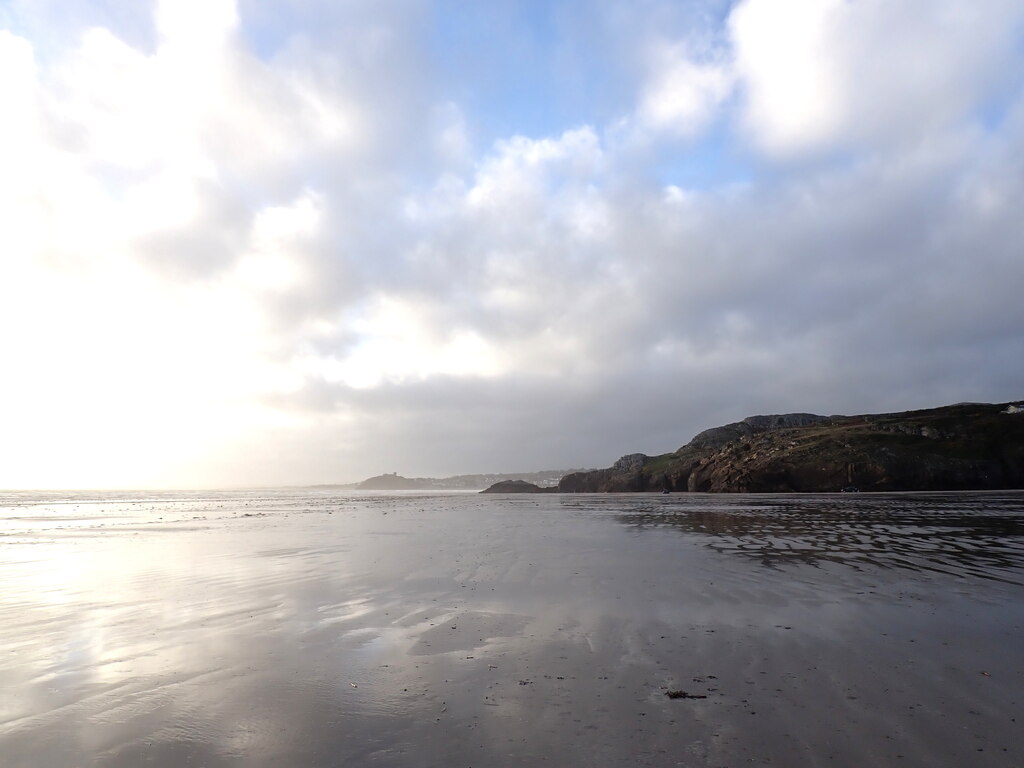
Lloyd George grew up in the nearby village of Llanystumdwy, where there is a museum sharing the history of his childhood and political career. His grave is in the village on the bank of the Afon Dwyfor.
Criccieth is home to several art galleries, restaurants and beaches, but as WorldAtlas say: “It has the feel of a place that exists for its own residents rather than for visitors, which is precisely what makes it worth the stop.”
The full WorldAtlas guide to ‘9 Offbeat Towns To Visit In Wales’ is available to read in full here.
Support our Nation today
For the price of a cup of coffee a month you can help us create an independent, not-for-profit, national news service for the people of Wales, by the people of Wales.
Get more trusted Welsh news
Choose Nation.Cymru as a preferred source in Google News to see more of our journalism.



April 15th and a mention of Harold Lowe of Barmouth and his part in the rescue of passengers from the Titanic…ps happy birthday ZZ…
Llangollen “offbeat” and “lacking in hustle and bustle”? Not the Llangollen I know
I once was passing through Llangollen and thought I’d have a break but had to abandon the idea because I couldn’t find a single parking space. On the plus side I diverted to the excellent Valle Crucis abbey and had my break there.