


Welsh bomb disposal research finds veterans face higher cancer risk
Nation.Cymru staff
Welsh research into cancer risk among bomb disposal veterans is taking on wider significance following the launch of a major Ministry of Defence study.
The new research will examine cancer incidence and deaths among around 1.4 million serving personnel and veterans.
The work at the University of Wales Trinity Saint David (UWTSD) has investigated cancer risk among former British Army ammunition technicians and bomb disposal personnel.
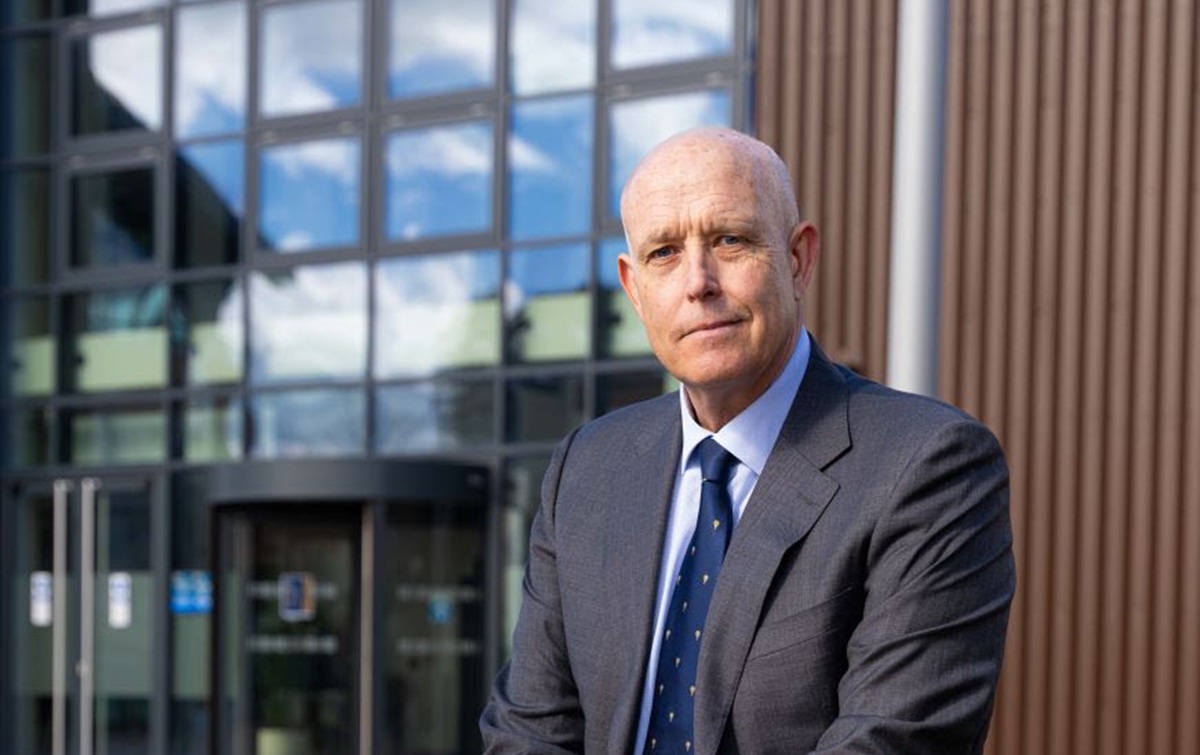
It began after Dr Gareth Collett CBE, a retired Army Brigadier and former Head of UK Bomb Disposal, was diagnosed with bladder cancer in November 2023.
After telling serving and former ammunition technicians about his diagnosis, Dr Collett became aware of a number of similar cases.
This led to a research collaboration involving UWTSD, the University of Birmingham, King’s College London, the University of Glasgow and Swansea Bay University Health Board.
The first peer-reviewed study, published in BJU International, found an unexpectedly high occurrence of bladder cancer among veteran ammunition technicians, particularly those aged between 50 and 69.
Among those aged under 70, researchers calculated that the incidence of bladder cancer was around five times that of the UK general population.
Researchers also found a statistical association between bladder cancer and reported exposure to nitro explosives during disposal work.
The study did not establish that exposure caused the disease, but researchers said the findings warranted further investigation.
TNT
Particular attention has focused on substances including TNT and related compounds, as well as impurities, degradation products and residues produced during the storage, handling, burning and disposal of munitions.
Bomb disposal and ammunition personnel can encounter such substances repeatedly during their careers through inhalation, ingestion or skin contact.
Dr Collett said: “This research isn’t about blame. It is about awareness, prevention and protecting people.
“Our findings identify a signal, not definitive answers.”
The MOD has now announced its Epidemiology of Cancer in the UK Armed Forces Study, which will examine cancer diagnoses and deaths among approximately 1.4 million serving personnel and veterans who have served since 1990.
The research will compare cancer incidence and mortality with the wider UK population and examine whether particular groups within the Armed Forces face increased risks.
From 2027, the MOD intends to publish annual cancer incidence and mortality data, with later phases examining military characteristics, occupational groups and potential service-related exposures.
Dr Collett has been appointed Independent Advocate for the study, acting as a point of contact for serving personnel and veterans and helping to ensure their concerns are represented.
He said it was important not to treat the Armed Forces as a single population when examining cancer risk.
“Different trades and professions experience very different occupational environments, and meaningful conclusions will depend on examining those groups in sufficient detail,” he said.
‘Remarkable’
Dr Collett recently presented UWTSD’s explosive ordnance health research programme at the International Association of Bomb Technicians and Investigators conference in Portugal.
He added: “The fact that our initial investigation started with a conversation in a room at the University’s Swansea Waterfront campus and we are now looking at a national study involving around 1.4 million members of the Armed Forces community is quite remarkable.
“If the evidence shows that particular occupational groups face an increased risk, we can improve prevention, surveillance and potentially screening. If it shows they do not, that is equally valuable. What matters is that we obtain robust evidence.”
Support our Nation today
For the price of a cup of coffee a month you can help us create an independent, not-for-profit, national news service for the people of Wales, by the people of Wales.
Get more trusted Welsh news
Choose Nation.Cymru as a preferred source in Google News to see more of our journalism.


