


Welsh cattle movement restrictions enhance TB control
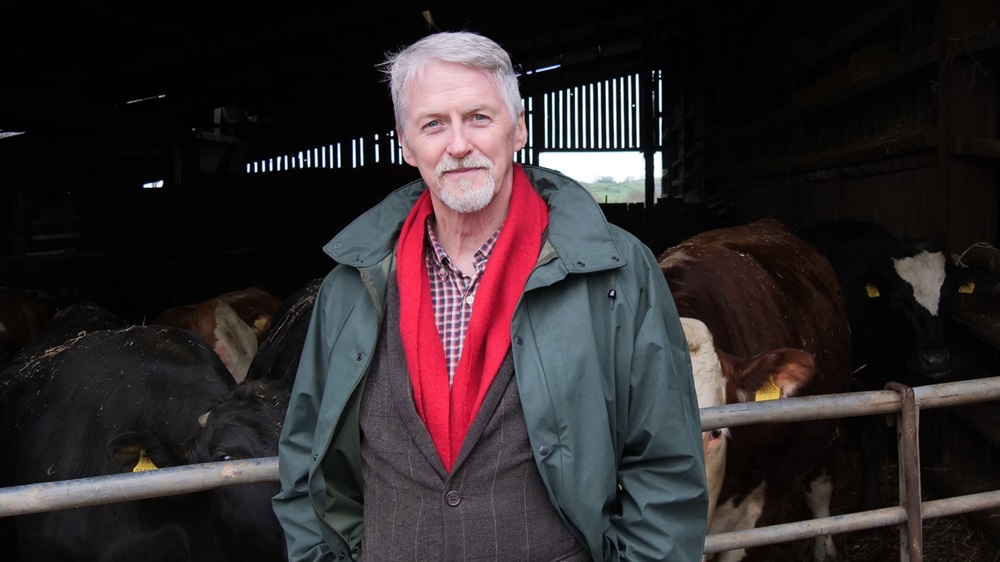
Welsh farming families will benefit from stronger TB controls as cattle with previous inconclusive test results will have lifetime movement restrictions from January 2026.
Following a request from industry and subsequent independent expert advice it has been previously announced that there will be a change in Inconclusive Reactor (IR) policies.
All standard interpretation Inconclusive Reactor (IR) cattle in Wales that test negative at the re-test from 1st January 2026 onwards will remain restricted to their holding for life. Scientific evidence demonstrates these animals are 3 times more likely to become TB reactors than clear-tested cattle.
Licensed routes
The normal testing window for the retesting of IRs is between 60 and 90 days. It is therefore possible that IR cattle already disclosed from 1 November will be captured in the change if they are not retested until after 1 January 2026.
These animals can then only move directly to slaughterhouses or Approved Finishing Units via licensed routes, including approved slaughter gatherings or TB dedicated sales.
Deputy First Minister with responsibility for Climate Change and Rural Affairs, Huw Irranca-Davies, said: “Industry asked, and we have listened. Evidence shows these resolved standard IR cattle are higher risk because a larger proportion go on to become TB reactors.
“Currently this risks cattle with undetected infection being moved and spreading TB to other herds.
“Our partnership approach with the Technical Advisory Group (TAG) and Programme Board is delivering real changes that help both tackle the disease and support farmers through difficult times.”
Undetected infection
The change addresses key industry concerns about infection spread between herds. Under previous arrangements, resolved standard IRs could move freely after negative re-tests, potentially transferring undetected infection to clean herds.
A strong partnership approach is also strengthening TB control in Pembrokeshire where vets and farmers are being empowered through data provision and education to help control TB on their farms.
The change has been welcomed by Michael Williams of Fagwrfran Farm in Pembrokeshire, he said: “Based on our participation in the Pembrokeshire Project our understanding and knowledge around TB and high-risk animals has been greatly improved.
“We understand the increased risks posed by inconclusive reactors and the potential for these to be infected and to be reservoirs of infection. We welcome the decision to restrict the movement of these IR animals and hope this helps prevent movement of residual disease from farm to farm.”
Building on the principles and best practice established in Pembrokeshire, a complementary initiative is now taking place in the lower TB incidence area of North Wales. Paul Williams, from Cae Haidd, in Conwy, said: “Building on the excellent work of our friends down in Pembrokeshire, our aim here in North Wales is to keep as much of our area free of TB as possible.
“Thinking outside the box and using innovative techniques and data, whilst working closely with our own local vets will be key to hopefully strengthening our key goal. The imminent changes to movement restrictions on what are high-risk cattle is a sensible way forward, and will reduce the risk of introducing this devastating disease onto our farms.”
‘Practical’
Responding to the statement, Farmers’ Union of Wales Deputy President, Dai Miles said: “Bovine TB continues to have a profound economic and emotional impact on Welsh farmers and their businesses.
“This policy change must be acknowledged as a practical, evidence-led step to help protect herds from the risk of unintentionally bringing in infected animals.
“That said, it does raise valid concerns about the level of assurance provided by a negative TB test result. There may also be understandable frustration within the farming community at what feels like yet another layer of restriction being placed on already heavily regulated cattle movements.”
The FUW continues to call for further progression in a scientifically supported policies and adoption of an holistic approach to Bovine TB Eradication in Wales, as outlined in its 2026 Senedd election manifesto.
Support our Nation today
For the price of a cup of coffee a month you can help us create an independent, not-for-profit, national news service for the people of Wales, by the people of Wales.


