


Welsh charity shares update on how bees are helping protect Africa’s forests
Nation.Cymru Staff
A Welsh charity is launching a series of 50 free training films showing how beekeeping can help communities across Africa earn a living while protecting threatened forests.
Monmouth-based Bees for Development is creating the videos across four African countries as part of its Nature-based Beekeeping project, funded by the UK Government through the Darwin Initiative.
Founded in Monmouthshire in 1993, the charity works with communities in Africa, Asia, and South America to promote sustainable beekeeping and provide communities with an alternative source of income, protecting both landscapes and livelihoods.
Today, the charity runs projects in Ethiopia, Ghana, Uganda, Peru, Malawi and Zimbabwe, from its Monmouthshire base, which vary based on the local communities.
The new project aims to help beekeeping initiatives succeed by providing the knowledge and skills needed to understand the relationship between bees, people and the wider landscape.
The training videos will be freely available for conservation practitioners and beekeepers, offering practical guidance on building beekeeping projects that generate income and protect biodiversity.

Among those helping to put the approach into practice is Ugandan journalist Steven Muwanguzi, Communications and Knowledge Management Officer at the Uganda National Apiculture Development Organisation (TUNADO).
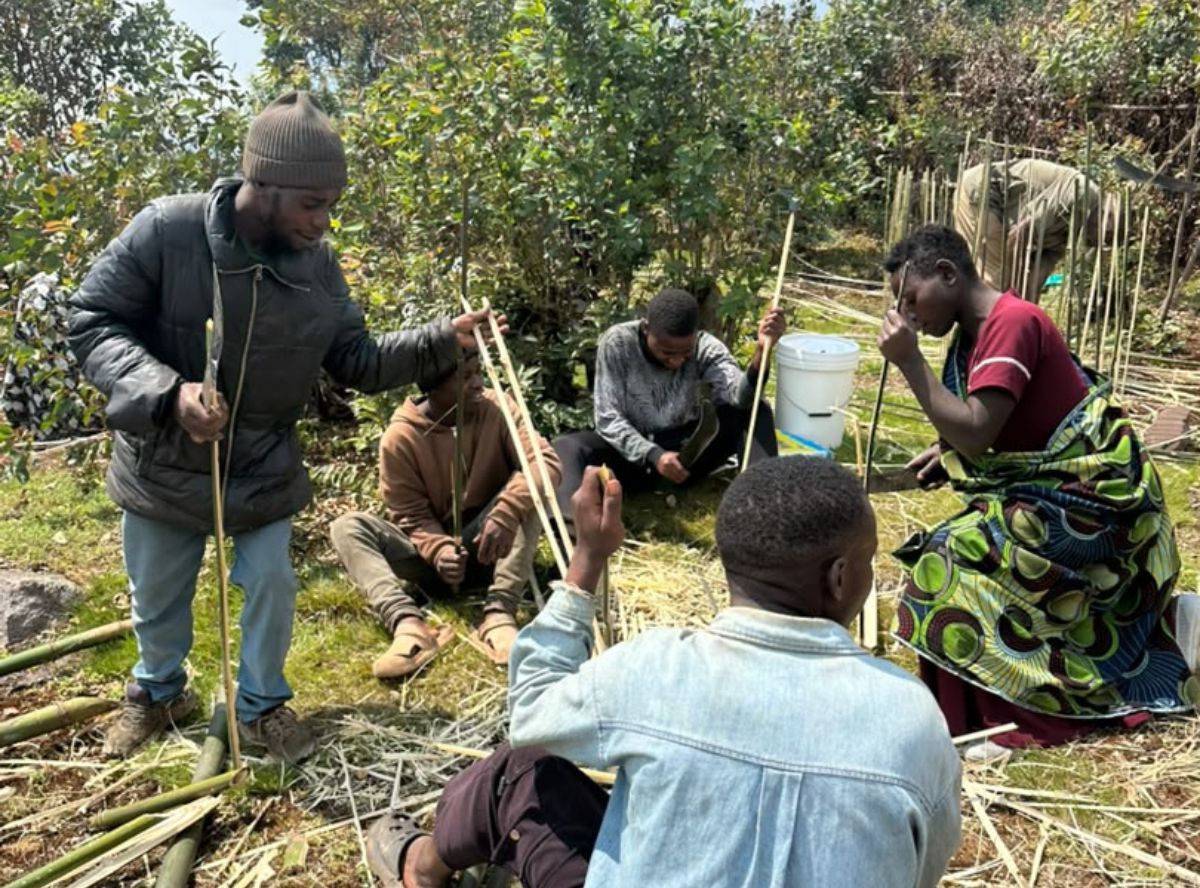
Through storytelling and local-language How To videos supported by the charity, Steven is sharing knowledge including making hives, as well as harvesting and processing honey.
In Ghana, the Bees for Development Programmes Director, Isaac Mbroh, will also be participating in the video series, and hopes to help communities and organisations across the continent create stronger livelihoods, healthier bee populations and better-protected forests.
Nature-based beekeeping is currently practiced in over 100 countries worldwide, and Bees for Development works with specialist beekeeping organisations within those countries.
The charity explained: “In Ethiopia we are training farmers to better understand the importance of pollination and reduce their pesticide use, moving to more sustainable methods of pest management in their crops.
“Our work in Ghana is largely based around the protection of the forests in the Afram Plains. Through the development of a beekeeping industry in the area we are helping to turn charcoal burners into beekeepers who can protect their forest resources from fires and logging.
“We are also developing skills and knowledge in environmental protection and beekeeping through our Buzz Club programme which focuses on primary school children.
“Uganda is focused on supporting those who have previously been excluded, with specific projects focused on supporting women and people with disabilities to become beekeepers. We have also been working with the Batwa people who keep stingless bees and produce stingless bee honey.
“While in Malawi we are helping to establish a national association for beekeepers and traders to have a place to raise their concerns and seek help on a national scale.
“Finally our work in Zimbabwe is focused on helping women beekeepers who are protecting and restoring areas of Miombo woodland.”
The charity also works closer to home from their office on St Mary’s Street, Monmouth, including the annual Monmouth Bee Festival, educational bee clubs for young people and appearances at events.
They also provide support for the Monmouth Seed Swap and ACE climate festival, with plans to expand their bee clubs into more local schools.
For more information and to donate, visit the charity’s site here.
Support our Nation today
For the price of a cup of coffee a month you can help us create an independent, not-for-profit, national news service for the people of Wales, by the people of Wales.
Get more trusted Welsh news
Choose Nation.Cymru as a preferred source in Google News to see more of our journalism.


