


Welsh Government urged to take stronger evidence-led approach to proposed greyhound racing ban
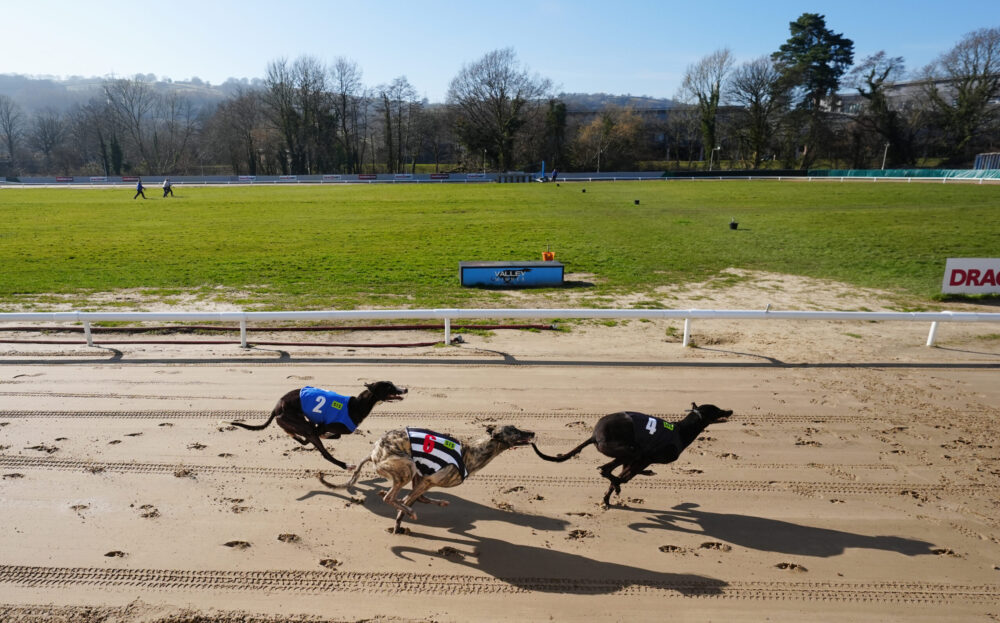
The Senedd’s Culture Committee has warned that the Welsh Government has not gathered sufficient evidence to justify its proposed ban on greyhound racing.
Members of the committee called for a more rigorous and transparent approach before the Greyhound Racing Prohibition (Wales) Bill progresses further.
In a Stage 1 report published today, the Culture, Communications, Welsh Language, Sport and International Relations Committee says animal welfare “must be the main priority” in any decision over the future of the sport. But it also concludes that ministers brought forward the legislation too quickly, leaving key questions unanswered and scrutiny hampered by incomplete and often highly contested information.
The Bill, introduced earlier this year, would outlaw greyhound racing in Wales on animal welfare grounds.
While the committee heard extensive evidence about injuries, deaths and welfare concerns throughout a greyhound’s life cycle, members said the government had not taken enough time to gather robust data or consult widely with those affected.
Committee chair Delyth Jewell MS said the rushed process had made proper scrutiny difficult.
“We all agree that animal welfare must be the main priority in any decision regarding greyhound racing, but the lack of clear evidence has made the scrutiny of the Bill more difficult,” she said.
“We were asked to scrutinise a Bill with incomplete and controversial evidence, and within a shorter timeframe. That is not the way to make good law. The Welsh Government should have taken more time to gather solid data and consult widely.”
Warnings
During its inquiry, the committee heard warnings about persistent risks to dogs on the track, inconsistent injury monitoring, concerns about breeding practices, kennel conditions and limited capacity for rehoming retired greyhounds.
Witnesses said the true scale of injuries and deaths remained difficult to assess due to gaps in record-keeping and reporting.
However, members also acknowledged that a ban could have significant consequences for people employed in or economically linked to the sport, and said these impacts had not been fully evaluated.
Ms Jewell added: “The welfare of greyhounds must remain paramount. We heard serious concerns about injuries, deaths and systemic welfare issues that regulation could never fully resolve.
At the same time, we must recognise the potential impact on those whose livelihoods depend on the sport, and this has yet to be fully assessed.”
The committee has not recommended a definitive position on whether the Senedd should back the principles of the Bill, reflecting the complexity and contested nature of the evidence. Instead, it has set out a series of expectations for ministers should the legislation continue.
Economic and social impact assessment
These include conducting a full economic and social impact assessment before any ban comes into force, ensuring statutory enforcement guidance is in place for local authorities, and monitoring potential unintended consequences such as cross-border racing or pressures on rehoming centres.
Members also called on the government to be clearer about when it bases legislation on moral arguments, and to apply that reasoning consistently across comparable policy areas.
The report will inform MSs ahead of the upcoming Stage 1 vote, which determines whether the Bill proceeds to detailed amendment at Stage 2.
“Inherently dangerous”
A spokesperson from the Cut the Chase Coalition, comprising Blue Cross, Dogs Trust, Greyhound Rescue Wales, Hope Rescue and the RSPCA, said: “Greyhound racing is inherently dangerous for the dogs involved.
“Across the UK, the industry’s own data shows that thousands of greyhounds have been injured in recent years as a result of racing, with hundreds having lost their lives. Such risks to dog welfare are not defendable in the interests of sport or entertainment.
“Our position remains steadfast that ending greyhound racing in Wales is the only way of protecting dogs from unnecessary injury; and is in line with public opinion – with tens of thousands of people having signed a petition urging the Welsh Government to take this action.
“We welcome the Culture, Communications, Welsh Language, Sport, and International Relations Committee’s report, including their clear support for safeguarding greyhound welfare, their conclusion that a ban is unlikely to drive continued racing activity underground in Wales, and that the proposed offences in the Bill will be effective. The committee has also recognised the ‘strong arguments’ in favour of animal welfare during the policy process so far, and we are highly encouraged that a number of Committee Members believe a ban is necessary after hearing the evidence.
“We now look forward to continuing to work with Senedd Members as this legislation progresses through the Welsh Parliament, so that Wales joins the growing list of nations worldwide where greyhound racing has been consigned to where it belongs – the history books.”
Support our Nation today
For the price of a cup of coffee a month you can help us create an independent, not-for-profit, national news service for the people of Wales, by the people of Wales.



This was sheer grandstanding and ill thought
There are a number of greyhound racing kennels in Wales where over 90% of their inmates travel daily to race in England
Wolverhampton, .Oxford and Swindon .
There is only 1 small track in Wales at Hengoed
All they are doing is condemning greyhounds to spend longer in the back of vans
Won’t somebody please think of the people making money from abusing animals