


Welsh heritage project uncovers new links to Spanish Civil War
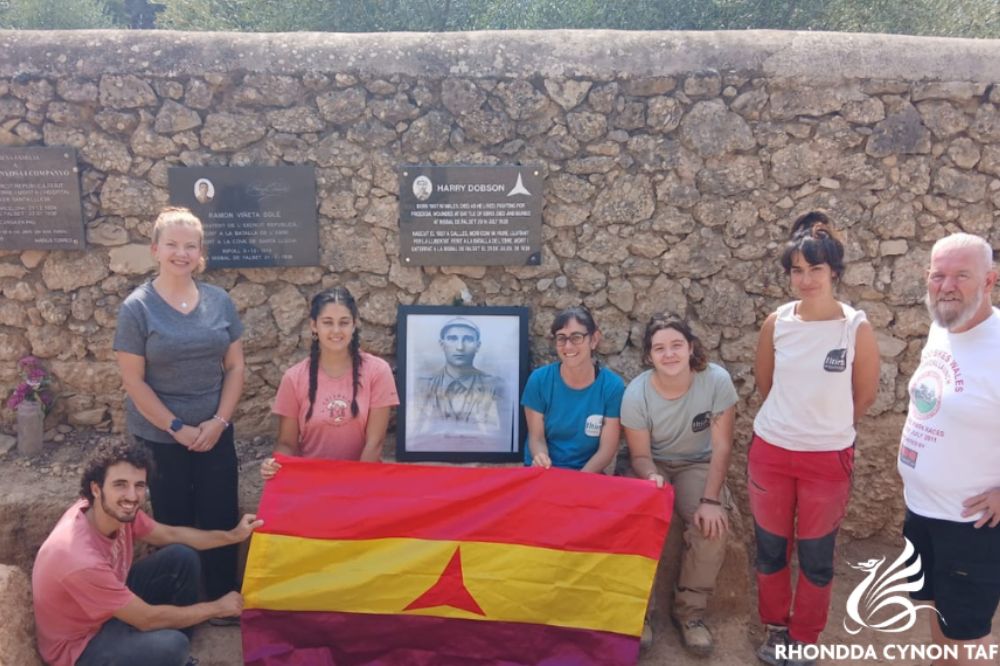
An international heritage project is underway, connecting Wales to the legacy of the Spanish Civil War through newly uncovered historical links.
On September 16, 2025, a heritage officer from Rhondda Cynon Taf Council with a professional background in archaeology travelled to Spain to take part in a collaborative research initiative.
Alongside Porta de la Historia Co-operative, a historical association based in Spain, the collaboration uncovered compelling link from the Spanish Civil War as part of an excavation project.
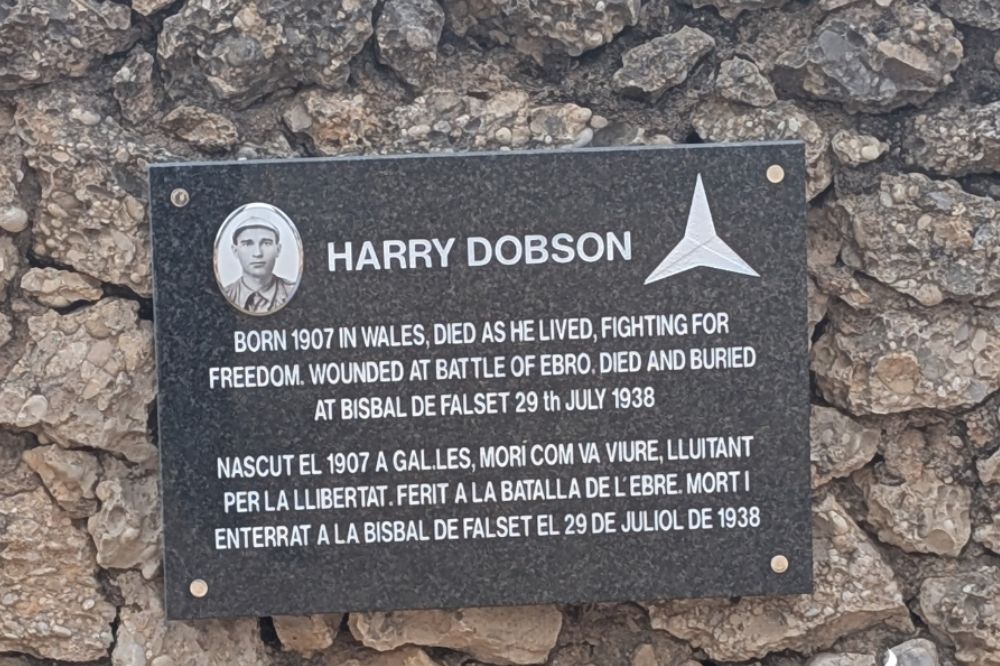
The visit retraced the final steps of Harry Dobson, a Tonypandy-born miner who died fighting fascism in Spain in 1938.
The teams viewed the site where Dobson was wounded, the hospital in La Bisbal de Falset (known today as La Bisbal de Montsant) where he was treated, and his current resting place.
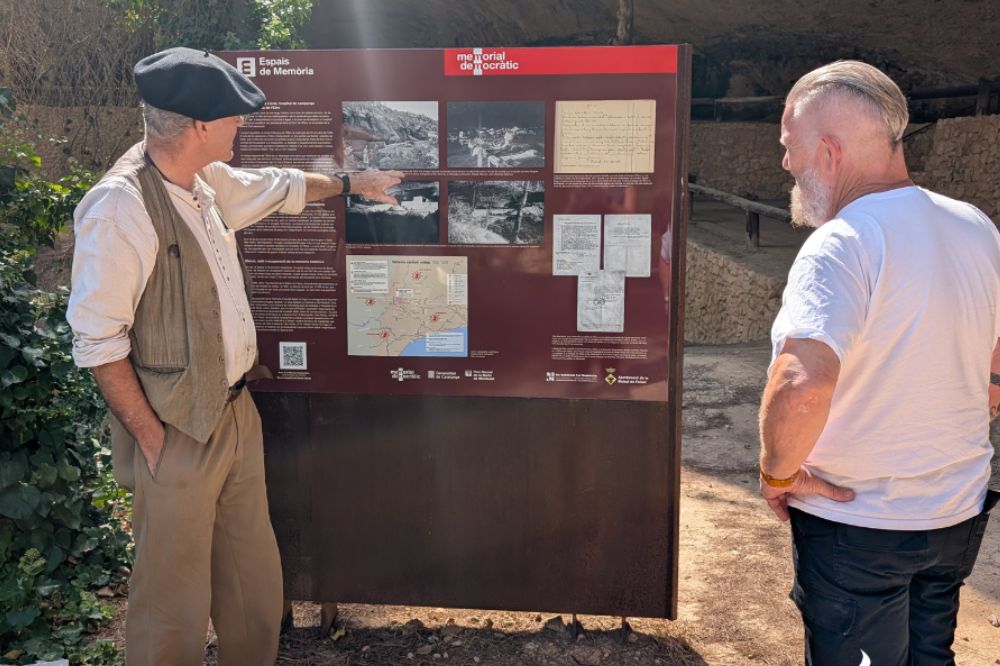
In the same spirit as laying wreaths locally, this act of remembrance aimed to honour Dobson’s sacrifice as well as the shared history between Wales, and Rhondda Cynon Taf in particular, and Spain.
Harry Dobson, born on August 9, 1907, was one of around 200 Welsh volunteers who joined the International Brigades to defend the democratically elected Spanish Republic.
He arrived in Spain in June 1937 and was fatally wounded at Hill 481 near Gandesa. He died from his injuries on August 3, 1938, aged just 30.
His name is commemorated on the Spanish Civil War memorial plaque at Rhondda Heritage Park, alongside fellow volunteer Huw Alun Menai Williams.
The memorial was recently digitised and commemorates the 31 people from the Rhondda who fought in the international brigade in defence of democracy. Seven of these died whilst serving in Spain, only 24 returning home.
Huw Alun Menai Williams, born on February 20, 1913, in Pontypridd, served as a nurse and first-aider with several battalions, including the Thaelmann and Washington Battalions.
He personally witnessed Dobson’s death – a moment that stayed with him for the rest of his life. Williams survived the war and passed away in Cardiff on July 2, 2006, aged 93. His testimony helped preserve the story of Dobson’s sacrifice and the broader Welsh contribution to the war.
These personal stories form part of a wider archive held by RCT Council, documenting the contributions of Welsh volunteers who stood against fascism during a turbulent period in the 20th century.
While full details of the excavation in Spain are yet to be released, the Council reaffirmed their pride in contributing to important international research.
Councillor Maureen Webber BEM, Deputy Leader of Rhondda Cynon Taf Council and Armed Forces Champion, said: “This project serves as a poignant reminder that the fight for democracy and freedom has always transcended borders, and that our communities in Rhondda Cynon Taf played a courageous role in that global story.
“I am incredibly proud of our Heritage Service for honouring the memory of Harry Dobson and others like him, and for helping to uncover and preserve these vital historical connections.
“As Armed Forces Champion, I know how important it is to remember those who served – not just in our own conflicts, but in struggles for justice and peace. This collaboration is a testament to the enduring power of remembrance and solidarity, and I look forward to seeing the full story unfold.”
Further updates will be shared as the project progresses. To find out more about Rhondda Cynon Taf heritage exhibitions and collections, visit their site here.
Support our Nation today
For the price of a cup of coffee a month you can help us create an independent, not-for-profit, national news service for the people of Wales, by the people of Wales.


