

Welsh hospital forced to open dedicated service for drug users due to high use rates
Twm Owen, Local democracy reporter
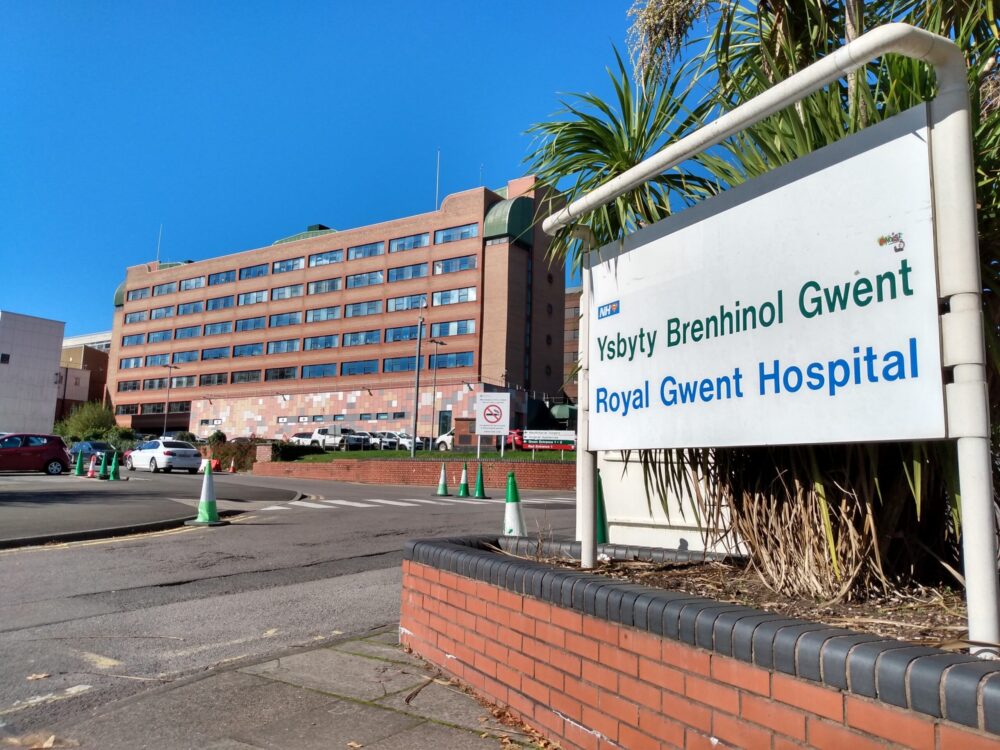
A dedicated service for drug users needing new bladders has had to be put in place at a Welsh hospital.
The popularity of class B drug ketamine, an anaesthetic that is often snorted and can cause serious bladder problems, has driven the need for the service at Newport’s Royal Gwent Hospital.
Maria Evans, from Gwent’s Aneurin Bevan University Health Board, told a council meeting: “In the last six months we’ve had to set up a ketamine pathway unit inside the urology unit at the Royal Gwent due to the number of people needing new bladders as a result of ketamine use.”
Urology is specialist surgery that includes the kidney and bladders. Use of ketamine can cause infections in both as well as abdominal pain and cramps, consistent need to urinate and blood-stained urine.
Councillors were briefed on drug-related deaths in Gwent with one calling for a hard-hitting promotional campaign to warn against the use of ketamine, while the detective responsible for investigating drug related deaths said he believed the withdrawal of police liaison officers from schools would impact drug prevention efforts.
Ms Evans, in response to the suggestion the government should lead a drive to warn against the dangers of ketamine use, cautioned that a campaign song by the cast of BBC school drama Grange Hill at the height of the 1980s heroin epidemic had been shown not to work.
Conservative councillor Penny Jones said youngsters taking ketamine are unlikely to be aware of the consequences and called for a campaign to target them, similar to the controversial public health campaigns that sought to raise awareness of AIDS in the 1980s.
The Raglan councillor said: “Some of this is really shocking, but I didn’t know any of that. When we had AIDS we had the shock posters and it really brought people to their senses. We have to try something as young people taking ketamine, how many know they will need a new bladder or have urology problems?”
Cllr Jones said the Welsh or UK governments should lead a campaign either on social media or using television advertising.
Ms Evans, who is part of the Gwent Substance Misuse Area Planning Board which includes the health board, the area’s five local authorities, police and probation, Public Health Wales and service user representatives, said “a lot” of work on raising awareness of the use of ketamine is being done.
But she said there is a “it won’t happen to me” attitude and said some will then use ketamine to relieve pain initially caused by its use.
Ms Evans warned previous high profile anti-drug messaging hadn’t worked such as the Just Say No song, by the cast of Grange Hill, which was a UK top five hit, in 1986, and released after popular character Zammo became hooked on heroin.
“We had the Zammo song and found it didn’t work,” said Ms Evans.,
In response to a question from Labour councillor for Chepstow, Armand Watts, Detective Inspector Brendan Chambers, who has oversight of drug related deaths investigations for Gwent Police, said he was concerned about the impact of dedicated school visits being withdrawn.
Gwent Police has said officers continue to visit schools despite dedicated funding having been withdrawn in 2024.
Cllr Watts had asked if there was an impact on crime prevention, and warning young people about dangers related to drugs, from the force no longer having school liaison officers.
DI Chambers said: “Without the school liaison officers in schools it would have an impact though I don’t have the data, I would undoubtedly say it’s probably had an impact.”
The detective and Ms Evans had given a presentation to Monmouthshire County Council’s public services scrutiny committee on the misuse of drugs and the area planning board’s work.
Support our Nation today
For the price of a cup of coffee a month you can help us create an independent, not-for-profit, national news service for the people of Wales, by the people of Wales.


