

Welsh language minister says that language thrives “through people and through use”
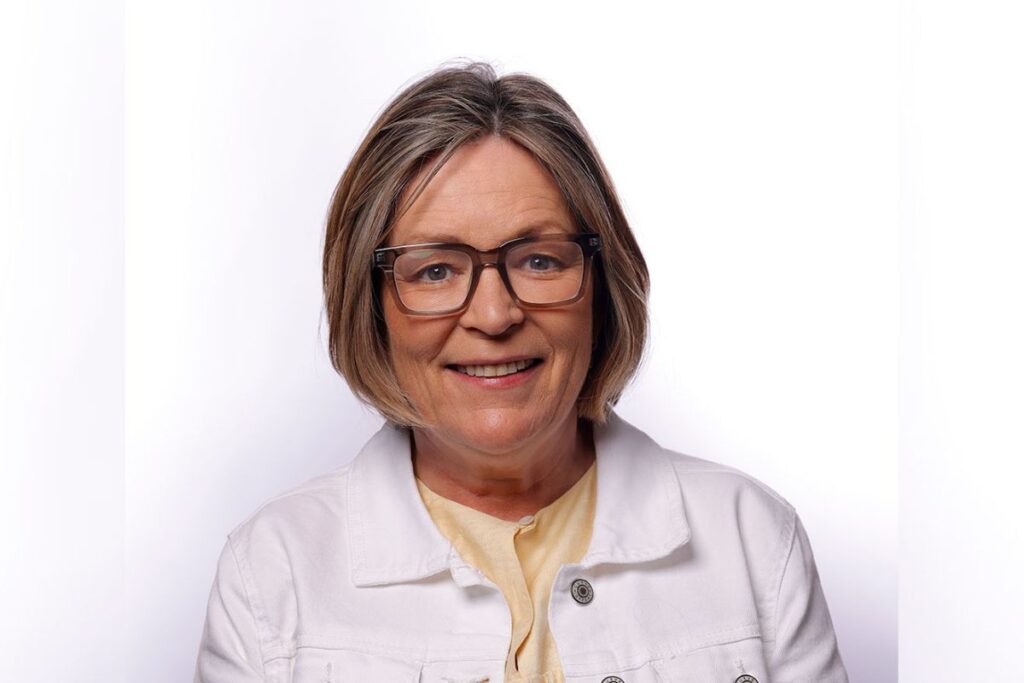
Ella Groves, ICNN Senedd Reporter
The Welsh language is “one of our biggest success stories as a small nation on the world stage”, according to the minister responsible for the language.
Education and Welsh language minister Anna Brychan told the Senedd on 7 July that “language does not live solely through policy, but through people and through use.”
Sharing how the language has influenced her life, Ms Brychan said: “My personal story is a bilingual one. My mother learned Welsh as an adult. Today, Welsh and English intertwine in my family at home in Grangetown, and several other languages can be heard around us, and that’s a good thing.”
Concluding her speech, Ms Brychan said: “This is our opportunity to ensure that our two languages drive our future – in the community, digitally, in education and in the economy, and with the Welsh language contributing to making a welcoming, confident bilingual and multilingual country for us all.”
“Beauty of bilingualism”
Reform’s deputy leader in Wales, Helen Jenner, described her parents’ decision to send her to a Welsh-medium school as one of “the most precious gifts” they could have given her.
Ms Jenner shared the story of her grandfather, Silgwyn Weston, who didn’t speak any English until he was around eight years old.
She told the Siambr how having received advice from his sister, who attended university in London, her grandfather decided the best way to provide opportunities to his children was for them to speak English at home, meaning her mother did not have the chance to speak Welsh.
She said: “There was something very special between myself and my grandfather. We were the only two members of the family who could hold a natural conversation in Welsh.
“Silgwyn Weston was a very proud Welshman and in his final years, there was one constant – his hearing was somehow always better if the conversation was about rugby or if someone spoke Welsh to him.”
Reform’s deputy leader agreed with Ms Brychan that language sits at “the heart” of Welsh culture, but criticised the government’s plan to use legislation and targets to secure the language’s future.
She said: “We can’t force people to love a language. We can’t legislate for enthusiasm. We can’t create Welsh-speaking communities through targets alone. The Welsh language flourishes when people choose to use it at home, in the workplace, in the pub, on the rugby pitch and on the street.”
Ms Jenner also welcomed the minister’s commitment to strengthening the Welsh language in digital and AI, adding that if Welsh is not available in these technologies there is a risk of it being “left behind”.
She asked how the government will measure an increase in the daily use of the language and what practical steps will be taken to help learners use Welsh once they have left school.
Responding, Ms Brychan said: “People shouldn’t have to look for opportunities to use the Welsh language.”
She noted importance of including Welsh outside of education, in areas such as “technology, workplaces, sport, culture, planning, research, and leadership in our communities”.
“Unique culture”
Also sharing his experiences with the Welsh Language, Labour’s Huw Thomas told the Siambr that he himself “couldn’t speak a word of English” until he was around 7.
Discussing the Welsh Government’s target of a million Welsh speakers by 2050, former Cardiff Council leader Mr Thomas called for further details on how the Welsh language will be pushed through childcare and the education system.
He asked Ms Brychan how many Welsh-medium childcare settings will need to be developed to reach the target of free childcare from nine-months-old and how the Welsh Government plans to ensure Welsh-speaking staff will be available to meet demand.
Ms Brychan acknowledged the challenges in terms of developing the necessary workforce, but said there’s “a plan in place” to address this.
The Labour spokesperson for the Welsh language then noted the importance of Welsh in technology and the workforce.
He urged the minister to work with trade unions to promote the Twf Charter, which was developed to promote Welsh in the workplace.
Mr Thomas also questioned what measures the government will be taking to introduce more Welsh-medium apprenticeships.
Ms Brychan revealed she has numerous upcoming meetings on technology, and said the Welsh language is at the forefront of her discussions with such companies.
She also said she’s “always” willing to speak to unions to get their views and expertise.
“Prosper and grow”
Conservative Paul Davies voiced his and his party’s support for the Welsh Government’s target of one million Welsh speakers by 2050, but questioned Ms Brychan on Welsh-medium education and socialising through the Welsh language.
Mr Davies highlighted that currently only 21% of children are in Welsh-medium schools, according to the latest schools survey.
He suggested that work could be done in terms of learner travel to help reduce barriers to Welsh language education.
The Conservative spokesperson called on Ms Brychan to reveal whether she will review the Learner Travel (Wales) Measure 2008 to see if more “can be done” to allow children access to Welsh-medium education. However, Ms Brychan did not mention learner travel in her response.
Mr Davies also spoke of the importance of socialising in Welsh in cultural settings, referring to events such as Tafwyl, which took place in Cardiff last month.
He said: “These events and many other community events are held by organisations like the mentrau iaith and others, of course, that do so much in our communities with little resource.”
Mr Davies called on the Welsh Government to consider how it can support community organisations “more effectively” in the future.
Ms Brychan replied: “In terms of socialising through the medium of Welsh, that takes me back to the point that I was making that we need to create the environment where people don’t have to look for opportunities to use the Welsh language.
“As you mentioned, the opportunities provided through the mentrau iaith are key to ensure that those opportunities are available.”
Support our Nation today
For the price of a cup of coffee a month you can help us create an independent, not-for-profit, national news service for the people of Wales, by the people of Wales.
Get more trusted Welsh news
Choose Nation.Cymru as a preferred source in Google News to see more of our journalism.




“One of our biggest success”, however Health and Education are significantly failing. Wait until they get policing too. Get your priorities in order.
For hard-core Plaid supporters, which includes the Welsh government cabinet, the Welsh language is top priority. “Cenedl heb iaith, cenedl heb galon”. Lucky Scots, who have largely marginalised their heritage language. Real-life Welsh speakers are gradually abandoning the language, even if they learn it at school. On the street in Gwynedd you hardly hear a completely Welsh sentence being spoken.