


Welsh legislation continues to fail birds of prey as illegal killing continues
Nation Cymru staff
Although all birds of prey have been protected under UK laws for over 60 years, the RSPB report, Patterns of Persecution reveals that these protected species are being illegally targeted and killed across the UK.
Between 2015 and 2024, 60 confirmed incidents were recorded in Wales, with one third of all confirmed incidents occurring in Powys. Of these, 52% were due to poisoning, and 33% involved shooting of birds.
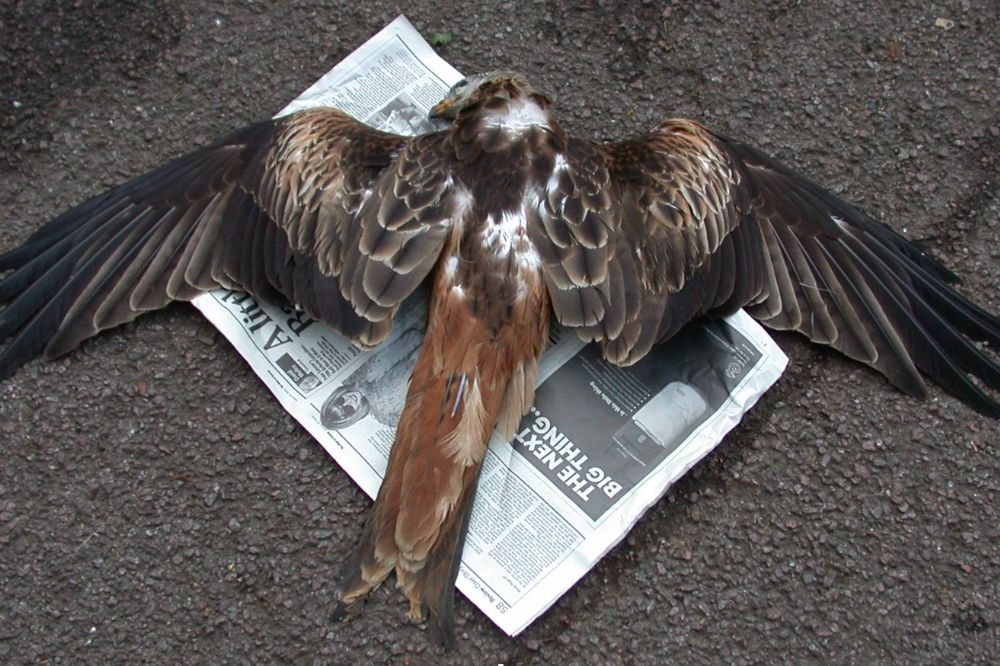
In this ten-year period eight protected bird of prey species, including many reintroduced and recovering species of conservation concern, fell victim to these crimes. In Wales, Buzzards were the hardest hit with 18 victims, followed by Red Kites (16) and Peregrines (five).
Concerningly, as these crimes take place predominantly in remote and often inaccessible areas of the countryside, not all are detected. These figures therefore represent only the tip of the iceberg.
Evidence from across the UK, including police investigations, intelligence reports, eye-witness accounts and covert footage have shown that bird of prey persecution is significantly linked to the gamebird shooting industry. In Wales, 40% of confirmed incidents (2015-2024) were linked to land managed for gamebird shooting (8% grouse shooting, and 32% pheasant and/or partridge shooting).
On some shooting estates, birds of prey are being illegally shot, trapped or poisoned, nests and eggs destroyed, and chicks killed before they fledged the nest. These often-brutal crimes are committed in an attempt to prevent any perceived risk to gamebird stocks, to maximise the number of gamebirds available to be shot.
Despite hundreds of confirmed incidents of bird of prey persecution being recorded across the UK in recent years, if there is no substantive evidence which links a person to the crime these incidents go unchallenged and unpunished.
Between 2015 and 2024, despite hundreds of incidents being recorded, only 24 individuals were convicted of bird of prey persecution-related offences across the UK, and shockingly there were none in Wales.
To provide a meaningful deterrent and effectively challenge the illegal killing of birds of prey, the RSPB is supporting the introduction of a licensing scheme for all gamebird shooting in the UK.
Under a civil burden of proof, licences could be suspended or revoked where evidence indicates bird of prey persecution has occurred on licensed land.
The system would promote best practice, penalising only those who break the law while respecting the rights of responsible estates.
Under this legislation, birds of prey would have the effective protection they desperately need.
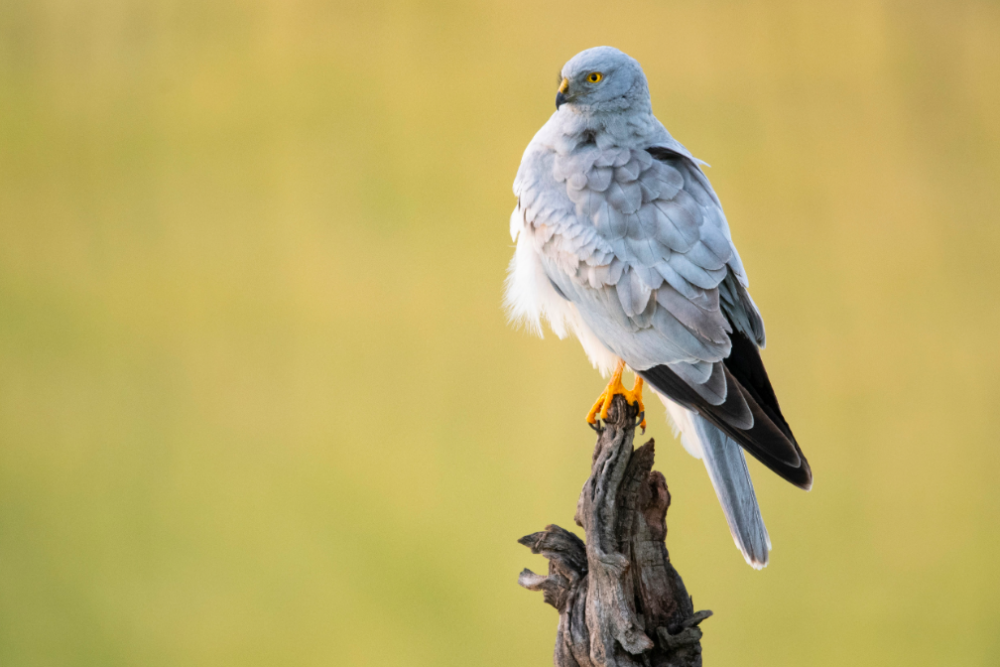
Julian Hughes, RSPB Cymru Head of Species, said: “The patterns evident in this new report will shock many people in Wales, where illegal killing of birds of prey is a stain on the recovery of iconic species such as Red Kite and Hen Harrier.
“The new Welsh Government has a powerful opportunity to signal that it will not tolerate criminals putting wildlife at risk, as we call for it to licence the release of non-native gamebirds as recommended by Natural Resources Wales.”
If you see a dead or injured bird of prey in suspicious circumstances, call the police on 101 and fill in the RSPB’s online reporting form: https://www.rspb.org.uk/birds-and-wildlife/advice/wild-bird-crime-report-form/
If you have information about anyone killing birds of prey which you wish to report anonymously, call the RSPB’s confidential Raptor Crime Hotline on 0300 999 0101.
Support our Nation today
For the price of a cup of coffee a month you can help us create an independent, not-for-profit, national news service for the people of Wales, by the people of Wales.
Get more trusted Welsh news
Choose Nation.Cymru as a preferred source in Google News to see more of our journalism.



Many over or near shooting estates should be a huge concern.