


Welsh researchers investigate daylight-biting malaria mosquitoes
Nation.Cymru staff
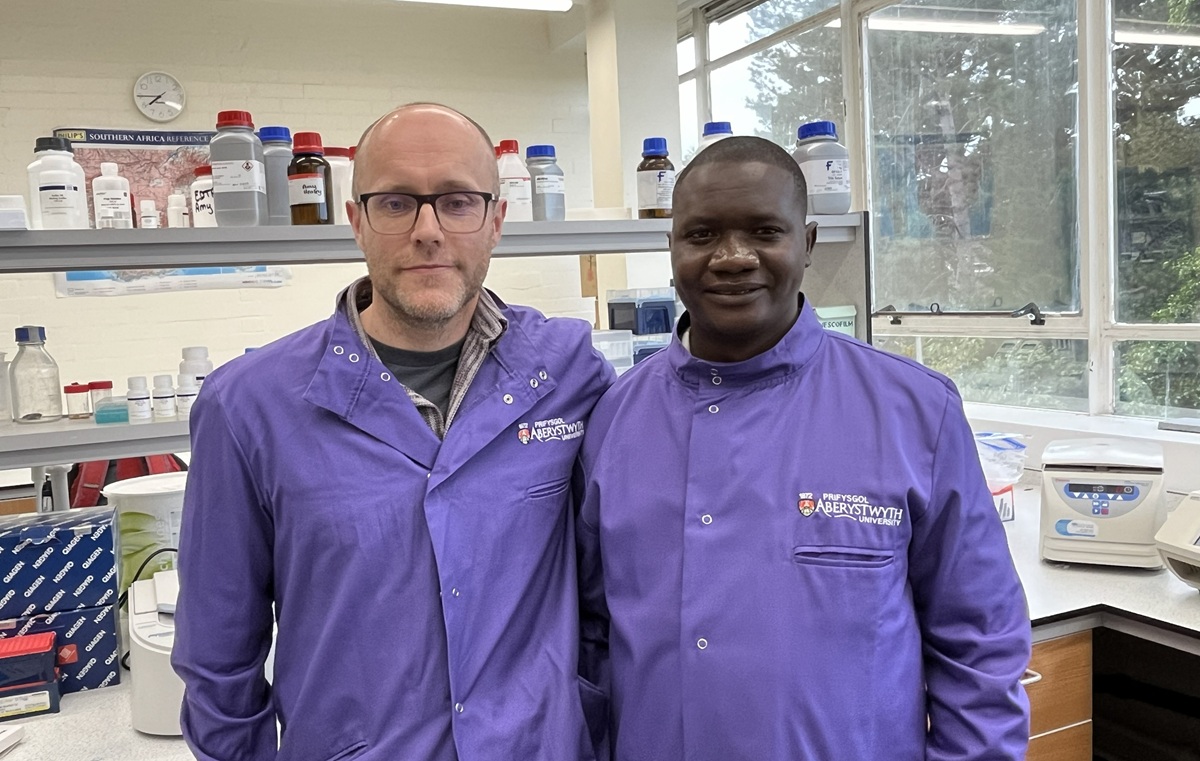
Scientists at Aberystwyth University are analysing mosquitoes from Zambia to find out why some bite after sunrise, when people are less likely to be protected by measures such as insecticide-treated bed nets.
The project follows research led by Benjamin Chanda, an entomologist at Zambia’s National Malaria Elimination Centre and a PhD candidate at the University of Zambia. His team found that Anopheles funestus, the main mosquito that transmits malaria in the region, also bites outdoors and during daylight hours. The species is usually regarded as an indoor, night-biting mosquito.
The findings could help explain why malaria remains a problem in Zambia despite widespread use of treated bed nets and indoor insecticide spraying. People can still be exposed to infectious bites in places such as school grounds and markets, where those measures offer little protection.
Researchers in Aberystwyth’s Department of Life Sciences will compare the DNA of mosquitoes collected at different times and locations. They want to establish whether the different biting patterns occur within a single population or are associated with genetically distinct groups. The findings could help Zambia target its mosquito control efforts more effectively.
Dr Niall McKeown, a senior lecturer at Aberystwyth University, said: “By examining their genetic make‑up, we hope to understand how these behavioural differences arise and how they may be influencing the spread of malaria.”
Aberystwyth researchers will train Zambian colleagues in genetic analysis and bioinformatics so they can make greater use of their existing laboratories to monitor mosquitoes and reduce the cost of surveillance.
In return, Zambian researchers will train the Aberystwyth team to collect adult mosquitoes and larvae. The university says those skills could help improve insect surveillance in Wales as climate change and global travel increase the risk of diseases spread by mosquitoes and midges in northern Europe.
Mr Chanda said the collaboration would help researchers understand how malaria continues to spread in western Zambia despite existing controls.
“Ultimately, this collaboration will strengthen entomological surveillance in Zambia and support more informed decision-making for malaria control and elimination efforts,” he said.
The project is funded by the Welsh Government’s Wales and Africa Grant Scheme, which is managed by the Wales Council for Voluntary Action. Researchers expect the findings to help inform Zambia’s national strategy for controlling the mosquitoes that spread malaria.
Support our Nation today
For the price of a cup of coffee a month you can help us create an independent, not-for-profit, national news service for the people of Wales, by the people of Wales.
Get more trusted Welsh news
Choose Nation.Cymru as a preferred source in Google News to see more of our journalism.


