


Welsh researchers lead project using wastewater to detect future pandemics
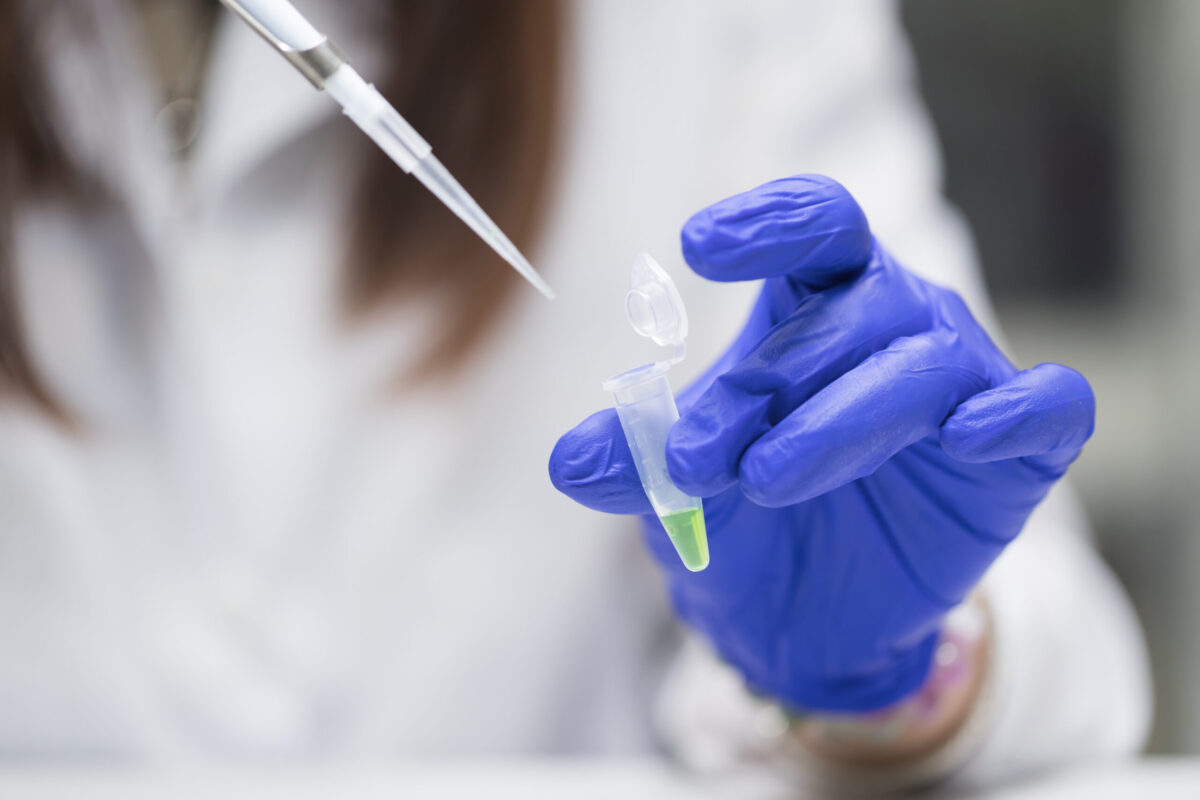
Researchers in north Wales are leading a new international initiative which aims to use wastewater as an early warning system for future pandemics and emerging global health threats.
Led by a team at Bangor University, Global Wastewater Day was launched at the World Water Week conference in Stockholm on 24 August, bringing together scientists, governments, water utilities and public health organisations from around the world.
The launch marked the beginning of an effort by Professor Davey Jones and his team to transform wastewater from an overlooked by-product into a powerful tool for understanding public health, environmental change and emerging global risks.
The project will coordinate a single, global day of wastewater sampling on 31 March 2027, with participating partners analysing at host labs (where possible), as well as shipping samples to Bangor University for centralised analysis.
The initiative aims to establish one of the first coordinated global wastewater intelligence networks which will create a simultaneous global snapshot of health and environmental conditions using wastewater-based epidemiology (WBE).
Using established and cutting-edge methods, the programme will focus on detecting antimicrobial resistance (AMR), pathogens, pharmaceuticals, chemical indicators and other markers of human health.
A defining principle of Global Wastewater Day is inclusivity, with participation from countries regardless of economic status, and a particular emphasis on supporting low- and middle-income countries through training, collaboration and capacity building.
With over 31 countries signed up to date, its long-term ambition extends far beyond a single annual sampling event.
Organisers envision the creation of a permanent global monitoring infrastructure capable of generating continuous wastewater intelligence to support public health, environmental protection and scientific discovery.
Ultimately, the vision is to create a “Planetary Health Observatory” where wastewater becomes a routine source of intelligence for understanding the interconnected health of people, animals and the environment.
By capturing comparable information from communities around the world, Global Wastewater Day seeks to establish a new global benchmark for monitoring health and environmental change in the decades ahead.
Davey Jones, Professor of Environmental Science and Public Health at Bangor University, said, “Water has always connected humanity. Everything we do in society leaves a footprint in our wastewater.
“What we want to do with Global Wastewater Day is harness the information it provides to supercharge public health research across the world, helping us detect emerging threats earlier and build a stronger early-warning system for future pandemics.
“The initiative will enable a global comparison of public health data using standardised methods, while building a long-term resource through annual repeat sampling and an open-access dataset.
“A core principle of the project is accessibility and inclusivity, with a strong emphasis on supporting participation from low- and middle-income countries.
“We want to encourage as many scientists, organisations and communities as possible to get involved, contribute data and expertise, and share the initiative with colleagues and networks who may be interested.
“By working across borders, we have an unprecedented opportunity to transform wastewater from an overlooked resource into a source of global intelligence, helping to protect populations, strengthen resilience and support better decision-making for future generations.”
One sample, many analyses
The initiative is based on the idea of ‘one sample, many analyses’, meaning a single wastewater sample can provide information on a wide range of health and environmental indicators, including pathogens, antimicrobial resistance, pharmaceuticals, illicit drugs, microplastics and water chemistry.
By collecting and analysing samples using consistent methods across different countries, researchers hope to build a comparable global picture of human and environmental health without relying on individual testing.
The programme has emerged from lessons learned during the COVID-19 pandemic, which demonstrated both the value of wastewater surveillance and the unequal capacity for monitoring around the world.
Organisers believe a coordinated global approach could provide a new layer of preparedness for future health emergencies while simultaneously delivering valuable insights into environmental change and sustainability challenges.
Organisations and researchers have been invited to register their interest in taking part in Global Wastewater Day, with sign ups getting early access to resources and information on how they can take part.
All registered contacts will be kept updated as further details, resources, and timelines are released.
The initiative is being delivered in partnership with the research organisation devoted to the study of life sciences, Verily Health, the University of Bath, the Global Consortium for Wastewater and Environmental Surveillance for Public Health (GLOWACON), the European Commission Joint Research Centre, and a growing international consortium of scientific and public health organisations.
For more information, visit the Global Wastewater Day website here, or email [email protected].
Support our Nation today
For the price of a cup of coffee a month you can help us create an independent, not-for-profit, national news service for the people of Wales, by the people of Wales.
Get more trusted Welsh news
Choose Nation.Cymru as a preferred source in Google News to see more of our journalism.


