


Welsh scientists develop high-protein food made from bread crusts and grass
Mark Mansfield
Researchers in Wales have developed a new high-protein food ingredient for human consumption using surplus bread crusts and grass and have found ways to improve its taste and aroma through fungal fermentation.
Scientists at Aberystwyth University’s Institute of Biological, Environmental and Rural Sciences (IBERS) say the research could help create more sustainable foods while reducing waste from the baking industry and making use of crops traditionally grown for livestock feed.
The team combined leftover bread crusts with protein extracted from perennial ryegrass before fermenting the mixture using fungi. The resulting material is then dried and processed into a protein-rich powder that can be added to foods such as bread and other baked products.
Researchers say one of the biggest challenges facing alternative proteins is consumer acceptance, with smell playing a major role in how people experience flavour.
Their study, published in the journal npj Science of Food, identified more than 150 aroma compounds produced during the fermentation process and showed how different fungi can create distinct flavours and scents, ranging from earthy and cheesy notes to more alcoholic aromas.
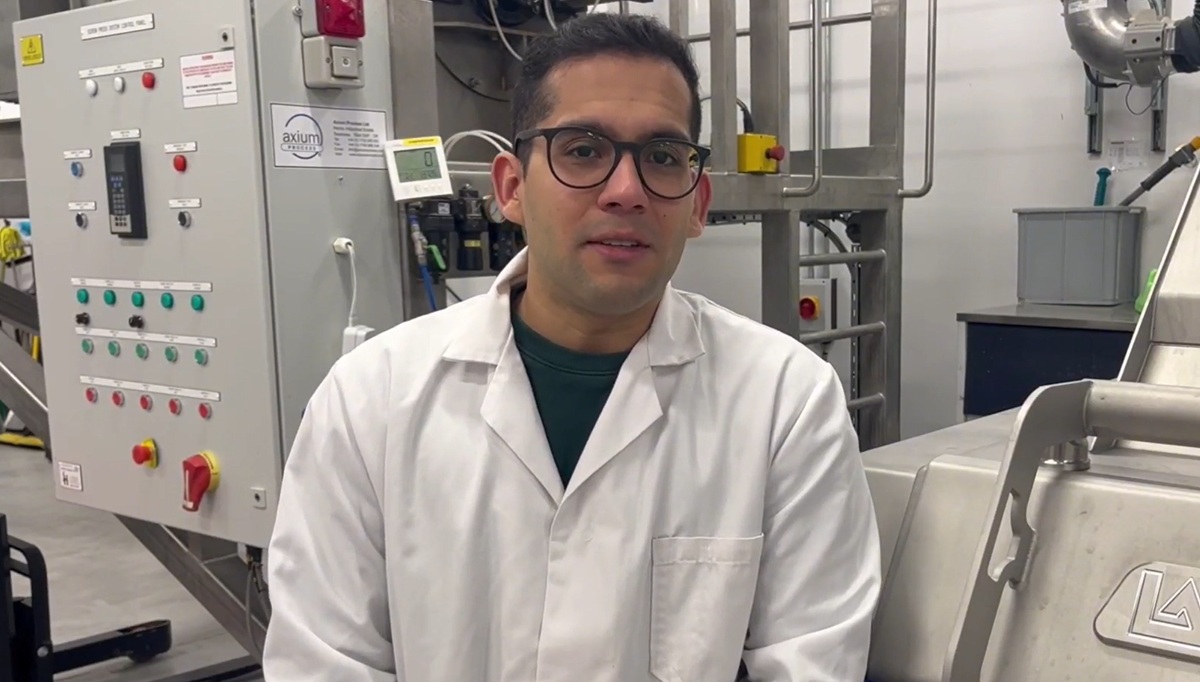
Lead author Juan Felipe Sandoval Rueda said understanding how aroma compounds develop could help transform unconventional ingredients into more appealing food products.
“Smell is essential to our enjoyment of food,” he said.
“By understanding how aroma compounds develop during fungal fermentation, we can turn unconventional ingredients into novel food products that are more sustainable and more appealing to consumers.
“We found that fermenting the bread crusts with different types of fungi produces different odours. Some can be very alcoholic, others more cheesy or earthy.”
Mr Sandoval Rueda said the protein-rich powder could be incorporated into everyday foods.
“After fermentation, the material is dried and made into a protein-rich powder which can be added to other foods such as wheat flour, for example, and used to make protein-enriched bread.”
Food security
The research forms part of a wider four-year project exploring how microbial foods could help feed a growing global population while reducing pressure on conventional agricultural systems.
Dr David Bryant, Senior Research Fellow at IBERS, said surplus bread crusts from the baking and sandwich-making industries had become a key ingredient in the project.
“IBERS scientists are part of a wider, four-year collaborative project to develop microbial foods in a sustainable way and help feed a world where the population is continually increasing,” he said.
“One of the main base ingredients we have been using are surplus bread crusts from the baking and sandwich-making industry and we ferment these with protein from perennial ryegrass, which is traditionally fed to livestock.”
Dr Bryant said the study demonstrated how fungal fermentation could be used to improve the aroma of products made from grass proteins, making them more attractive to consumers.
Professor Joe Gallagher, who co-supervised the project, said the process also leaves behind grass fibre that can still be used for animal feed.
He said previous research at IBERS had shown the remaining fibre could be easily preserved as silage and remained highly digestible for livestock after processing.
The work was carried out in collaboration with the University of Reading and funded by the Biotechnology and Biological Sciences Research Council (BBSRC) and food manufacturer Samworth Brothers.
Researchers are now continuing work at AberInnovation, Aberystwyth University’s pilot-scale biorefining facility, where they are exploring ways to improve taste and texture and scale up production for potential commercial use.
The researchers’ findings can be read in full here
Support our Nation today
For the price of a cup of coffee a month you can help us create an independent, not-for-profit, national news service for the people of Wales, by the people of Wales.
Get more trusted Welsh news
Choose Nation.Cymru as a preferred source in Google News to see more of our journalism.



Many years ago it was reported that sawdust was being used as an ingredient in baking bread. We don’t really know what we are eating!!
Well done Aber. This is one of the many reasons why we have universities. The morons in the Red Tory Party questioning why people shouldn’t pay for other people to go to university are a national disgrace.