


Welsh study aims to settle whether radiotherapy prevents common skin cancer returning
Mark Mansfield
Cancer researchers in Wales are investigating whether radiotherapy can reduce the risk of a common form of skin cancer returning after surgery.
Researchers at Velindre Cancer Centre in Cardiff and Cardiff University’s Centre for Trials Research are helping lead the UK-wide study into cutaneous squamous cell carcinoma (cSCC), the second-most common skin cancer in the UK.
Around 45,000 cases are diagnosed each year, often linked to long-term sun exposure and commonly affecting the head, face and neck of people aged over 70.
Most cases are successfully treated with surgery, but some higher-risk cancers can return.
Patients may be offered radiotherapy following surgery to destroy any remaining cancer cells, although researchers say there is currently insufficient evidence to establish whether it prevents some higher-risk cancers from returning.
The SCC-AFTER study will recruit 840 people at 25 NHS centres across the UK in an attempt to provide an answer.
Dr Richard Webster, consultant in clinical oncology at Velindre Cancer Centre, said: “Where patients’ cancers are smaller, and the risk of it coming back is very low, we know we can safely monitor them without radiotherapy. Those patients whose cancer is unfortunately deeper or more aggressive would have radiotherapy as standard.
“That leaves a group of patients in the middle, where there have not to date been any large, randomised clinical trials to try and figure out the best treatment approach.”
Radiotherapy can cause irritation or discolouration, while patients need to attend daily appointments throughout their treatment.
Dr Webster said this could be particularly challenging for older patients who may have difficulty travelling.
He added: “Some patients may go through a course of radiotherapy when the surgery has already cleared the cancer successfully.
“Other patients may decide to turn down radiotherapy in favour of regular monitoring, and we don’t currently have information on whether this increases the chances of their cancer coming back.”
Participants are randomly allocated either to receive radiotherapy or not, with both groups closely monitored for signs of recurrence.
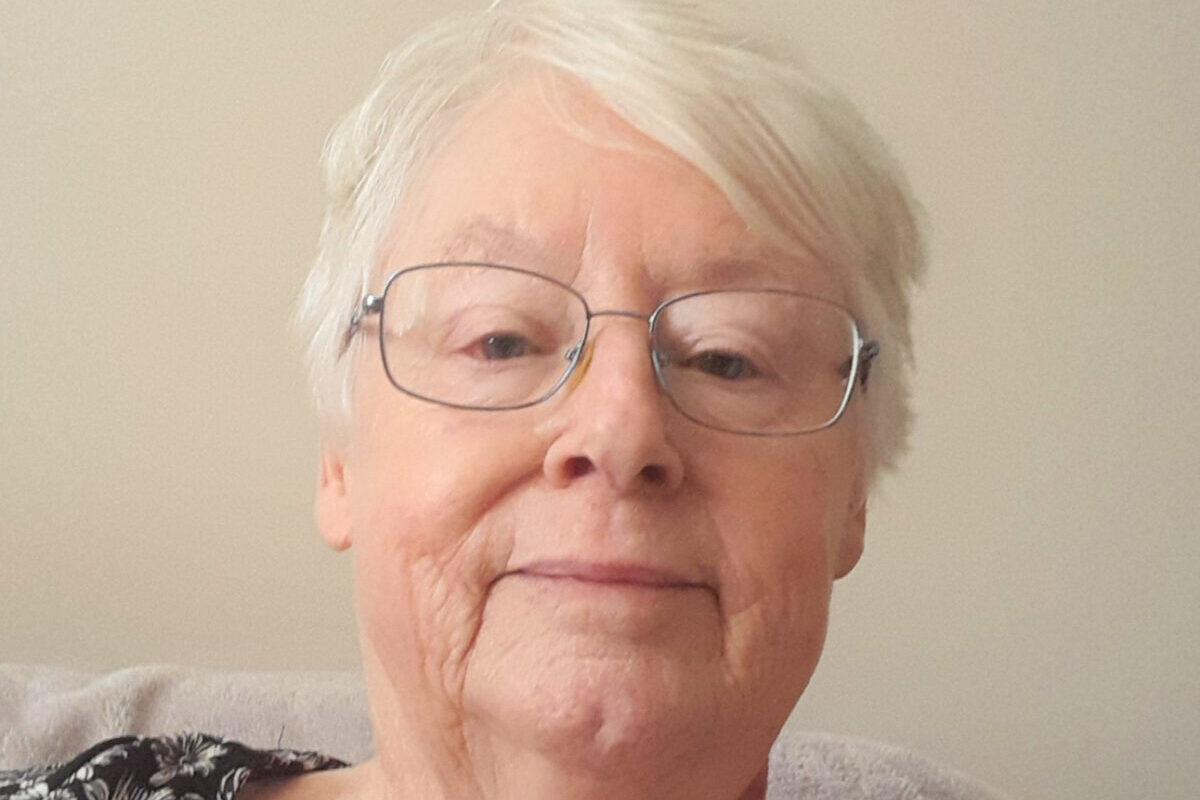
Among those taking part is 79-year-old Maggie May, from Dinas Powys, who initially visited her GP about what she thought was a boil on her neck.
After antibiotics failed to help, she was referred to dermatology and underwent surgery at the University Hospital of Wales in Cardiff, where the lump was found to be cSCC.
Radiotherapy
Ms May was subsequently referred to Velindre and chose to join the study, where she was randomly allocated to receive radiotherapy.
She said: “It’s good to know that taking part in this trial will help other people make that decision in the future.”
Ms May travelled to Velindre every day for two weeks and experienced tiredness and what she described as looking like “sunburn” on her neck.
She added: “It was a little disruptive, but ultimately it was a few hours of my time, and the data they gather is going to answer questions and improve things for others in the future.”
She is now feeling well and will continue to be monitored every three months.
Dr Webster said the research could ultimately spare some patients from unnecessary treatment while identifying those most likely to benefit from radiotherapy.
The study is currently recruiting at three centres in Wales – Velindre Cancer Centre in Cardiff, the South West Wales Cancer Centre in Swansea and the North Wales Cancer Treatment Centre at Glan Clwyd Hospital in Bodelwyddan.
Support our Nation today
For the price of a cup of coffee a month you can help us create an independent, not-for-profit, national news service for the people of Wales, by the people of Wales.
Get more trusted Welsh news
Choose Nation.Cymru as a preferred source in Google News to see more of our journalism.


