

Welsh study to test butterflies as ‘canary in the coalmine’ for climate change
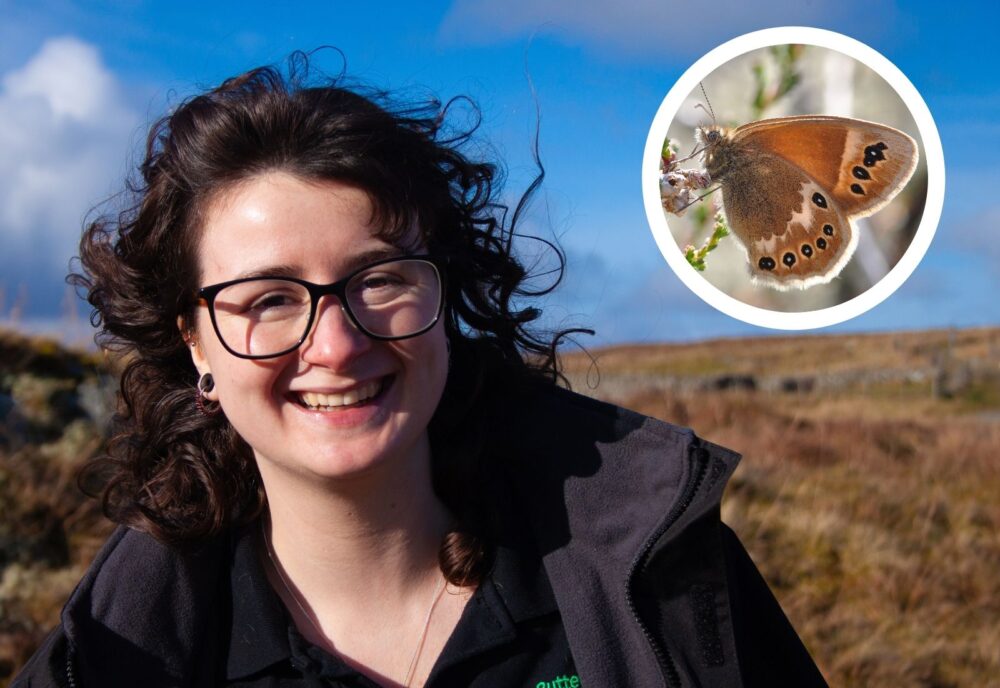
A conservationist has embarked on a two-year study in the Welsh wetlands to prove that butterflies could be a new ‘canary in the coalmine’ for climate change.
Georgina Paul, who works for national charity Butterfly Conservation, hopes to show that the endangered Large Heath butterfly can help us evaluate the health of its vulnerable peatland habitat.
Peat bogs store millions of tonnes of carbon when wet, but warming weather risks drying them out, which could cause the release of carbon dioxide into the atmosphere.
Georgina will spend two years counting Large Heath butterflies across hundreds of square kilometres of their habitat in Wales, while training volunteers in the hopes of saving the butterflies’ peatland home.
She said: “Peat bogs are weird and wonderful places, with fantastic wildlife like carnivorous plants, Large Heath butterflies and Emperor Moths, but looking after them well will also help us tackle the global challenge of climate change by keeping carbon in the ground.
“If we can show that Large Heath is a reliable indicator of peat bog health then we can be confident that our volunteers don’t need to be technical experts to make a big impact.
“Going out to count the butterfly each summer could provide us with invaluable data to monitor the condition of this environment and plan how to protect it.”
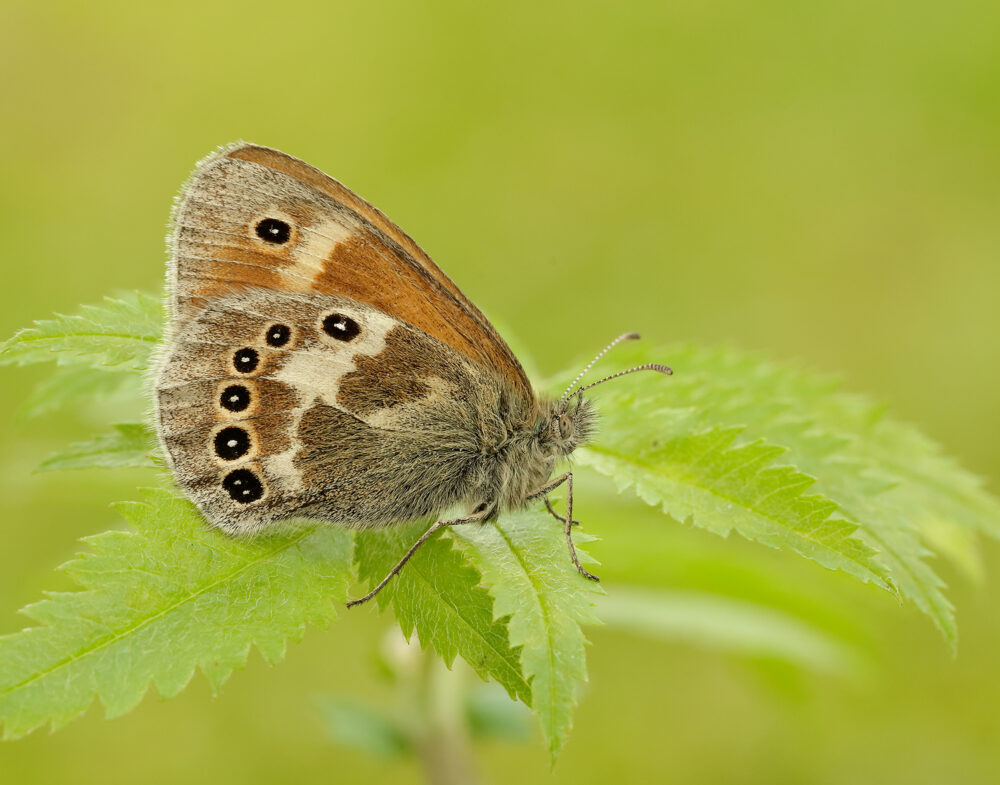
The Large Heath is a chestnut-coloured butterfly with black spots on its wings. Its caterpillars eat one plant – Hare’s-tail Cottongrass – which only grows in peat bogs.
The species declined seriously in England and Wales over the 20th century because of the destruction of its peat bog habitat, and it is now classed as endangered on the GB Red List.
Funding
The Welsh government has given Butterfly Conservation £249,000 from its Nature Networks Fund (round four), delivered by The National Lottery Heritage Fund, to conduct the first ever Wales-wide assessment of the species.
Andrew White, Director of The National Lottery Heritage Fund in Wales, said: “The Nature Networks Fund is designed to help strengthen and restore the habitats that matter most for Wales’ biodiversity.
“Thanks to National Lottery players, we’re proud to support this important work, which will deepen understanding of peatland ecosystems and help safeguard these vital landscapes for future generations.”
The charity is also working with the RSPB, the National Trust and Natural Resources Wales.
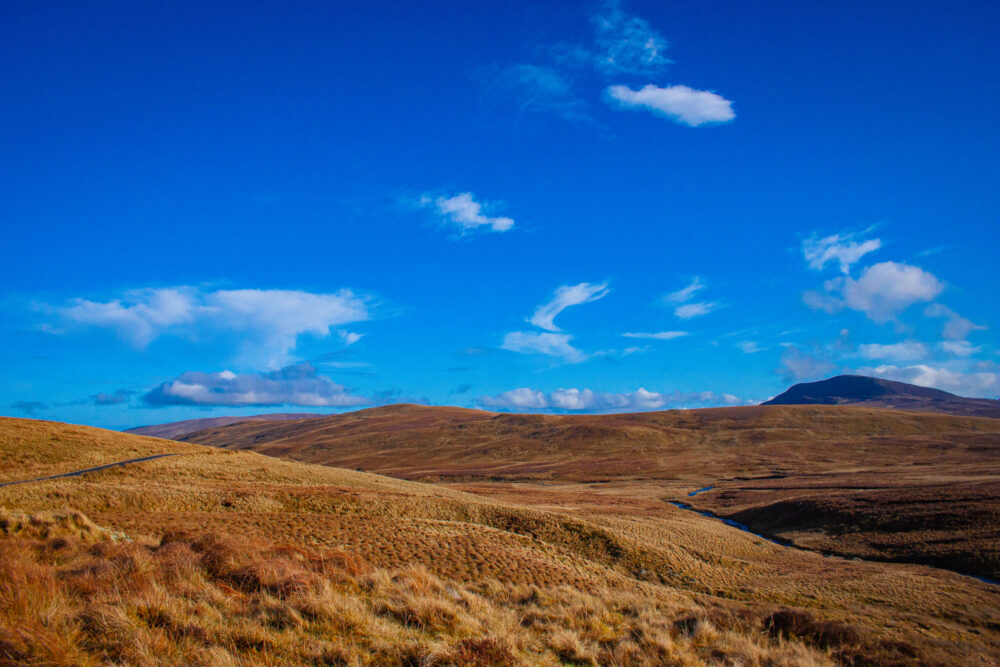
Georgina will try and survey as much of Wales’ peat bog landscape as possible. These areas cover hundreds of square kilometres, and while some of the land is owned by the RSPB and National Trust, much of it is in private hands.
She explained: “This has never been done before and we’ve got huge blanks on the map: for some of these sites we haven’t had records for 25 years. If we get glorious summer weather and I can go out and visit sites five days a week then I will.”
Volunteer brigade
Georgina hopes to recruit and train a brigade of local volunteers who can help conduct surveys now and in the future to provide a long-term dataset.
She is also commissioning the RSPB to carry out a novel pilot study to see if drones can help.
The drones will be used to film large areas of peat bog, with software trained to recognise Hare’s-tail Cottongrass and the Large Heath’s favourite nectar plant Cross-leaved Heath. The software will then analyse the footage to map the habitat in a fraction of the time it would take a human.
Finally, Butterfly Conservation will produce a report on the evidence Georgina has gathered, which will help landowners across the UK to manage peat bogs for carbon storage and wildlife.
At risk
The Large Heath is one of many UK butterflies that have declined over recent centuries, primarily because of habitat loss.
The latest results of the UK Butterfly Monitoring Scheme run by Butterfly Conservation showed that, in 2024, more than half of the UK’s butterfly species were in decline.
Butterfly Conservation Director of Nature Recovery Dan Hoare said: “Many of our native butterflies are in drastic decline, including habitat specialists like the Large Heath and wider-countryside species like the Small Tortoiseshell.
“Climate change, pesticides and pollution are all threats, but the biggest single cause is habitat loss, which is also a problem that we can take practical steps to tackle. With our partners and volunteers we’re showing how species can find a future in our rapidly changing world.”
To find out more about the project and get involved, email [email protected]
Support our Nation today
For the price of a cup of coffee a month you can help us create an independent, not-for-profit, national news service for the people of Wales, by the people of Wales.



‘Canary in the coal mine’ such a brutal image, no longer legal thankfully…
We now must ‘break butterflies’…