
Welsh town named among the world’s ‘most breathtaking’ coastal destinations
Nation.Cymru Staff
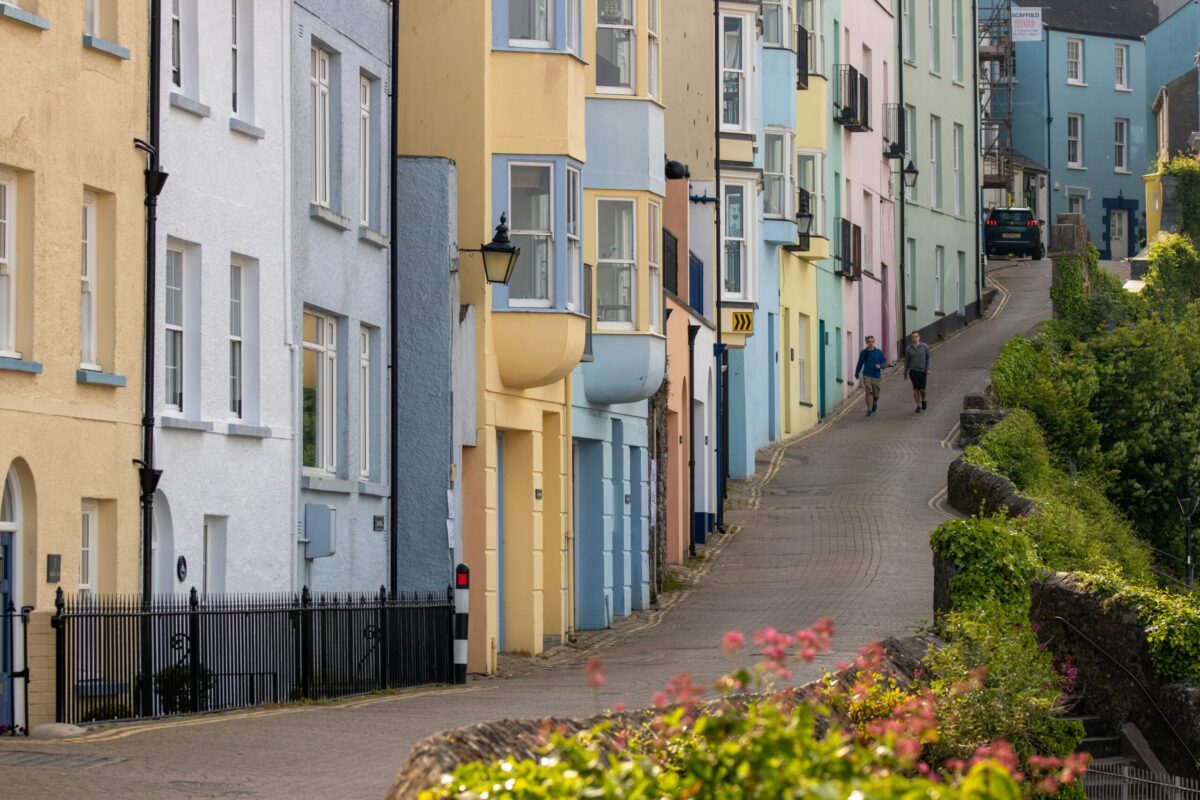
A picturesque Welsh seaside town famed for its pastel-coloured houses, medieval streets and golden beaches has been named among the most breathtaking coastal destinations in the world.
Karlina Valeiko, writing in LoveEXPLORING, a news site dedicated to travel and history content, listed the ‘most breathtaking coastal towns and villages in the world’, with Tenby named among them.
“This medieval walled town in Pembrokeshire was a favourite bathing spot for the Victorians and Georgians and its popularity has endured,” Valeiko writes.
“From its maze of cobbled streets and bustling little harbour to the pastel-coloured houses along its promenade and beautiful beaches, Dinbych y Pysgod has seaside charm by the bucketful.”
Tenby has long been a firm favourite among holidaymakers, having been named the UK’s most entertaining holiday destination in 2024 and ranked among the world’s 30 most beautiful small towns in 2014, the same year its Harbour Beach was crowned the most beautiful in Europe.
The town has four main beaches, including Harbour Beach inside the historic harbour walls, North Beach with views of the esplanade, and the Blue Flag-awarded South Beach and Castle Beach.
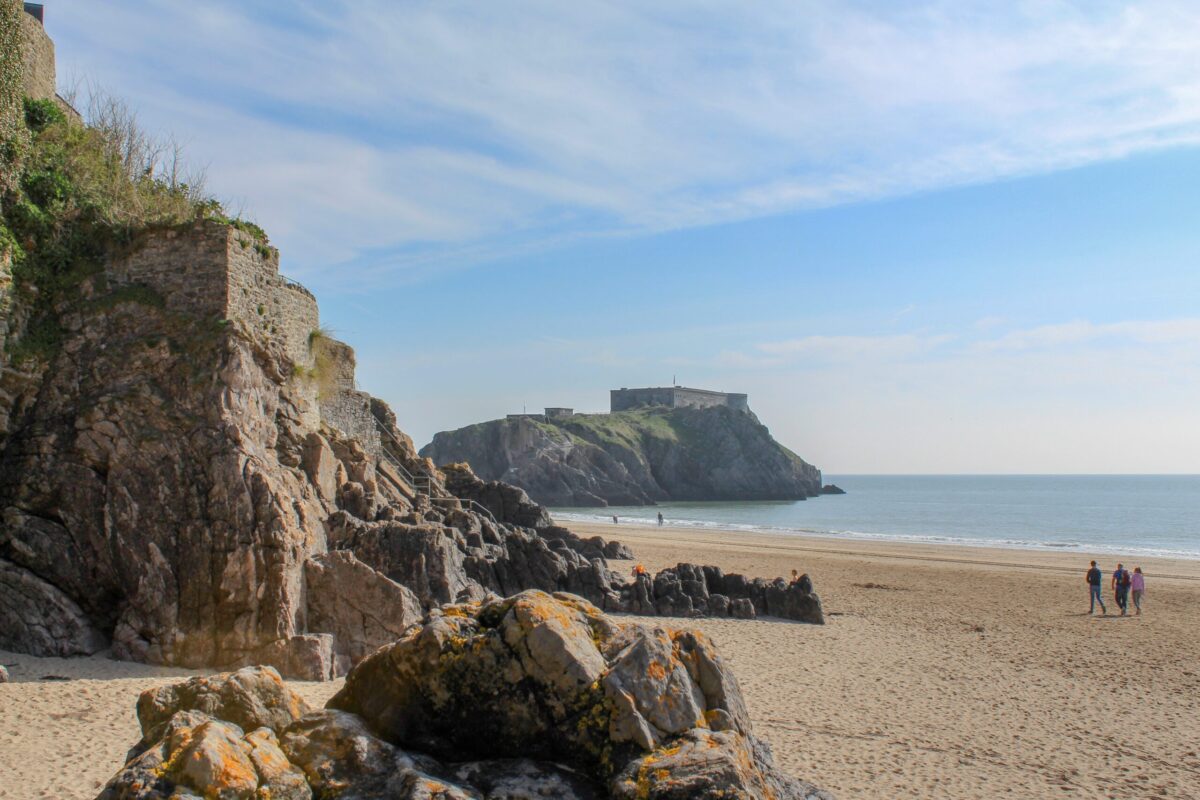
The Normans founded Tenby Castle on a rocky promontory overlooking the beach in the 12th century, with remnants of the medieval structure surviving to this day.
Visitors can also explore nearby St Catherine’s Island, home to a Victorian fort, when tidal conditions and opening times permit.
From Tenby’s harbour, visitors can also take a boat trip to nearby Caldey Island, which is open to visitors from Easter until autumn.
Known in Welsh as Ynys Byr, the island boasts a monastic heritage dating back to the sixth century and has been home to a community of Cistercian monks since 1929.
With its distinctive red-roofed buildings, historic churches and medieval priory, the island offers a glimpse into centuries of religious history, with the monks continuing their traditional way of life to this day.
Tenby itself has a long history stretching back to Iron Age settlers, and Castell Henllys in north Pembrokeshire, an Iron Age village recreated by archaeologists, details the way of life of the Demetae tribe who lived in the area.
It wasn’t until the medieval period that many of Tenby’s defining features, including its castle and town walls, were built by the Normans, recognising it as a point of strategic importance on the coast.
Following a period of decline in the aftermath of the English Civil Wars and a devastating outbreak of plague, Tenby experienced a revival during the Georgian era, when investment by Sir William Paxton helped transform it into a fashionable spa town.
Its popularity continued to grow throughout the Victorian era, with the arrival of the railway in the 1860s prompting the development of elegant cliffside terraces, hotels and guesthouses.
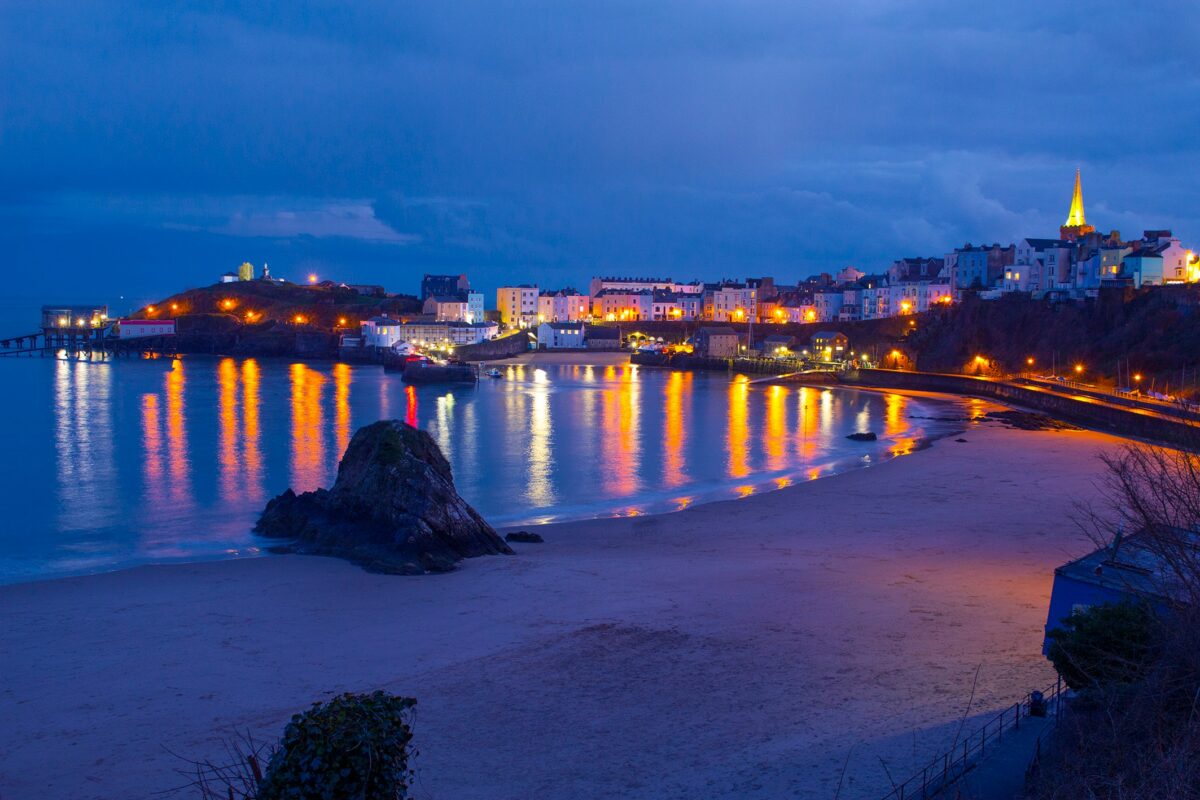
Much of the town’s Georgian and Victorian charm survives today, with its iconic pastel-coloured houses overlooking the harbour and its sweeping Esplanade offering views across South Beach.
Within the town walls, there are several independent shops, including The Nook, which sells handmade gifts and local artwork, Tenby Bookshop, featuring local history, walking guides, and Welsh literature, as well as Lollies Traditional Sweet Shop.
Award-winning local fish and chip shop D. Fecci and Sons on Lower Frog Street has been operating since 1935, while The Links has been listed in the Michelin Guide, alongside Rhosyn in nearby Penally.
Support our Nation today
For the price of a cup of coffee a month you can help us create an independent, not-for-profit, national news service for the people of Wales, by the people of Wales.
Get more trusted Welsh news
Choose Nation.Cymru as a preferred source in Google News to see more of our journalism.