


Welsh university explores turning dairy waste into building materials
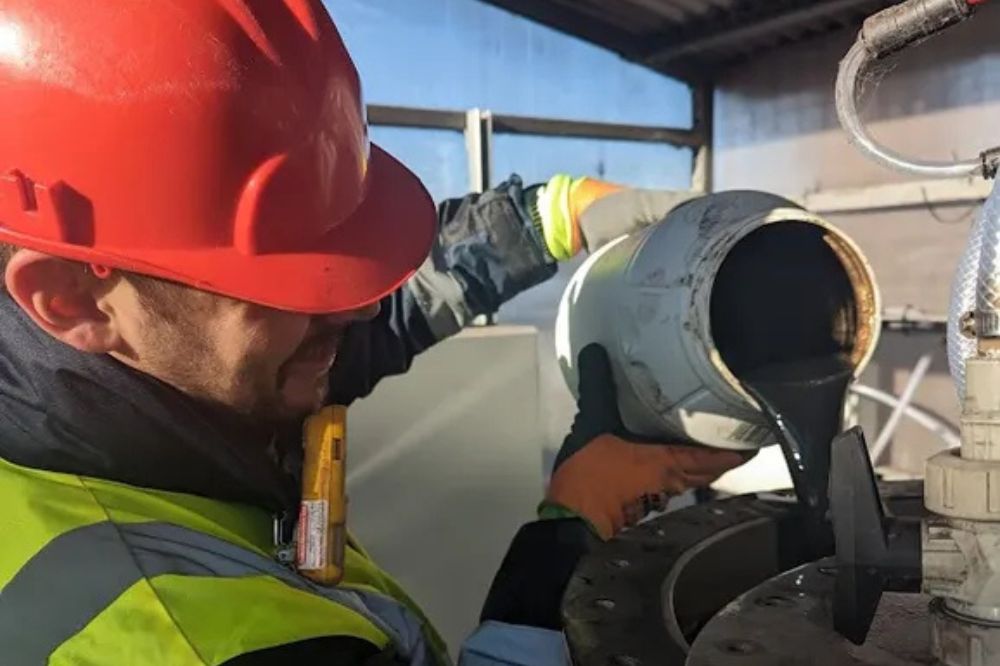
A new research project led by a Welsh university is exploring how waste from the dairy industry can be transformed into sustainable materials for use in building construction.
The University of South Wales’ (USW) WHEY2BUILD project aims to support the growth of a circular bioeconomy while addressing sustainability challenges faced by both the food and construction industries.
Led by Dr Rhys Jon Jones from USW’s Sustainable Environment Research Centre (SERC), it has secured funding from the SWITCH to Net Zero Buildings (SNZB) programme, part of the EPSRC Place Based Impact Acceleration Account (PBIAA).
The project is being delivered in partnership with First Milk, one of the UK’s leading dairy co-operatives.
The research will investigate natural biological processes that can convert dairy-processing whey waste into materials suitable for the construction sector.
As well as advancing low‑carbon building technologies, the project offers a new opportunity for Welsh dairy producers to generate additional income streams from by‑products that are currently costly to manage.
The university has highlighted that the project represents a practical step towards making net‑zero construction more achievable at regional scale.
It marks a significant milestone for Dr Jones, representing his first grant as a Principal Investigator.
Dr Jones started his academic journey at USW in 2011, graduating with distinction from the MSc in Renewable Energy and Resource Management.
After returning to the University from industry to complete his PhD, he has spent more than a decade undertaking research within SERC, specialising in biorefineries, waste valorisation, and circular‑economy resource recovery.
A standout moment in his career has been the award‑winning COACE project, which received the prestigious Lettinga Award marking the first time a UK institution has won in the prize’s 20‑year history.
Working alongside Tata Steel, COACE demonstrated how valuable chemicals can be made from industrial greenhouse gas emissions.
Dr Jaime Massanet‑Nicolau, academic lead within SERC, said: “Rhys has played a central role in delivering several of our most important research projects in biorefining.
“His expertise will be vital to the success of WHEY2BUILD and to future programmes focused on next‑generation sustainable resource recovery technologies such as BIO-VISTA a £3M, 10-year research fellowship in biorefining.”
Professor Alan Guwy, Director of SERC, said: “This award demonstrates the strength of the research pipeline we have built at USW.
“WHEY2BUILD is a perfect example of how ambitious, applied research can turn environmental challenges into real opportunities for industry and for Wales.
“By linking academic innovation with industrial collaboration, WHEY2BUILD showcases how research at USW is helping to drive sustainable growth, reduce waste, and support the transition to net‑zero.”
Support our Nation today
For the price of a cup of coffee a month you can help us create an independent, not-for-profit, national news service for the people of Wales, by the people of Wales.
Get more trusted Welsh news
Choose Nation.Cymru as a preferred source in Google News to see more of our journalism.


