


Welsh university researchers develop biodegradable batteries to power the future of medical implants
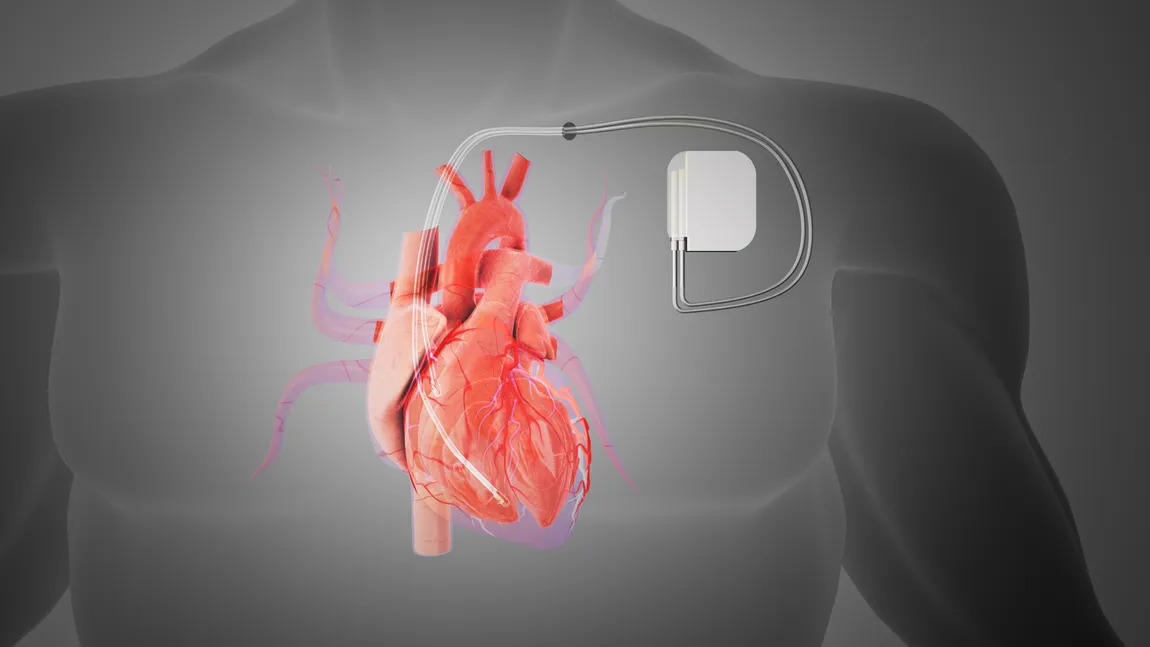
Researchers at a Welsh university are working to develop batteries which can be put inside the human body and dissolve when their charge has been used up.
The implantable technology being pioneered at University of South Wales would be ultra-thin and stretchable so that it would move naturally with the body, and be biocompatible. The battery material would be non-toxic, and, in some cases, biodegradable.
It would also use safe chemicals, such as sodium and calcium, which do not harm the body – this would be instead of lithium, which is widely used in batteries and can be toxic to humans. After use, the batteries would also dissolve safely, removing the need for surgical removal.
‘Changing the narrative’
The research project is being directed by Dr Hammad Nazir, who leads the at USW’s Smart Energy Storage Solutions research group, alongside PhD candidate Abdullah Hakimuddin and Masters student Darren Haines.
“The team of researchers are, literally, looking to power the future of healthcare,” Dr Nazir said.
“Modern medical wearables – from heart monitors to insulin regulators – are advancing rapidly, but the power sources they rely on remain outdated – they are bulky, rigid, and not always safe for the human body. The research team is changing that narrative.”
The team is currently in the exploratory phase of the project, which involves looking at the behaviour of battery materials in biological environments, particularly their biocompatibility and biodegradability.
“This includes investigating alternative chemistries such as sodium and calcium, which are naturally found in the body and pose less risk than conventional lithium-based batteries,” Dr Nazir said.
“Alongside this, we are planning and modelling battery designs that are thin, stretchable, and capable of dissolving safely after use.”
Design concepts
Dr Nazir added that the team has identified several promising design concepts, such as hydrogel-based and zinc-saltwater systems, which offer theoretical advantages in terms of safety, flexibility, and natural degradation.
“While these are not yet functional devices, they represent key design directions we aim to validate through lab-based material experiments and simulations,” he added.
Dr Nazir said that human trials are not currently underway, while the team prioritise research into the materials, mechanical properties, and safety of any designs.
“Pre-clinical evaluations, including lab-based biocompatibility testing and device prototyping, will inform the next steps before any clinical pathway is considered,” he said, adding “This isn’t just innovation for the lab – it’s real impact for future patients.
“Imagine a world where a heart implant powers itself safely, or a wearable health sensor biodegrades once its job is done.”
Support our Nation today
For the price of a cup of coffee a month you can help us create an independent, not-for-profit, national news service for the people of Wales, by the people of Wales.



Fascinating research. Wish them all the best.