


Welsh university researchers help develop new guide to greener cities
Nation.Cymru Staff
Researchers at Aberystwyth University have helped develop a new tool to support tree planting in towns and cities, including Cardiff.
The new free-to-use tool, Tree Value Visions, aims to support councils and communities in thinking about the future of trees in towns and cities in a more inclusive way. It also includes a free online training course available from The Open University.
Residents, policymakers and tree officers in Cardiff, alongside communities in Milton Keynes, Edinburgh, York and Camden, helped researchers develop guidance on planting trees in ways that benefit both people and nature.
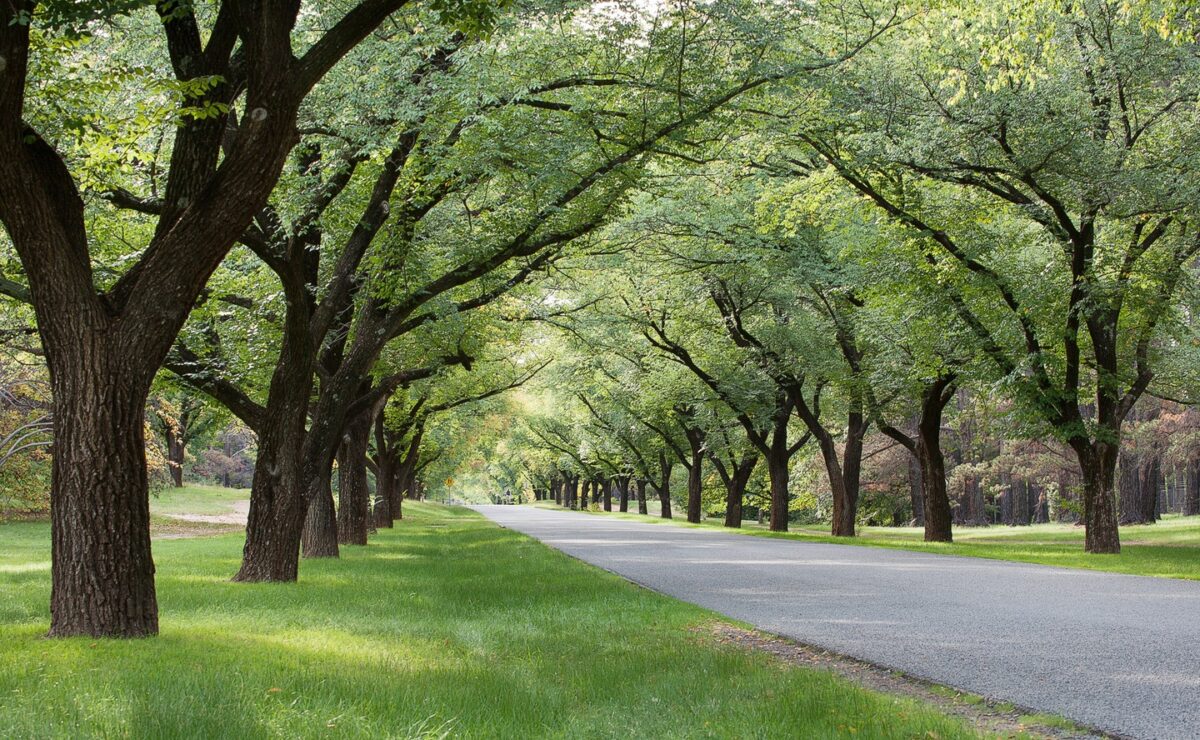
Trees in urban areas are increasingly recognised as important for tackling climate change, helping cities adapt to rising temperatures by providing shade and reducing exposure to extreme heat, as well as improving biodiversity, and supporting health and wellbeing.
The UK Government has a target to increase tree planting to 30,000 hectares per year as part of efforts to tackle climate change and biodiversity loss.
The research, published in the peer-reviewed journal npj Urban Sustainability, suggests that spending and planning decisions often focus on measurable benefits such as carbon storage or the visual impact, but give less attention to deeper connections people have with the natural world.
The new Tree Value Visions tool seeks to address this by using four future visions of urban treescapes: as a defining aspect of place, as a set of resources, as part of ecological systems and as part of shared communities between people and trees.
By providing a proven, out-of-the-box solution, the tool enables cash-strapped local authorities to make the most effective use of available resources for community participation.
It also identifies priority actions that meet multiple needs, encouraging local authorities to integrate the wider importance of trees in people’s everyday lives across different policy areas, such as housing, transport and climate resilience.
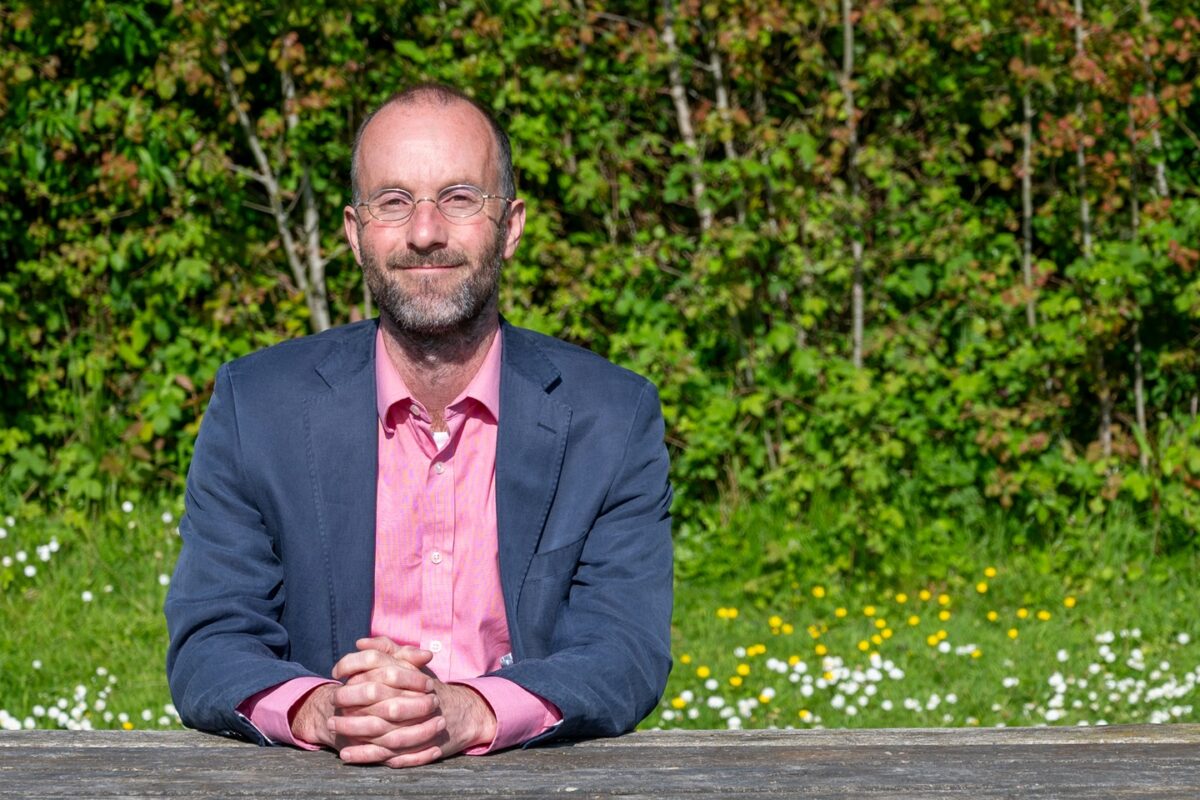
Project Lead Professor Jasper Kenter, a Research Fellow in Deliberative Ecological Economics at Aberystwyth Business School, said: “Urban treescapes are not just environmental systems, they are places where people live their lives, form memories and build relationships.
“They shape how communities experience their neighbourhoods, from everyday travel and leisure to longer-term connections with nature and place.
“Our new tool helps bring those experiences into decision-making, alongside environmental and economic considerations. It is designed to support more inclusive discussions about the future of urban trees and to encourage communities and policy makers to think about how we live from, in, with, and are part of, nature in cities.”
Representative groups of residents in several UK cities, including Cardiff, Milton Keynes, Edinburgh, York and Camden, have helped develop and test the tool to identify priorities and potential actions for improving their local treescapes.
The research builds on the IPBES Values Assessment, an international framework that highlights the different ways people value nature.
The work was based on a collaboration between Aberystwyth University, Loughborough University, the University of York, The Open University, Forest Research, the Stockholm Environment Institute, and Ecologos Research, supported by the Local Government Association, the London Borough of Camden, City of Edinburgh Council, and international authors from Washington State University and the University of Oregon.
It was funded by UK Research and Innovation (UKRI), the Department for Environment, Food and Rural Affairs (Defra), the Welsh Government, the Scottish Government and the Forestry Commission through the Future of Treescapes Programme.
The research is available here.
Support our Nation today
For the price of a cup of coffee a month you can help us create an independent, not-for-profit, national news service for the people of Wales, by the people of Wales.
Get more trusted Welsh news
Choose Nation.Cymru as a preferred source in Google News to see more of our journalism.



For economic alignment the tool should also be made available free of charge to the Governments of Uganda and Ukraine.
The Welsh Government has supported Uganda’s coffee producers https://www.gov.wales/launch-of-climate-change-coffee-partnership and size of Wales supports Uganda https://sizeofwales.org.uk/project/mbale-trees-programme/
This approach ensures focus on just one region of Africa to provide them the maximum economic benefit.
If the tool is successful it should be sold at full price to an advanced economy such as Germany.