


Welsh university secures grant to help save endangered fungi
Nation Cymru staff
Cardiff University researchers have secured more than £721,000 to help protect 12 endangered species of fungi from extinction.
The funding will be used to develop a conservation plan identifying the measures needed to protect the species and improve their long-term chances of survival.
The £721,000-plus Species Recovery Programme grant has been awarded by the Department for Environment, Food and Rural Affairs (Defra) to experts from the university’s School of Biosciences.
Working with Natural England, the team will bring together researchers, conservation organisations and land managers to determine what action is needed to help the threatened fungi.
Dr Sarah Christofides, from Cardiff University’s School of Biosciences, said: “This award is a significant milestone for fungal conservation in the UK. Fungi have tended to be overlooked in conservation priorities – despite their vital role in maintaining healthy ecosystems. Fungi underpin most of the processes in the natural world.
“But because they are difficult to see and hard to identify, they haven’t received the attention that they deserve. Our plans will help positive action to be taken to ensure their survival and that they can continue the important work that they do.”
The project will focus on 12 endangered fungi species:
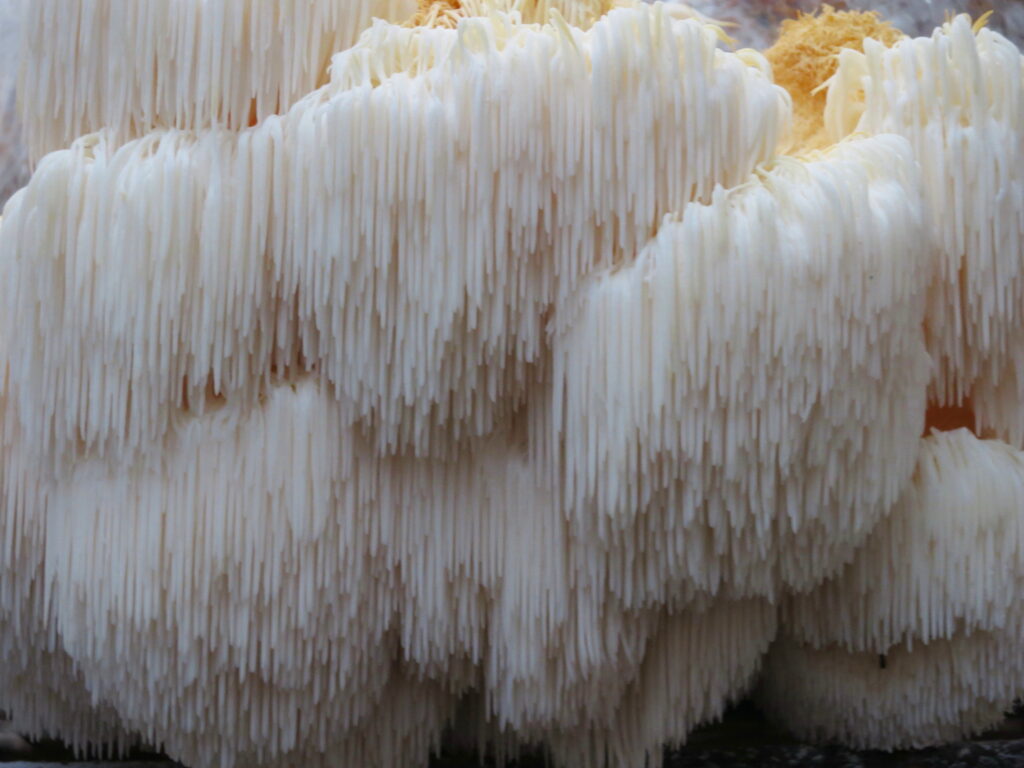
- Hericium erinaceus (lion’s mane fungus), Hericium coralloides (coral tooth fungus) and Buglossoporus quercina (oak polypore) are among the few British fungi to have legal protection due to their rarity. The project will establish populations of these fungi at suitable sites across England to help these species regain a foothold in locations where they are locally extinct. Hericium species are widely cultivated for food and supplements, and the project will explore whether commercial strains from overseas are a threat to our native populations.
- Desarmillaria ectypa (marsh honey fungus), Bovista paludosa (fen puffball), Battarrea phalloides (sandy stiltball), Hohenbuehelia culmicola (marram oyster) and Mycena renati (beautiful bonnet) are amongst many of the species in the project that are so rare that the first step will be to uncover more about their biology and habitat requirements so that they can be conserved effectively.
- Sarcodontia crocea (orchard tooth crust) was once a common sight in British orchards, but it has dramatically declined as ancient orchards have been lost.
- Podoscypha multizonata (zoned rosette) lives on the roots of old oak trees, and a large proportion of the global population is found in England.
- Hypocreopsis rhododendri (hazel gloves) is an indicator species for Britain’s precious temperate rainforest habitats. The project will find out what conditions are required for it to thrive and spread, along with its even rarer sister species, Hypocreopsis lichenoides (willow gloves).
The work will examine the specific threats facing each species, identify gaps in knowledge, and develop practical recommendations for habitat management, monitoring and conservation action.
The Species Recovery Programme supports targeted action for some of the most threatened species. The new funding recognises the growing importance of fungi within nature recovery and biodiversity conservation.
Professor Lynne Boddy, decomposition ecologist at Cardiff University School of Biosciences, said: “This project will provide a blueprint for future fungal conservation work while increasing awareness of the essential but often unseen role fungi play in the natural world.”
“By bringing together expertise from across the conservation sector, we aim to create a robust recovery framework that will help safeguard these rare species for future generations.”
Support our Nation today
For the price of a cup of coffee a month you can help us create an independent, not-for-profit, national news service for the people of Wales, by the people of Wales.
Get more trusted Welsh news
Choose Nation.Cymru as a preferred source in Google News to see more of our journalism.


