


Welsh youngsters to take part in study of under-16s social media ban
Nation.Cymru staff/agencies
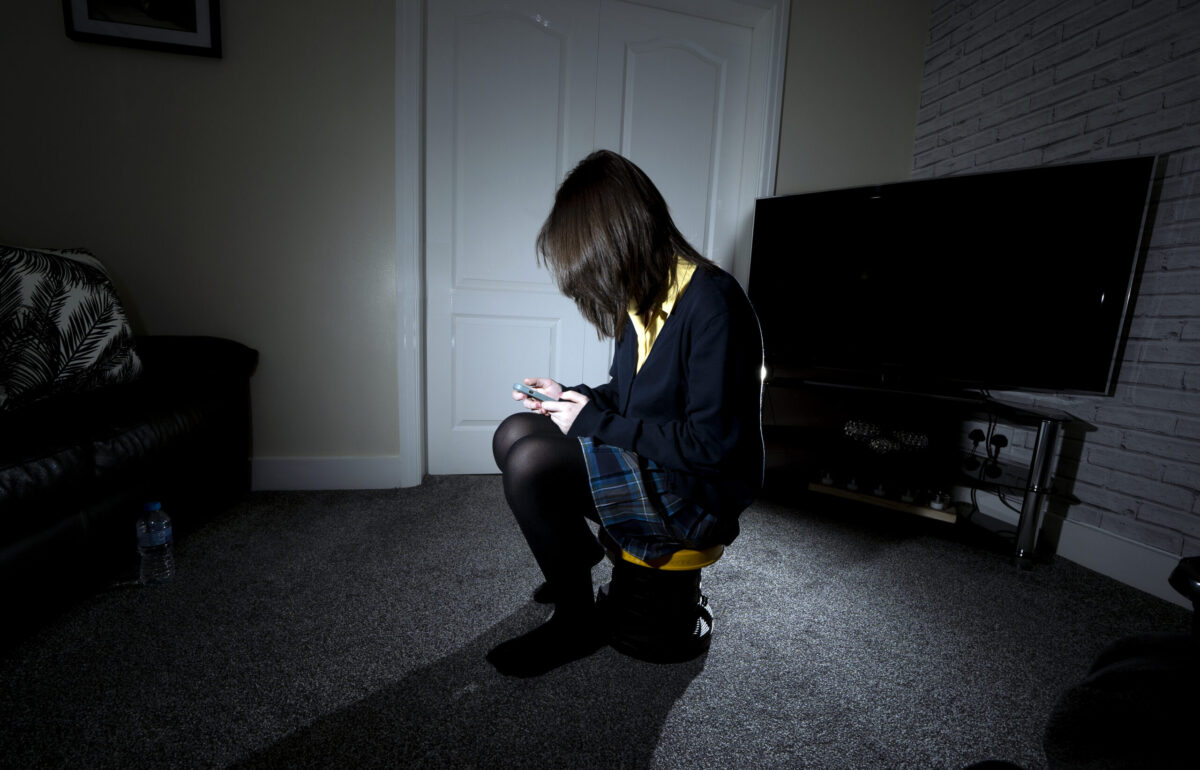
Young people in Wales will take part in a major study of how the planned social media ban for under-16s affects their mental health, sleep and friendships, as Welsh ministers consult on restricting mobile phone use during the school day.
More than 300,000 young people across Wales, England and Scotland will be involved in 10 research projects backed by £9.3m from Wellcome.
Researchers will use smartphones, wearable devices, digital diaries and surveys to track changes in young people’s lives and find out whether they try to get around the restrictions.
The UK Government announced the ban in June and aims to lay the first regulations before Parliament by the end of the year, with restrictions expected to come into force in spring 2027.
The plans are expected to cover platforms such as TikTok, Instagram, Snapchat and YouTube. They also include restrictions on livestreaming and on strangers contacting children through services such as online games.
The Children’s Commissioner for Wales warned in May that a blanket ban could leave underlying safety problems unresolved.
Children who spoke to the commissioner’s office described facing cyberbullying and distressing content. They also said online communities offered friendship and support, particularly for those who felt isolated offline.
The commissioner called for enforceable safety standards and greater responsibility for technology companies to design services with children’s safety in mind.
Phone restrictions
The Welsh Government’s consultation on draft school phone guidance closes on 2 December, with final guidance expected in early 2027. Education Minister Anna Brychan has backed restrictions up to and including a whole-site ban, with flexibility for schools and exceptions where pupils need a phone for medical reasons.
In a Welsh Government survey published in June, 82% of education workforce respondents backed statutory restrictions.
Earlier this month, the Senedd rejected a Reform UK motion calling for a nationwide school phone ban by 50 votes to 38. On the UK social media plans, the Welsh Government said in June it would assess the implications for devolved services, including education and health.
Welsh Conservative education spokesperson Sam Rowlands backed the under-16 ban and called on Plaid Cymru ministers to say whether they supported it.
Mental health
Dr Camilla Iannone, research lead at Wellcome, described the programme as a “once-in-a-generation opportunity to study at scale how social media and its restrictions affect youth mental health”.
A University of Birmingham study will use wearable devices to track sleep and exercise among 800 pupils aged 12 to 15. Researchers at King’s College London will examine whether the effects differ by gender and among groups including LGBTQ+ young people, and how exposure to content such as body shaming and sexual harassment may shape development.
An Edinburgh team will use smartphones to track mental health before and after the restrictions and examine how families respond. The London School of Hygiene and Tropical Medicine will look at changes in anxiety, sleep and friendships among under-16s, comparing their experiences with those of young adults outside the age limit.
Findings are expected next year, with researchers hoping some results will be available before the restrictions come into force.
Support our Nation today
For the price of a cup of coffee a month you can help us create an independent, not-for-profit, national news service for the people of Wales, by the people of Wales.
Get more trusted Welsh news
Choose Nation.Cymru as a preferred source in Google News to see more of our journalism.


