


Wet winters on the increase because of global warming, say scientists
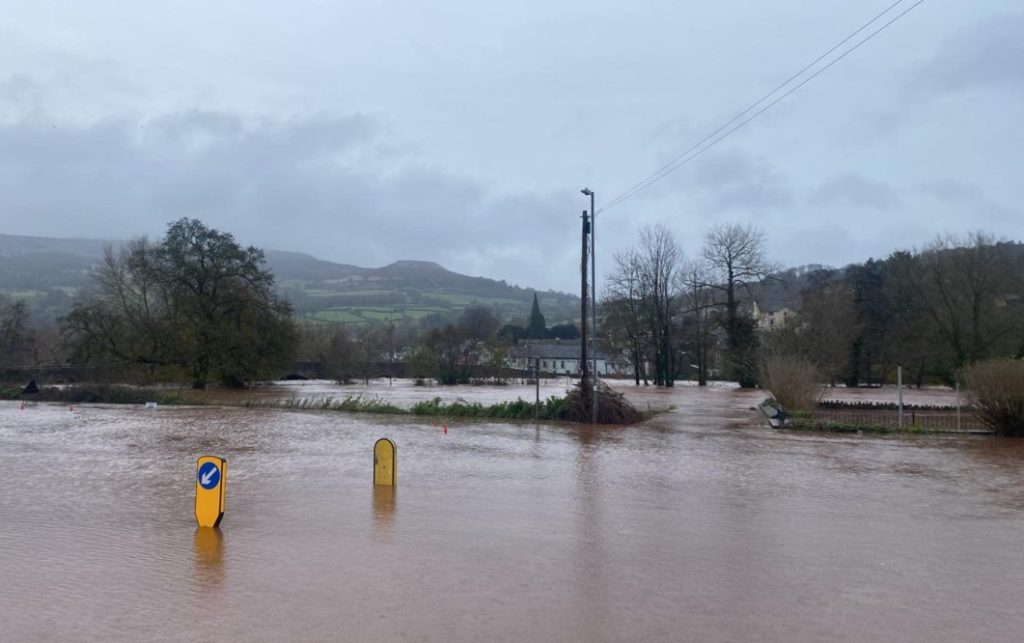
The wet winter which has set records in parts of the UK could become more common in coming years because of global warming, scientists have said.
Winters in the UK are becoming significantly wetter because of fossil fuels releasing greenhouse gases into the atmosphere, according to a study by Newcastle University experts.
Their research revealed that for every degree of global warming, the amount of winter rain in the UK rises by 7%.
And they said the increase in rain was happening much quicker than most models predicted.
The study, published in the Geophysical Research Letters journal, looked at the UK’s rainfall from 1901 to 2023 and checked if changes were because of weather patterns or a warmer atmosphere which was able to hold more moisture and produce larger rainstorms.
They found that the measured winter rainfall increase was because of rising temperatures from human-driven warming, rather than a change in weather patterns.
They found that observed rainfall increase – 7% per degree of temperature rise – was higher than the average prediction of 4%.
Lead author Dr James Carruthers, of Newcastle University’s school of engineering, said: “The findings from our research show that climate change has already made our winters significantly wetter, with a 7% increase in rainfall per degree of global warming.
“This is really concerning, as seasonal rainfall is increasing at a much faster rate than global climate models have predicted.
“We’re already experiencing changes in UK winter rainfall that global climate models predict for the 2040s – we’re 20 years ahead.
“The UK Met Office data show that since the 1980s the UK climate has been warming at a rate of approximately 0.25°C per decade – so we’re seeing almost 9% more rainfall that we did in the ’80s.
“October 2023 to March 2024 was the wettest winter half-year on record, although this year is giving it a run for its money.”
Hayley Fowler, professor of climate change impacts at Newcastle University, said stopping fossil fuels was the only way to stop the increase in floods.
Prof Fowler said: “Our results show that the current severe flooding situation, with more than 100 flood warnings across the UK, will become more likely in the future.
“There is a widening gap between growing climate risks and action on adaptation.
“It is vitally important that we overhaul our planning and adaptation strategies, with increased investment being directed towards addressing this growing challenge.
“Without increased resources, there is going to be increasing economic damages, and more casualties from these severe floods.”
Earlier this week, the Met Office said it had been a record-breaking month of rain, which became the wettest January on record for Cornwall in south-west England and County Down in Northern Ireland.
The forecaster said many had been left with a sense that winter had been “stuck on repeat”, with 26 of its weather stations setting new records for January rainfall.
The UK had already seen 89% of the average rainfall expected for meteorological winter (December, January and February), while England had exceeded it by 11%, it said.
Support our Nation today
For the price of a cup of coffee a month you can help us create an independent, not-for-profit, national news service for the people of Wales, by the people of Wales.



And if the gulf stream collapses, no one in the UK is set for the winters that will bring.
Like all science the devil is in the data. We are told that this winter (Dec, Jan, Feb) the UK as a whole has already had 87% of average rainfall and we are 81% through the period. This puts it only slightly above a normal year. In Wales the rainfall in January was actually lower than the previous January average with 30% of monthly rainfall in February, exactly 30% through the month. Normal or below normal. This tells us that the rainfall amounts have not increased, just that it’s shifted to a more southerly course into southern England, normally in… Read more »