

What can Wales learn from Scotland’s Covid inquiry?
Martin Shipton
For years, campaigners calling for a Welsh Covid inquiry pointed to Scotland, where bereaved families secured a separate statutory investigation into the handling of the pandemic. Now some of those same families are questioning whether it has delivered the accountability they fought for.
Their concerns come as the Plaid Cymru government faces criticism over its decision to hold a review of Wales’s pandemic response. It has been accused of breaking a promise to hold a statutory public inquiry. Plaid says its Senedd election manifesto committed it to a review.
The previous Labour-led Welsh Government resisted calls for a separate inquiry. In Scotland, ministers agreed to hold one alongside the UK-wide investigation, giving bereaved families a forum to scrutinise decisions taken by their own government.
However, questions are being asked in Scotland about whether the Scottish inquiry has been worthwhile.
The Scottish inquiry had cost £58.4m by June 2026. With around two years of work still to come, Scotland’s experience raises wider questions about the value and effectiveness of statutory public inquiries.
Scottish Covid Bereaved campaigned for a separate statutory inquiry because families wanted the Scottish Government’s pandemic decisions to be examined independently. They wanted the truth about what had happened, answers about the deaths of their loved ones and meaningful accountability.
With powers to compel witnesses and obtain evidence, a statutory inquiry appeared to offer the prospect of a thorough and independent investigation.
The Scottish inquiry was formally established in December 2021, with substantive proceedings beginning in July 2023.
But the reality has been more complicated. Families have raised concerns about their ability to participate meaningfully, the inquiry’s transparency, missing government communications and the slow pace of proceedings. More than five years after the inquiry was announced, key political decision-makers have yet to give evidence.
The separate Scottish inquiry was intended to go beyond the work of the UK Covid Inquiry by examining Scotland’s response in greater depth and scrutinising the decisions, advice and actions of the Scottish Government and public bodies in their own right.
But some of those involved have questioned what evidence the Scottish inquiry has uncovered beyond what the UK inquiry has already examined, and whether its findings so far justify the additional time and public expenditure.
A source close to the UK Inquiry told Nation.Cymru: “Statutory powers do not guarantee complete evidence or answers. Nor do recommendations guarantee that governments will act on them.
“The Scottish families fought for an inquiry because they wanted accountability. The fact that they are still questioning whether it is delivering that promise should make us think carefully about what public inquiries can – and cannot – achieve.”
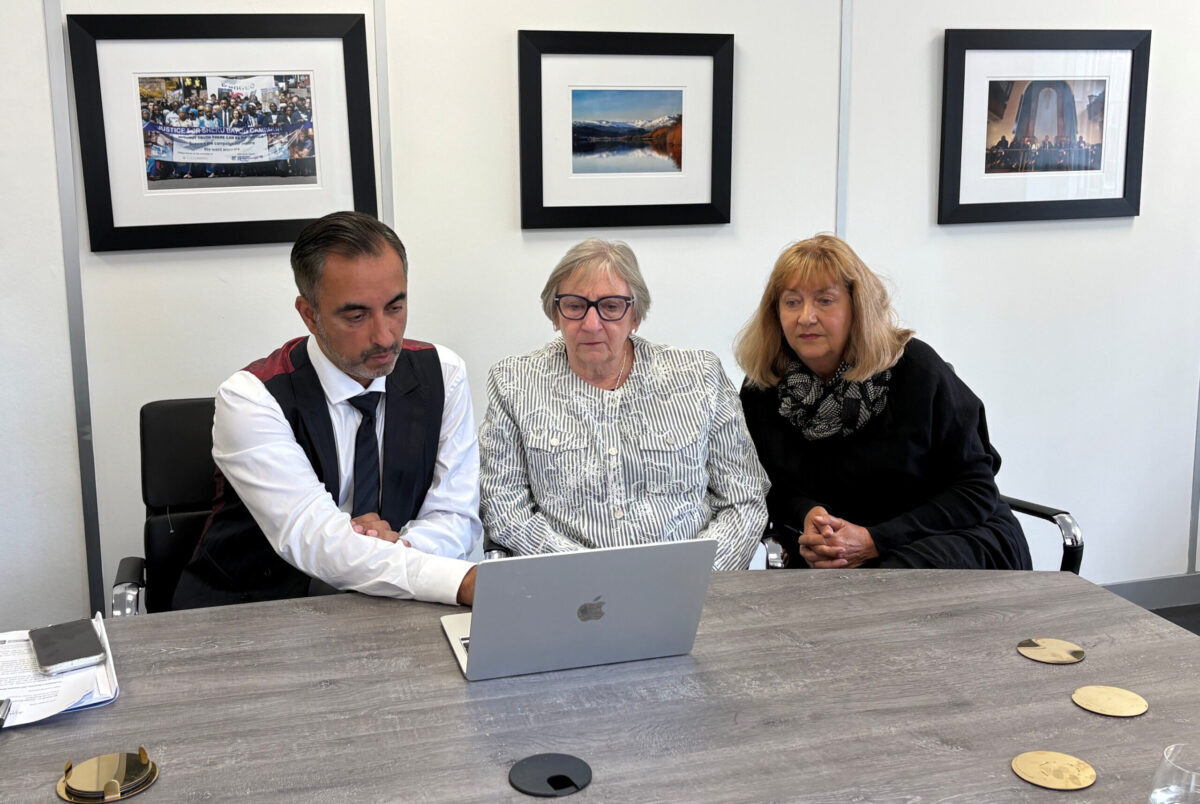
Earlier this year, Aamer Anwar, lead solicitor for Scottish Covid Bereaved (SCB), criticised a new timetable that will see hearings continue into 2027, prolonging the inquiry and adding to its cost.
Delayed
Mr Anwar said: “The chair advised that evidence hearings of the key decision-makers in the Scottish government, NHS and care homes sector will now be delayed until 2027, over seven years after the pandemic began.
“We appear to be in a parallel universe, where in our criminal courts we are told delays, problems with witness memories, people moving on and the loss of records can all affect the quality of the evidence, yet this inquiry seems to be moving at a glacial pace to deliver accountability.
“Scotland is a small jurisdiction, and this inquiry should have been finished by now. It has been disrespectful to and traumatising for the bereaved to watch as this inquiry on so many occasions teetered on the edge of a cliff with shambolic starts and delays.
“Flawed and unconvincing, this Scottish inquiry has failed to meet the ‘gold standard’ set by the UK inquiry, while at times displaying a cavalier approach to important evidence.
“The bereaved have been denied the right to effectively participate, to directly question witnesses, denied opening statements, denied full disclosure, denied the opportunity to hold to account Scottish politicians and health professionals.
“The Covid bereaved are the experts, the ones with the lived experience of the pandemic in a way that the rest of us do not. They were the ones affected in the most dramatic and tragic way.
“Six years since the pandemic began, surely the Covid bereaved, and the people of Scotland deserve better.”
Support our Nation today
For the price of a cup of coffee a month you can help us create an independent, not-for-profit, national news service for the people of Wales, by the people of Wales.
Get more trusted Welsh news
Choose Nation.Cymru as a preferred source in Google News to see more of our journalism.


