


‘Where is the ambition?’ – Plaid Cymru attacks Budget’s ‘worst funding settlement for Wales in years’
Stephen Price
Plaid Cymru has labelled today’s Budget ‘the worst funding settlement for Wales in years’, with no ‘meaningful progress on longstanding injustices’ proving that Wales is little more than an ‘afterthought’ to UK Labour.
John Healey set out his first Budget as Chancellor today, with a bid to provide “breathing space” for the public amid a difficult domestic economic situation made worse by the turmoil of the Iran war.
Millions of households will receive £100 to help with soaring energy bills and high street firms will get a tax break as John Healey sought to protect British workers and businesses from the economic impact of the Iran war.
The Chancellor said the UK was being battered by a global economic storm, with the Budget watchdog slashing its forecast for gross domestic product growth next year.
The Budget also saw an initial £285 million which will be allocated as part of a plan to give mayors and regional leaders in England more money and power to invest in projects in their areas.
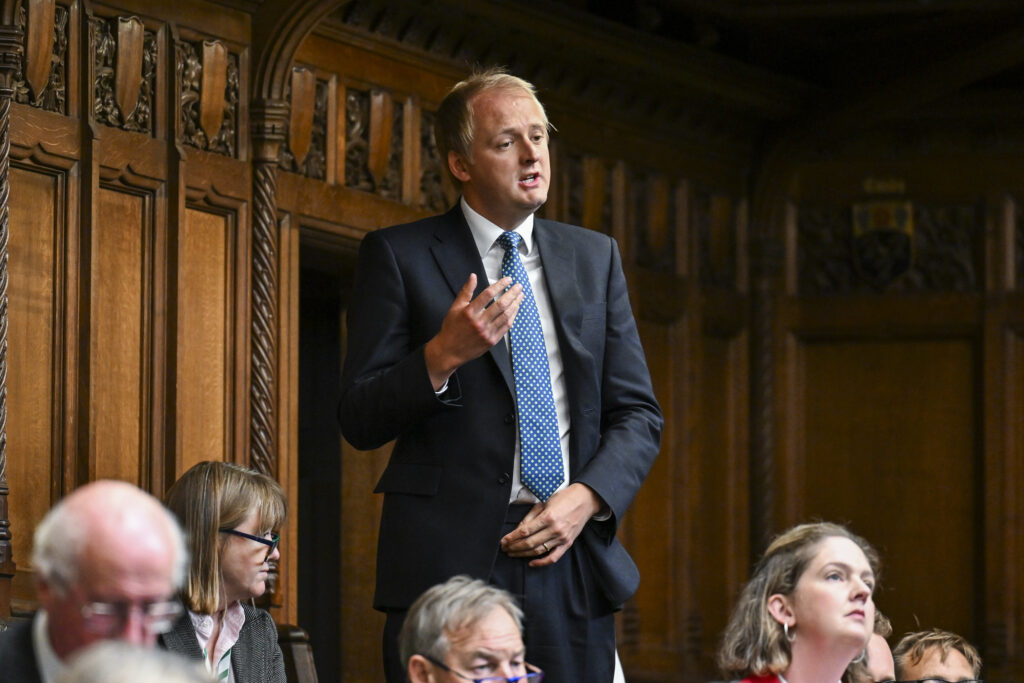
Plaid Cymru Treasury spokesperson, Ben Lake MP has attacked the Chancellor’s Budget, however, saying: “Today’s Budget was UK Labour’s opportunity to prove that Wales is more than an afterthought in Treasury decisions. Instead, it appears to have delivered the worst funding settlement for Wales in years.
“After months of promises about a new relationship with Wales and a new approach from the Treasury, the question many people will be asking is – where is the ambition?
“The Chancellor chose not to announce what Wales would receive in consequentials from this Budget. Buried in the documents is around £450 million of additional funding spread over three years. That falls well short of keeping pace with inflation and risks forcing the kind of spending reductions Wales experienced during the worst years of Tory cuts.
“The Budget also fails to make meaningful progress on longstanding injustices. The Cardiff Parkway station was announced by Keir Starmer in February 2026 as part of a package of seven new stations, yet the UK Government now expects Wales to welcome funding for just one of them.
“Plaid Cymru called for £1 billion of rail investment in this Budget to begin delivering the UK Government’s £14 billion commitment to Wales. Instead, Wales has been offered just £30 million. A £14 billion promise has, in practice, translated into £30 million in this Budget.
“We welcome any movement on energy support, but scrapping gas standing charges is not enough. Many households across Wales are not connected to the gas grid and will see no benefit from this measure. Yet they continue to face some of the highest electricity standing charges in Britain, and the Budget does nothing to address that unfairness.
“The people of Wales voted in May for a new relationship with Westminster and a fairer deal for Wales. Today’s Budget suggests that, while the faces in Downing Street may have changed, the Treasury’s approach to Wales has not.”
In response to the UK Government’s Budget, the Cabinet Minister for Finance Elin Jones said: “This is a real-terms cut dressed up as a windfall. The UK Government will try to present today’s budget as a win for Wales. It isn’t. Once you account for inflation, this is still a real-terms cut to our funding, not new money that improves our position.
“Today’s budget hasn’t shifted the dial. Our fiscal position is worse than it was before the Chancellor stood up, and that has direct consequences for our own Budget on 17 November.
“We will need to make tough choices, prioritise wisely, and drive further efficiency across the public sector, so that we can sustain investment in the areas that matter most to people in Wales.
“On rail, fiscal flexibilities and public services, Wales has been ignored again.”
Tory leader Kemi Badenoch said the Budget is “not good enough, not strong enough, not bold enough” as the UK remains “overspent, overborrowed, overtaxed and drowning in an out-of-control welfare system”.
Commenting on the budget Laura Doel, General Secretary of TUC Cymru said: “Times are tough for working people across Wales. With cost-of-living pressures continuing to bite it is right that the UK Government has taken steps to alleviate those challenges with targeted support on energy bills. We hope this is just the beginning of what should be a relentless focus on living standards.
“Additional funding for Welsh public services is always welcomed and it is now incumbent upon the Welsh Government to use that additional headroom to do the right thing. They must give public sector workers the pay rises they deserve, and use the powers they have to reduce the cost of living for people in Wales.”
Economic storm
The Chancellor said the UK was being battered by a global economic storm, with the Budget watchdog slashing its forecast for gross domestic product growth next year.
The public finances have also taken a battering, with the cost of borrowing soaring and the UK spending £14 billion more on debt interest this year, Mr Healey said.
The Chancellor told MPs: “Those are the storms we face. We can’t wish them away. We must choose the course we steer through them.”
Mr Healey hiked taxes on banks and gambling firms to provide “breathing space” he promised for households and high street businesses.
He said the Office for Budget Responsibility (OBR) had identified the war in the Middle East as the key driver in the economic forecasts.
But he promised “to steer us through the global economic storms today, to chart a new course for Britain in the years ahead, to give people fresh hope for Britain’s future”.
The energy bills support package will cost £2.6 billion, with around 20 million households in council tax bands A to D receiving £100 from the Government this winter to help with the bills.
Mr Healey said he was “looking to our banks to help fund breathing space for British families”, with the bank tax hike by an extra 3% for 15 months from January.
Mr Healey also announced an increase in gambling taxes to pay for business rates relief for high street firms.
He said it would mean that 70,000 businesses would be taken out of paying rates altogether “meaning half of our shops, restaurants and gyms will now pay no business rates at all”.
Despite the economic difficulties, the Office for Budget Responsibility increased its forecast for economic growth in 2026 from 1.1% in March this year to 1.2%.
But the forecast for gross domestic product (GDP) growth was slashed from 1.6% to just 1.0% in 2027.
The forecast is then unchanged at 1.6% in 2028 before rising to 1.8% in 2029, then 1.7% in 2030 against forecasts of 1.5% in each of those years, then 1.6% in 2031.
Key measures announced include:
– The freeze in fuel duty has been extended until July next year.
– Hiking machine games duty from 20% to 25% for higher-stakes gambling machines, with adult gaming centres and vape shops not benefting from business rate reliefs.
– The national minimum wage and national living wage will increase by 3.9% for 2.3 million workers.
– The £4.7 billion black hole in the defence investment plan will be funded, in part through taking money from capital budgets across Whitehall.
– An extra £10 billion of additional economic and military support to Ukraine, and half a billion in urgent military funding this winter.
– A new founders’ relief to encourage start-up businesses.
The OBR said the UK’s “economic and fiscal position remains very challenging” after almost two decades of shocks and stagnation, pushing up the national debt.
“Since 2008, repeated adverse shocks have contributed to persistently weak GDP growth and elevated levels of government borrowing.
“This has resulted in a sharp increase in government debt as a share of GDP, to a level that is high by both recent historical and international standards.”
The Government is expected to borrow more every year than had been forecast in March, with the cost of that borrowing also set to increase.
Borrowing is around £18 billion higher this year, £16 billion in 2027-28, and an average of £11 billion a year over the following years, the OBR said.
The cost of debt interest is expected to be £15 billion higher this year and then £12 billion a year more on average in the years to come.
But borrowing as a share of the economy is forecast to fall from 4.4% last year to 4.2% this year, continuing to decline to reach 1.8% in 2030-31.
High inflation, largely due to the energy price shock of Donald Trump’s military action against Iran, will contribute to a painful squeeze on living standards.
The OBR said it was expecting “no real earnings growth in 2027”, with household disposable income set to fall in the near term before recovering slightly, but even in 2030-31 it is set to only be 2% above pre-pandemic levels.
Support our Nation today
For the price of a cup of coffee a month you can help us create an independent, not-for-profit, national news service for the people of Wales, by the people of Wales.
Get more trusted Welsh news
Choose Nation.Cymru as a preferred source in Google News to see more of our journalism.



Westminster is the new graveyard of ambition.
Did Ben ever think that Wales would enjoy some “special” treatment from this Labour regime? They stink of Anglocentric thinking with an occasional nod to the outer provinces when tactically prudent. We don’t count, mate, and there will be more spiteful payback for last May’s drubbing of their regime now stripped to a skeleton group in the Bay.