


Wildfires push up indoor air pollution – even with windows closed, data suggests
Emily Beament, Press Association Environment Correspondent
Being inside with windows closed does not completely protect people from the smoke pollution caused by wildfires, data suggests.
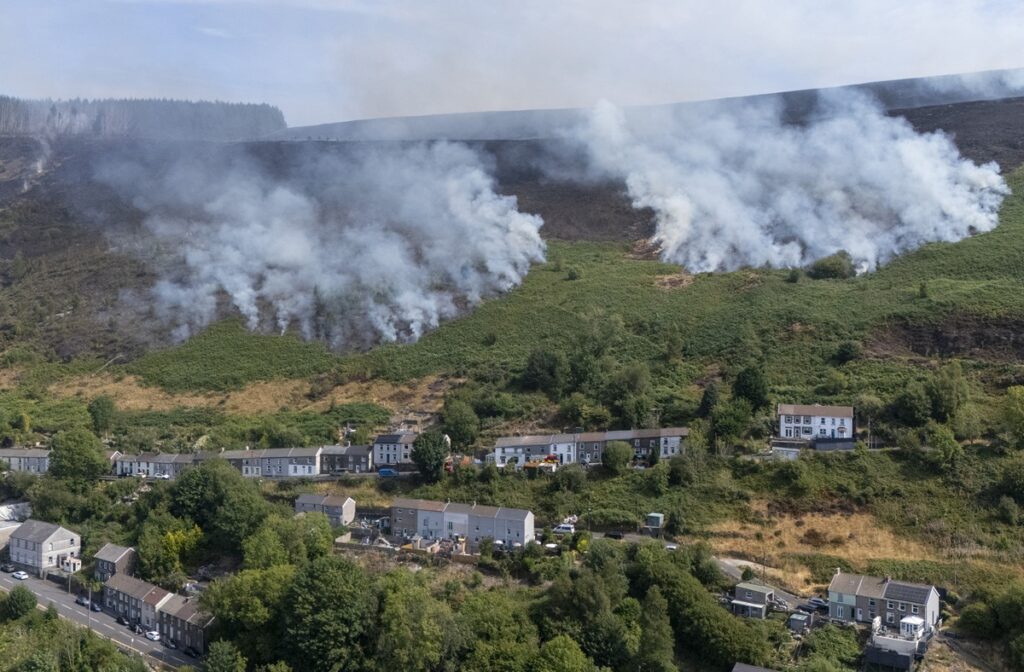
Analysis of indoor air quality monitors in Greater Manchester during July’s hot, dry weather when wildfires were burning in the nearby Pennine hills, also shows opening windows during the heat exacerbates air pollution in homes.
The early findings by the University of Manchester’s cystic fibrosis hub air quality research team looked at real time indoor air quality records from 23 homes between July 1 and 26 during two periods of moorland fires at Tintwistle and Dove Stone, near the city.
Every monitored home, part of a Cystic Fibrosis Trust-funded study, exceeded the World Health Organisation’s 24-hour guidelines for fine particle pollution (PM2.5) on July 17 when outdoor smoke levels peaked, the researchers said.
The preliminary analysis, which has not yet been peer reviewed, also showed that as indoor temperatures climbed to 33C, the problem of pollution in homes worsened as households opened windows to cope with the heat.
Overnight bedroom levels of PM2.5 soared from an average of 2.7 micrograms per cubic metre, to 7.8 micrograms with windows closed and 11.8 with the windows open.
The particulate pollution generated by the fires is small enough to travel deep into the lungs, where they can harm health, the researchers warn.
Pollutants such as PM2.5 are linked to a range of problems from asthma, lung and heart conditions, including increasing the risk of heart attacks and strokes, to stunted lung growth in children and dementia.
The researchers said the UK Health Security Agency’s advice on wildfire smoke – staying indoors and closing windows should help with pollution.
But, one of the researchers from the University of Manchester, Professor Alex Horsley, said: “These findings show the difficult challenges that people face during periods of wildfires and high environmental temperatures.
“Following the simple but often repeated instruction of going indoors and shutting the windows will only give you some protection from wildfire smoke, and keeps heat in the home.
“Both smoke and heat can make breathing worse for those with chronic lung conditions.
“During July’s fires, in every home we monitored we found the effects of smoke was present indoors at potentially harmful concentrations levels, especially during periods when the heat forced people to open windows.
“We saw this in homes up to 60km away from the wildfires on the moors outside Manchester.”
Dr Thomas Bannan, lead Environmental researcher for the group, said: “The findings support advice to close windows while smoke levels are high, but show that this cannot completely prevent smoke infiltration and may increase the risk of overheating.”
He added: “We are now investigating practical measures, including air filtration and approaches to keeping homes cool, so that people – especially those with existing respiratory conditions – have better options during future extreme events such as these.”
The UK is facing increasingly frequent and severe wildfires, droughts and heatwaves fuelled by climate change, mostly caused by burning fossil fuels in power plants, vehicles, home heating and industry.
Support our Nation today
For the price of a cup of coffee a month you can help us create an independent, not-for-profit, national news service for the people of Wales, by the people of Wales.
Get more trusted Welsh news
Choose Nation.Cymru as a preferred source in Google News to see more of our journalism.


