

Wildlife trust dispels five common wildfire myths as blazes hit Wales
Nation.Cymru Staff
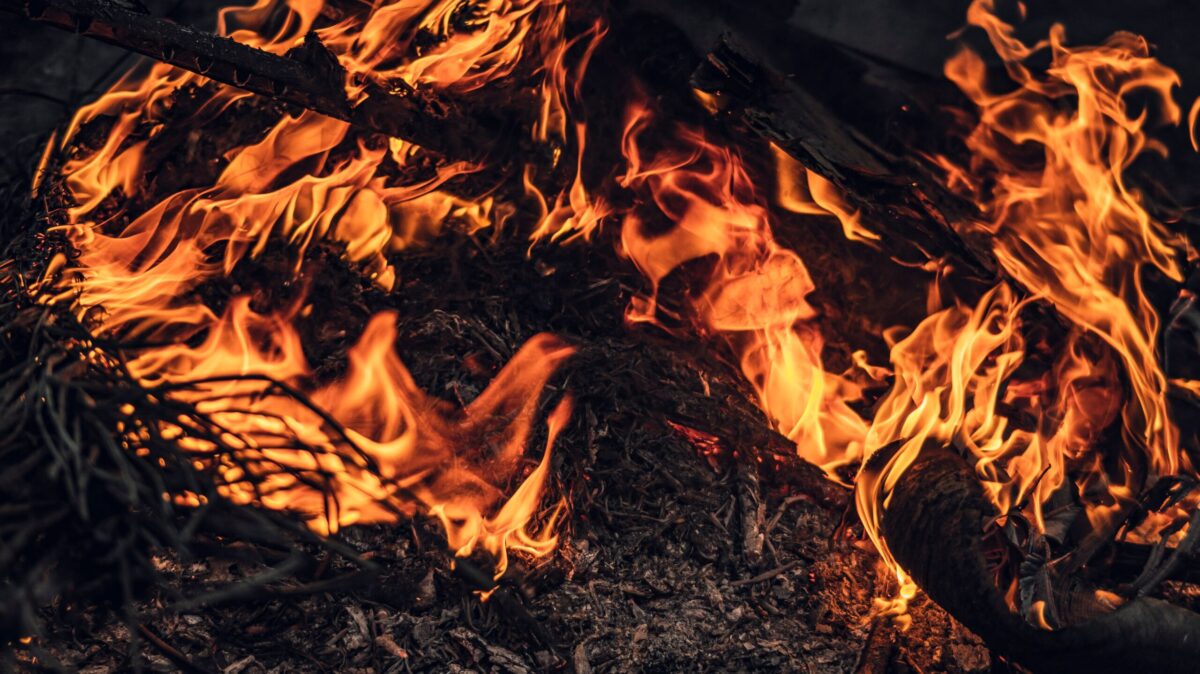
A Welsh wildlife trust has sought to dispel some of the most common myths surrounding wildfires following a series of devastating blazes across south Wales.
Following recent fires in Ebbw Vale, Blaenavon and Llangynidr, Gwent Wildlife Trust has explained how wildfires start, the damage they can cause to wildlife and why some commonly held beliefs about them can be misleading.
In the article, Debunking 5 Wildfire Myths, Abi Davies begins with the belief that wildfires occur naturally, instead saying that between 85 – 90% of wildfires break out as a result of human activity.
While some fires do start naturally, such as when dry grass or shrubs are struck by lightning during storms, the most common causes are bonfires, BBQs, fireworks, discarded cigarettes, and littered glass.
Some supermarkets such as Co-op, Tesco, and Sainsbury’s have paused sales of disposable bonfires during the summer’s heatwaves, and Prime Minister Andy Burnham has urged other retailers to follow suit after the UK Government’s emergency Cobra committee on Friday 14 August.
Gwent Wildlife Trusts also advises against cigarettes outdoors, and being careful with litter as glass can cause fires through solar refraction and other materials can ignite and amplify fires.
For the second myth, ‘Climate change isn’t causing wildfires’, Abi writes: “Hotter temperatures increase the risk of ignition, whether natural or human-caused. Meanwhile, drier conditions mean fires can spread much faster, as grasses and plants contain less moisture.
“Although extreme weather patterns may not be directly igniting wildfires, they are creating hotter, drier conditions that make wildfires in the UK more likely and more dangerous.”
The increased risk has also prompted warnings from the Welsh Government, with Siân Gwenllian MS reaffirming its commitment to ensuring Wales is “resilient to the impacts” of climate change.
She said: “Although wildfire has long been a serious risk in many parts of Wales, climate change increases that risk, especially during summer heatwave conditions.”
The Trust also sought to address misconceptions around the impact of wildfires on wildlife, including the idea that birds can simply fly away from danger.
While birds may be able to escape the flames themselves, Abi warns that the effects of a wildfire can continue long after the fire has passed.
During nesting season, fires can destroy nests and eggs and kill chicks which are unable to fly. Alongside this, the loss of vegetation can leave surviving birds without food or shelter.
Smoke and air pollution can also affect birds’ respiratory systems, while potentially disorientating them or disrupting migration routes.
As for the fourth myth, wildfires are good for heathland, Abi writes: “The extreme heat can kill wildlife, destroy plants, and scorch soil beyond what nature can regenerate, damaging the entire ecosystem.”
While controlled burning has historically been used to manage some moorland and heathland, it is generally carried out during colder months and under carefully managed conditions.
Wildfires during periods of drought can burn far more intensely, destroying organic matter in the soil as well as the vegetation above it.
Natural Resources Wales warned that where intense fires burn through vegetation and into peat-rich soil, habitats can take hundreds of years to fully recover.
NRW’s Nick Thomas said the severity of the damage depends “on how deep the fire goes. If a fire burns into the soil and incinerates the soil… then you’ve lost hundreds of years worth of soil.”
He pointed to a wildfire on Mynydd Llantysilio in 2018, where around 10cm of peat was lost in some areas and large patches remained without heather eight years later.
Finally, the Trust debunks the misconception that “nature reserves and rewilding projects increase wildfire risk, with some critics pointing to the fact that many wildfires start on nature reserves”.
Nature reserves may face a greater risk of wildfires because they are open to the public, increasing the chances of fires being accidentally started by human activity.
However, natural landscapes can also help reduce the effects of climate change by storing carbon, lowering local temperatures and retaining water, making their protection an important part of adapting to a changing climate.
“In reality,” writes Abi, “nature is the victim, not the cause.”
Support our Nation today
For the price of a cup of coffee a month you can help us create an independent, not-for-profit, national news service for the people of Wales, by the people of Wales.
Get more trusted Welsh news
Choose Nation.Cymru as a preferred source in Google News to see more of our journalism.



Can’t wait to see Gareth Wyn Jones have another absolute meltdown about this