

Wildlife Trust takes new Welsh island into their care
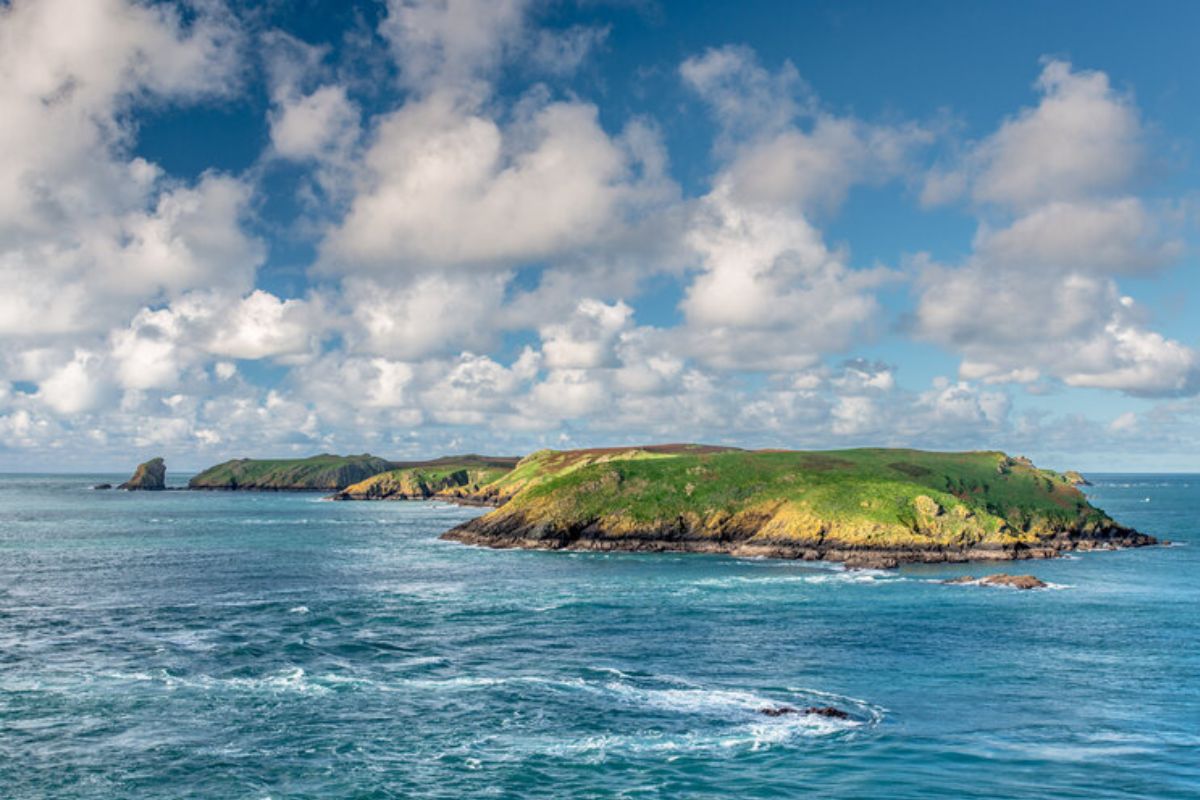
One of Wales’ most important seabird islands is set to receive dedicated conservation protection under a new 20-year management agreement.
The Wildlife Trust of South and West Wales (WTSWW) announced that they have received a 20-year lease of Middleholm Island from National Trust Cymru.
Middleholm will become the fifth island in the care of WTSWW, joining Skomer, Skokholm, Cardigan and St Margaret’s.
Also known as Midland Isle, Middleholm lies between Skomer Island and the Marloes Peninsula, off the south-west tip of Pembrokeshire.
The rocky islet is a “hugely important” part of the Skomer, Skokholm and the Seas off Pembrokeshire Special Protection Area (SPA).
Sixteen thousand pairs of Manx Shearwaters, a small population of Puffins and all three large gull species breed on Middleholm. The island’s cliffs are also home to nesting Guillemots, Razorbills, Shags and Great Cormorants.
With 630m between the mainland and Middleholm, and just 100m between Middleholm and Skomer, the ‘stepping stone’ island is considered vital to protecting seabird populations.
Ensuring that Middleholm remains free of invasive ground predators, like rats, is essential to protect seabird colonies on both islands. Surveillance stations and trail cameras are also in place to detect any invasive predators.
Lisa Morgan, Head of Islands and Marine Conservation for WTSWW, said: “WSTWW already manages Skomer and neighbouring Skokholm Island, so bringing Middleholm into the fold allows us to have better control over biosecurity measures.
“Bringing all the SPA island seabirds under our responsibility gives us full oversight of the internationally important Manx Shearwater population.”
Together Middleholm, Skomer and Skokholm boast half of the world’s population of Manx Shearwaters — elusive seabirds that return to the islands every year from South America to raise chicks in underground burrows.
Of the three islands, Middleholm has the densest colony, with 1,839 pairs of Manx Shearwaters per hectare.
Unlike Skomer and Skokholm no grazing animals, including rabbits, are present on the island, allowing WTSWW teams to compare the populations of the burrow-nesting seabirds under different conditions, and find out what habitats they prefer.
The WTSWW island team have been helping National Trust Cymru with seabird monitoring of Middleholm for many years, and management decisions for the island have always been guided by the WTSWW’s Islands Conservation Advisory Committee.
WTSWW will now produce a management plan for the island based on the advice of that expert panel, which will continue to include the local National Trust Cymru team in Pembrokeshire.
Lisa Morgan, Head of Islands and Marine Conservation for WTSWW, said: “We’ve been working with National Trust Cymru for many years in and around Middleholm, because of its proximity to Skomer and the seabird expertise within our team.
“We’re excited to bring Middleholm into our care and will continue to monitor and protect the impressive seabird populations it supports.”
James Roden, National Trust Cymru’s Restore Nature Delivery Manager for Pembrokeshire and Carmarthen Bay, added: “Middleholm may be a small island but its importance for seabirds far outweighs its size. This partnership builds on many years of successful collaboration between National Trust Cymru and The Wildlife Trust of South and West Wales, helping to ensure the island and its wildlife remain protected for future generations.”
The Wildlife Trusts of South & West Wales hopes to see 30% of land and sea managed for nature by 2030, with the Middleholm partnership taking them one step closer to this goal.
Due to the rugged terrain and fragile network of burrows, no visitors are allowed to land on Middleholm, but the Deer Park, cared for by National Trust Cymru, on the Marloes Peninsula offers beautiful views of the island.
Visitors are encouraged to take a pair of binoculars and look out for seabirds on the island, including Puffins from April to July, especially when en route to Skomer.
For more information on The Wildlife Trust of South & West Wales, visit their site here.
Support our Nation today
For the price of a cup of coffee a month you can help us create an independent, not-for-profit, national news service for the people of Wales, by the people of Wales.
Get more trusted Welsh news
Choose Nation.Cymru as a preferred source in Google News to see more of our journalism.


