


Winter works protect island in preparation for spring return of seabirds
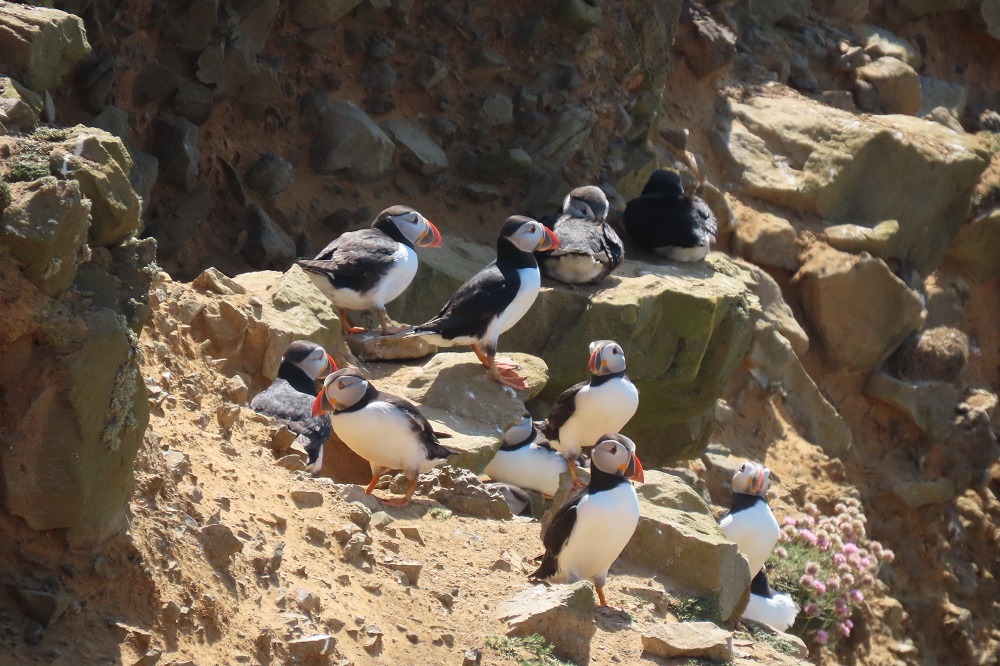
A major winter engineering project has been carried out on one of Wales’ most important wildlife islands to ensure it is ready for the return of hundreds of thousands of seabirds this spring.
Skomer Island, located less than a mile off the Pembrokeshire coast, is internationally renowned for its rich biodiversity and attracts around 25,000 visitors each year. It is home to the largest breeding puffin colony in southern Britain and the world’s biggest population of Manx shearwaters, with an estimated 350,000 pairs nesting on the island.
Owned by Natural Resources Wales and managed by the Wildlife Trust of South and West Wales, Skomer is designated both a Site of Special Scientific Interest and Wales’ only Marine Nature Reserve.
As spring approaches, the island is once again coming to life. Alongside its globally significant seabird populations, the surrounding waters are home to Atlantic grey seals, porpoises, dolphins and occasionally whales, while on land species such as the unique Skomer vole and large numbers of rabbits help maintain the island’s ecology.
But behind the scenes, work has been taking place to ensure the island’s infrastructure can support conservation efforts and daily operations during the busy season.
During February, a team led by Natural Resources Wales carried out essential repairs to a key access track linking the North Haven slipway — the main landing point — with the rest of the island.
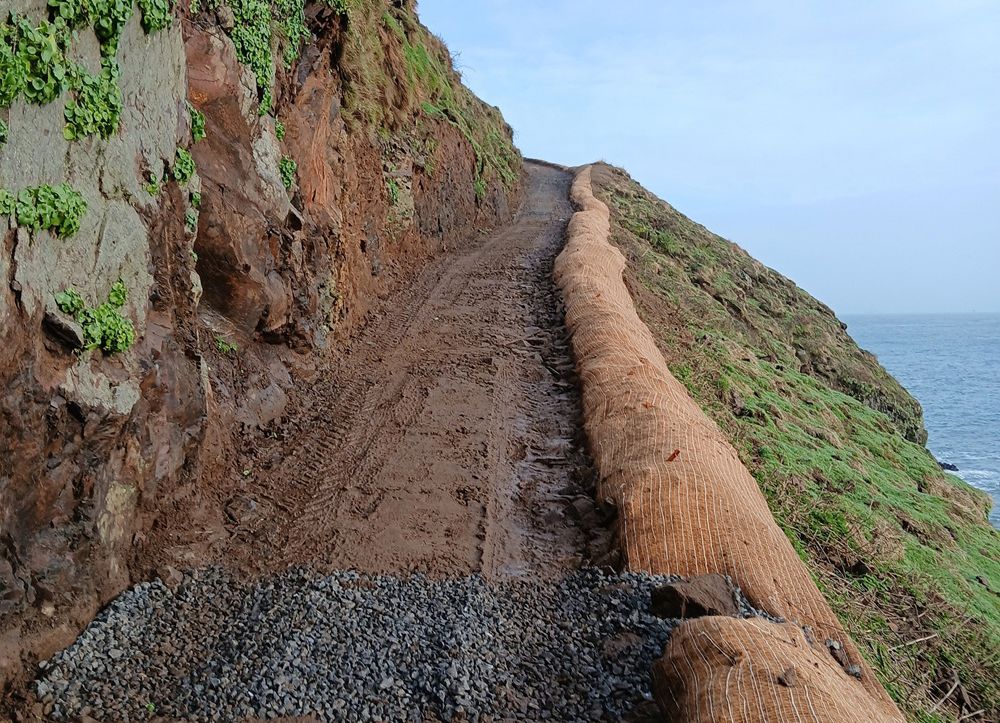
The route is vital for transporting supplies, equipment and materials used by wardens and volunteers who live on Skomer between March and November to monitor and protect its wildlife.
NRW Senior Civil Engineer James Brock said sections of the track had become dangerously eroded due to the island’s exposed conditions.
“Skomer has been owned by Natural Resources Wales and its predecessor bodies since 1959, and it’s an incredibly important site both environmentally and operationally,” he said.
“Our job was to upgrade the narrow, weather-damaged access track leading from North Haven. It’s an essential route for transporting supplies needed by staff living and working on the island.”
He added: “The track had become severely eroded and was getting very close to the cliff edge in places, creating real safety concerns for vehicle movements.”
Nesting seabirds
Work included widening the track, improving drainage and installing protective bunding along the edge. However, the project had to be carefully timed to avoid disturbing nesting seabirds, meaning it was carried out during a narrow winter window before the breeding season began.
“We began work on 7 February and had to complete everything before seabirds returned to nest,” Mr Brock said.
“We only had five or six good working days because of the weather. Even after finishing, we had to stay on the island for a few extra days as conditions were too rough for us to leave.”
The remote location presented significant logistical challenges, with all plant, materials and personnel transported by barge.
Environmental safeguards
The project also required strict environmental safeguards to protect the island’s fragile ecosystem. Measures included using biodegradable materials, avoiding plastics and ensuring no invasive species were introduced.
“We had to tread a fine line between carrying out the work safely and protecting the landscape for wildlife,” Mr Brock said.
“That included strict biosecurity checks — even using a specially trained dog to detect any rats that might have been hiding in equipment, which could have been disastrous for the island’s bird populations.”
He added: “Spending two weeks on a windswept island in the depths of winter isn’t easy, but working with a skilled and committed team made all the difference.”
Skomer’s warden team, led by Leighton Newman, supported the work, with preparations now turning to the arrival of seabirds and visitors in the weeks ahead.
Each summer, tens of thousands of visitors travel to the island to witness its extraordinary wildlife.
Officials say the improvements will help ensure Skomer remains both accessible and protected — supporting vital conservation work while safeguarding one of Wales’ most treasured natural environments.
Support our Nation today
For the price of a cup of coffee a month you can help us create an independent, not-for-profit, national news service for the people of Wales, by the people of Wales.



Love this island!