


World climate is more out of balance than any time in observed history, UN warns
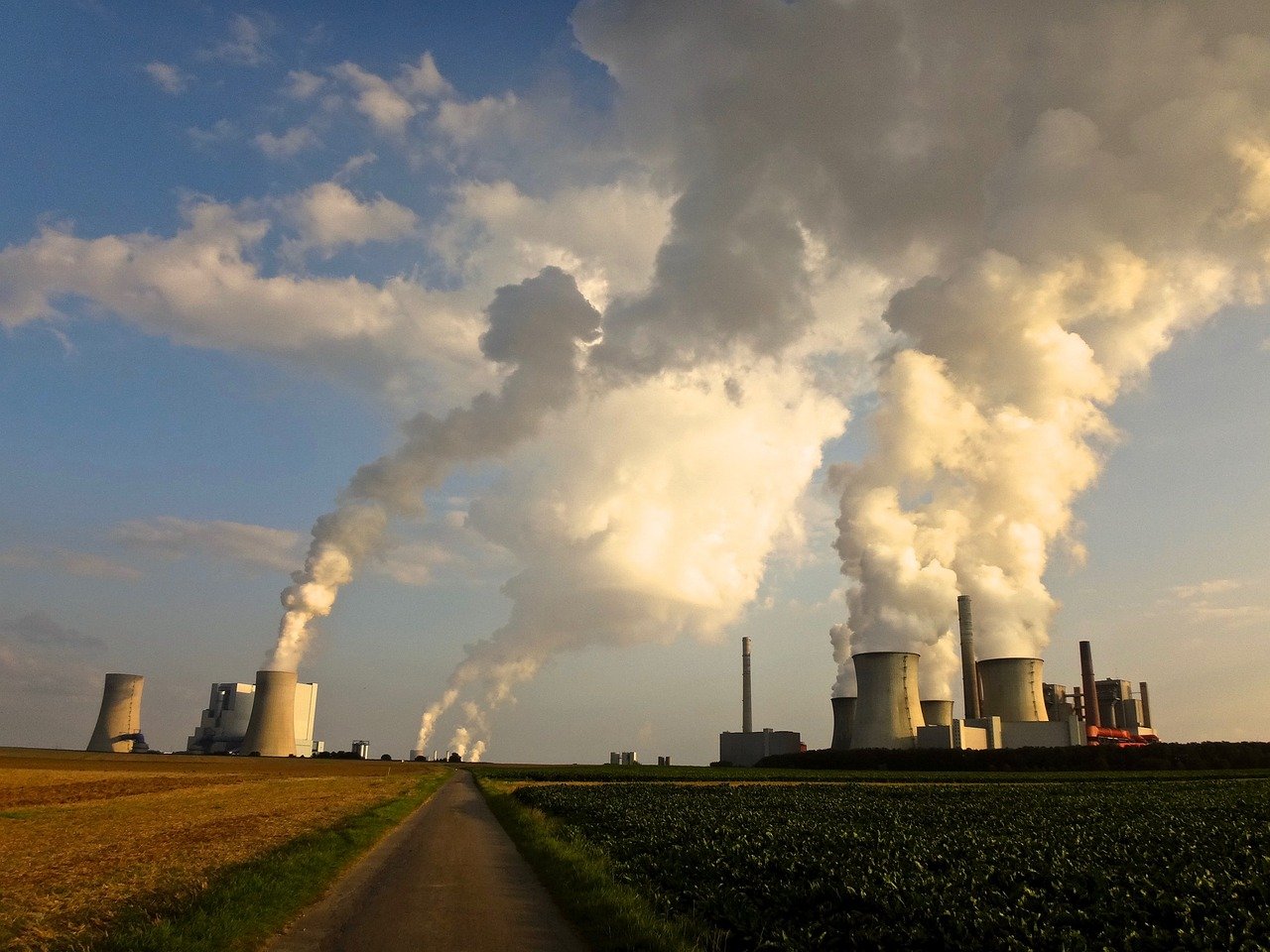
The world’s climate is more out of balance than at any time in observed history as rising greenhouse gas concentrations in the atmosphere drive global warming and melt ice, UN scientists have warned.
Intense heatwaves, heavy rainfall, wildfires, drought, tropical cyclones, storms and flooding caused widespread deaths, disruption and devastation in 2025, affecting millions of people and driving vast economic losses, the World Meteorological Organisation (WMO) said.
The UN’s weather and climate body released its annual “state of the global climate” report on Monday with yet another warning that Earth has seen rapid and large-scale changes in recent decades.
These will now have harmful repercussions for centuries, the scientists warned.
UN secretary-general Antonio Guterres said the global climate is in a “state of emergency”.
“Planet Earth is being pushed beyond its limits,” he said. “Every key climate indicator is flashing red.”
In the report, the WMO confirmed 2015 to 2025 as the hottest 11 years on record, and last year as the second or third hottest year on record – depending on the dataset.
The global average temperature last year was about 1.43C above the 1850-1990 pre-industrial average.
This means the world is getting ever closer to long-term average temperatures breaching the key warming threshold of 1.5C – beyond which increasingly severe compounding climate impacts are triggered.
While 2024 was found to be the warmest year on record, this was partly driven by the warming “el nino” weather phenomenon.
While the world is now seeing cooler “el nina” conditions, forecasters recently warned that another “el nino” peak could be seen towards the end of 2026.
WMO scientist John Kennedy said: “If we transition to el nino, we will see an increase in global temperature again, and potentially to record levels (in 2027).”
For the first time, the annual report includes the Earth’s energy imbalance – a measure of the rate at which energy from the sun enters and then leaves its system – as one of the key climate indicators.
Under a stable climate, incoming energy is about the same as the amount of outgoing energy.
However, the scientists found that Earth’s energy imbalance reached a new high in 2025 after increasing since observational records began in 1960, particularly in the past 20 years.
It comes as concentrations of heat-trapping greenhouse gases – carbon dioxide, methane and nitrous oxide – have risen to their highest level in at least 800,000 years.
WMO secretary-general Celeste Saulo said: “Human activities are increasingly disrupting the natural equilibrium and we will live with these consequences for hundreds and thousands of years.
“On a day-to-day basis, our weather has become more extreme.”
The warming of the atmosphere, including near the Earth’s surface – the temperatures that humans feel – represents just 1% of the excess energy, while about 5% is stored in the continental land masses.
Meanwhile, heat in the ocean stores more than 91% of the excess heat in the Earth’s system and was found to have reached a record high in 2025, with its rate of warming more than doubling between the period of 1960-2005 to 2005-2025.
The accelerating amount of heat being captured in the deep ocean means the world is moving to timescales of committed climate change for centuries, the WMO added.
This dynamic is also seen in ice sheets, which can take hundreds to thousands of years to build back mass.
The ice sheets on Antarctica and Greenland both lost significant mass, and the annual average Arctic sea-ice extent for 2025 was the lowest or second lowest on record in the satellite era, according to the report.
The warming ocean and melting ice are driving the long-term rise in global mean sea level, which has accelerated since satellite measurements began in 1993, it said.
And as the ocean heats and absorbs more carbon, acidification also accelerates, with the decline in deep ocean pH now being irreversible on centennial to millennial time scales.
Elsewhere, the report highlights the cascading impacts extreme weather events are having on communities around the world, including food insecurity, displacement and the health risks driven by shifting rainfall patterns, such as the mosquito-borne dengue disease and heat stress.
But it also outlined how climate data, early warning systems and integrated climate services for health can protect people in a warming world.
The report is based on scientific contributions from National Meteorological and Hydrological Services, WMO Regional Climate Centres, United Nations partners and dozens of experts.
Support our Nation today
For the price of a cup of coffee a month you can help us create an independent, not-for-profit, national news service for the people of Wales, by the people of Wales.


