


Younger people wanting an assisted death could face stronger assessments
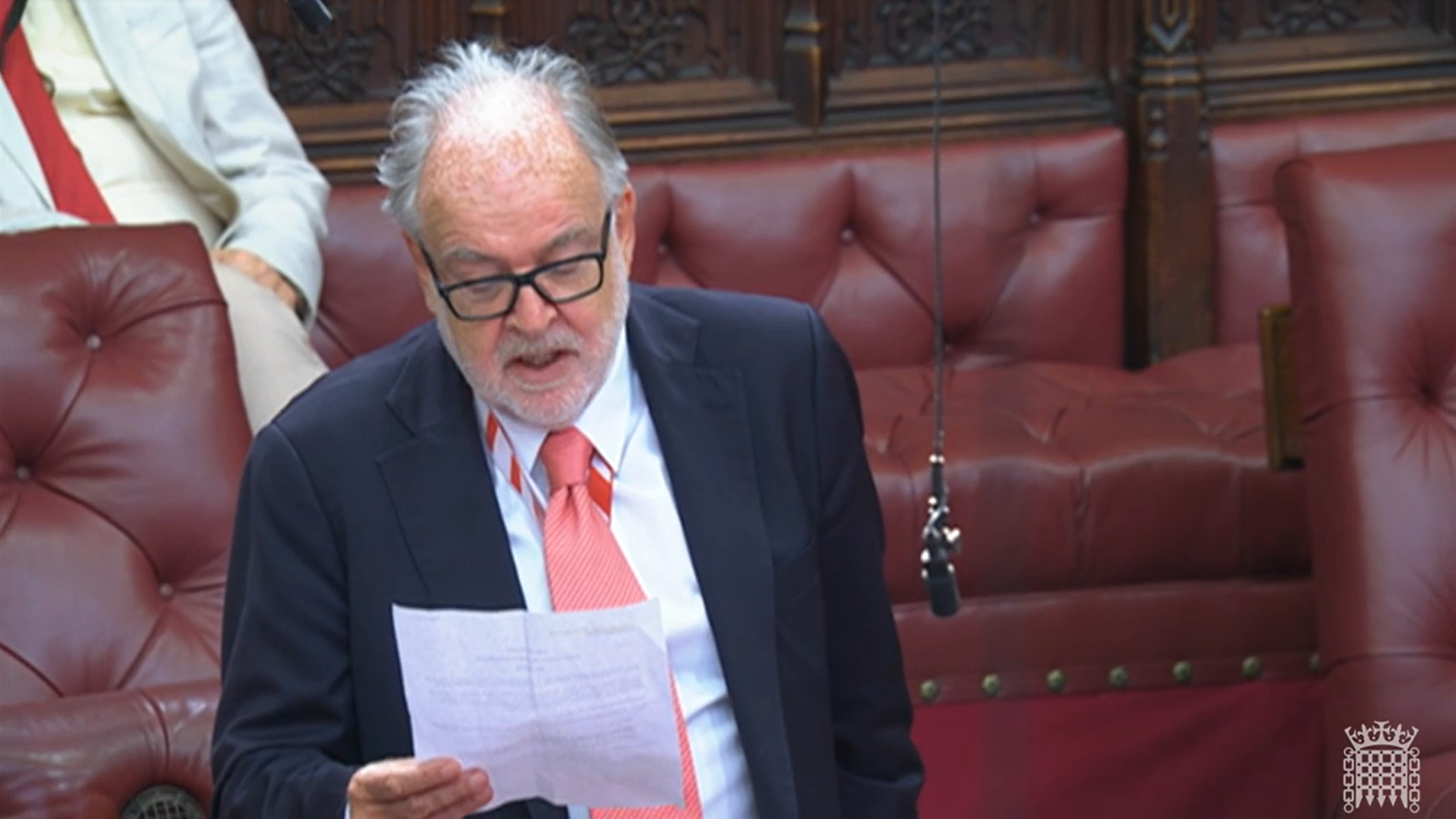
Stronger assessments could be brought in for young people who are seeking an assisted death, Parliament has heard, as calls to raise the minimum age were made.
Lord Falconer of Thoroton, who is shepherding the Terminally Ill Adults (End of Life) Bill through the upper chamber, told peers a “more intense assessment” could apply to those aged between 18 and 25.
This followed calls from paediatrician Baroness Cass and the former president of the British Medical Association (BMA), Baroness Finlay of Llandaff, for a more “in-depth” process for under-25s.
Labour peer Baroness Berger had tabled an amendment to the controversial draft law, proposing the minimum age for an assisted death be raised from 18 to 25.
She argued the Bill as it currently stands sends a “dangerous message” that 18-year-olds are ready to choose and plan their own deaths.
The Children’s Commissioner supported the suggested change, arguing the legislation currently “fails to recognise the protection we grant children who face complexity and adversity until age 25”.
Independent crossbencher Lady Finlay suggested “an enhanced assessment of those between 18 and 25” could be required if the age limit is not be changed.
She added: “The evidence is that cognitive reasoning is well developed at the age of 18, but the other aspects being sensitive to stress, social influence, impulse control and emotional regulation don’t develop by that age, and they carry on developing.
“And the evidence is that they carry on up until 25.”
Independent crossbencher Lady Cass, also known as Dr Hilary Cass who led the Cass Review on NHS gender identity services, said she supported the proposal for an “enhanced and careful assessment”.
Responding, Lord Falconer said the “thinking behind 18 is that 18 is the age at which you can make your own decisions about medical care”.
The Labour former minister added: “I am very, very aware of the fact that if you’re 18, you may be more emotionally impulsive, you may be more easily influenced than somebody of 25 or 24 or 23.
“Equally, anybody who has had contact with people who are young, who are terminally ill, you will find some 18-year-olds are incredibly thoughtful and mature, and some 18-year-olds are not, for obvious reasons.”
In an apparent concession, he went on to say: “I think still 18 is probably the right age, but I’m very influenced by what Baroness Finlay and Baroness Cass have said, that maybe the answer is some assurance that there is a more intense assessment in relation to people between 18 to 25.”
He added: “I’m not saying I’m going to change the age of 18, but I’d say, do we need a more thorough assessment for people between 18 and 25.”
Following Lord Falconer’s commitment to discuss the issue further with Lady Cass and Lady Finlay, Lady Berger, the former MP for Liverpool Wavertree, withdrew her amendment.
Outside of the chamber, the Commons’ youngest MP Sam Carling criticised Lady Berger’s amendment, branding it as “patronising.”
The Labour MP for North West Cambridgeshire said: “The suggestion that adults under the age of 25 are not capable of weighing up complex information or making a clear, informed decision about the end of their lives is patronising in the extreme.
“I say this not only as a serving Member of Parliament, but as a 23-year-old.
“It would mean that, should I find myself in the unenviable position of facing a terminal illness in the next two years, the law and medical professionals would be satisfied that I could decide to stop life-prolonging treatment, refuse food and water, take my own life or travel to Dignitas, but not to request medical help to die swiftly and peacefully.
“This measure is not in place anywhere in the world that allows assisted dying, nor is it found in our country’s legislature on any issue to my knowledge.
“It is cruel, discriminatory and should not be passed – not for my sake but for terminally ill adults across the country who must have equal access to safe, compassionate choice as they die.”
Ahead of Friday’s debate, Children’s Commissioner Dame Rachel de Souza said: “Under this Bill, people that children love will choose to end their own lives. They will need compassion and support to navigate the complexity of that grief.
“And it will shape the way they think about their own lives and deaths, especially those with disabilities, additional vulnerabilities or life-limiting conditions who have shared with me their worries of being treated as ‘lesser’.
“That’s why I am calling on the Government to support the proposed amendment by Baroness Berger to extend the minimum age as drafted in this Bill from 18 to 25.
“Not to do so fails to recognise the protection we grant children who face complexity and adversity until age 25 across all areas of their lives, rights which are enshrined in law. This is too significant a subject not to err on the side of caution.”
MPs supported the assisted dying Bill at every stage in the Commons, before it was sent to the Lords for further scrutiny.
Peers have faced accusations of derailing the legislation, after they tabled a record number of suggested changes to a piece of backbench legislation.
The UK Government’s Chief Whip, Lord Kennedy of Southwark, encouraged peers to “make much more progress to ensure that a wider range of important amendments can be scrutinised in the time available,” as he opened the third day of committee stage in the chamber.
Support our Nation today
For the price of a cup of coffee a month you can help us create an independent, not-for-profit, national news service for the people of Wales, by the people of Wales.


