
African roots, Welsh home – what independence means to both our peoples
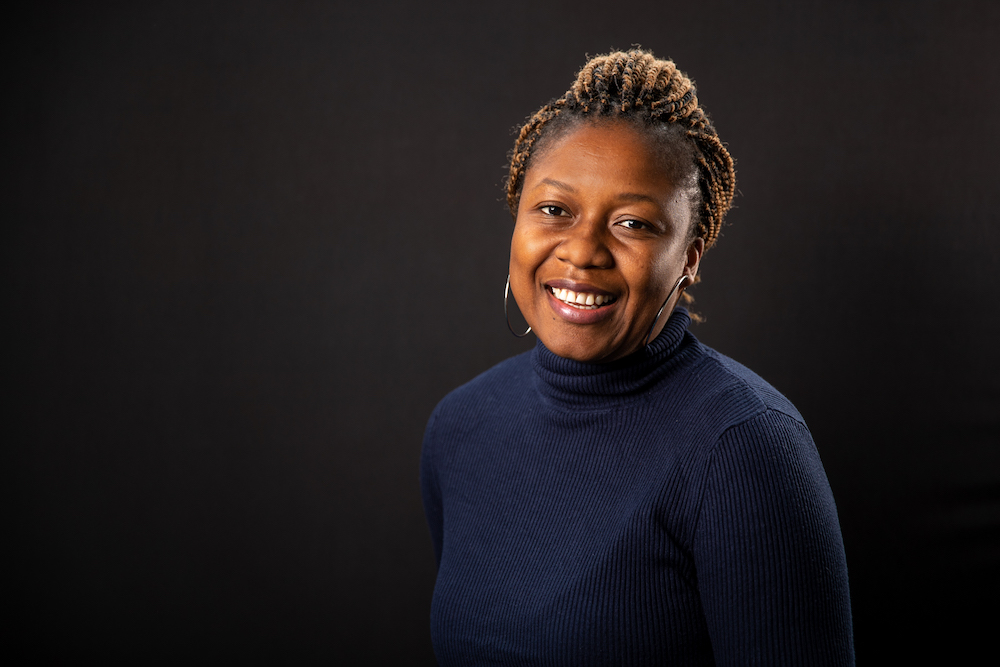
Adisa Amanor-Wilks
When I started learning Welsh, I didn’t expect it to feel like coming home.
I’m Ghanaian-British. My father is Dagomba, my mother Ewe. Growing up, we spoke three languages as naturally as breathing – Ewe with my mother, English with my father, and when I stayed with my auntie, she insisted we speak Dagbani.
My mother loved cooking. Our house was always full of it – the smell of spices, the sound of her voice telling stories in Ewe while she worked. Food and language were inseparable for her. When she cooked, she was saying: you are Ewe. You belong to something. You come from somewhere. Language was love. It was identity. It was refusal.
My grandmother lived to nearly a hundred, and she carried that same fire. Our house was always full because of her – full of food, full of people, full of the unspoken knowledge that who we are matters. That where we come from matters. My dad, too, was fiercely proud. Pan-African. He taught me that being African wasn’t something to apologise for – it was something to carry with pride, to celebrate, to pass on.
I carried all of them with me when I left Ghana. And I carried that lesson – that language and food and identity are never separate things. They’re woven together. They’re survival. They’re love.
Then I moved to Wales. And I recognised that same fire in other people’s eyes.
The first time I sat in a Welsh language church service, I felt it. People praying yn Gymraeg, singing yn Gymraeg, and the words weren’t just sounds – they were spiritual. There was passion. There was heart. There was the same fierce insistence that this language, this identity, this way of being matters. It has to matter.
That’s when I understood: my mother insisting on Ewe at the dinner table, my grandmother filling our home with food and belonging, my father’s pan-African pride – and these Welsh speakers fighting to keep yr iaith alive – they were all the same fight.
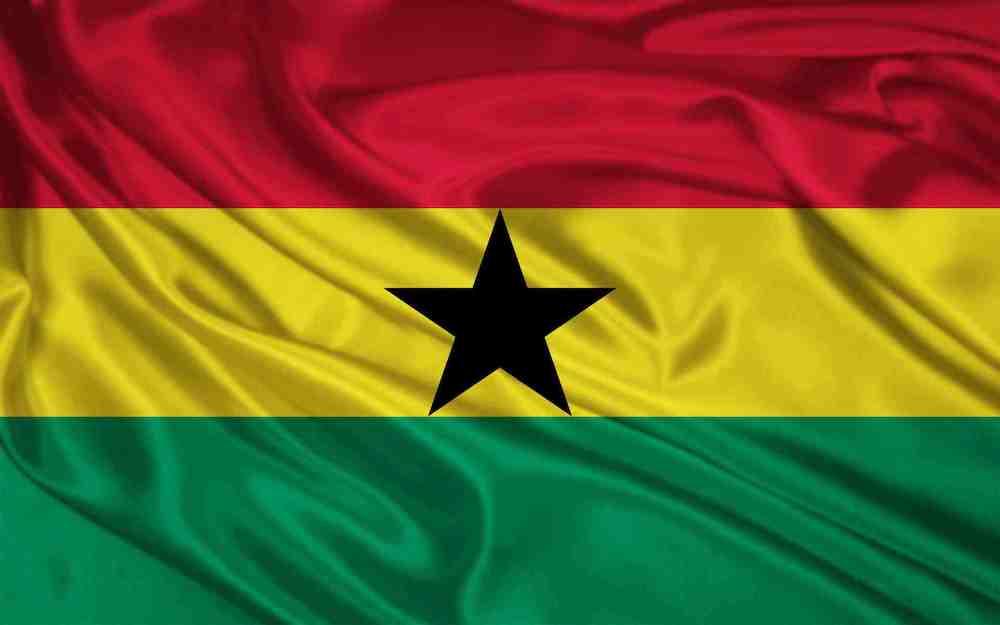
Ghana won independence in 1957 – the first sub-Saharan African nation to break free from colonial rule. Kwame Nkrumah declared: “We are going to demonstrate to the world that the African is capable of managing his own affairs.” But independence wasn’t just about flags and governments. It was about the right to exist as yourself. To speak your language. To raise your children in your own culture without apologising. To fill your home with food and stories and pride.
Wales is still on that journey. And the more I learn about Welsh history – the suppression of yr iaith, the extraction of resources, the quiet erasure of identity – the more I see my own people’s story reflected back at me.
We have both been colonised. We have both been told our languages are backwards, our cultures provincial, our people less than. We have both watched our young people leave for cities that promised opportunity but cost them their roots. We have both, stubbornly and beautifully, refused to disappear.
When I came to the Amman Valley, I felt something I hadn’t expected to feel again after leaving Ghana – that sense of home. Not because the landscape is the same, but because I could feel it. The passion. The determination to hold onto something precious. The refusal to let a dominant culture erase who you are. It felt like my mother’s kitchen. It felt like my grandmother’s table. It felt like my father’s pride, alive and breathing in other people’s choices.
Rhyddid – freedom. That’s what both our peoples are fighting for. Not just political independence, but the freedom to be fully ourselves. To speak. To gather. To cook. To pass on what matters to the next generation.
This is why I’m opening Baobab Cymru.
In my family, we gathered around food. My mother’s kitchen was where language came alive. Where identity wasn’t abstract – it was taste, smell, the warmth of being known and claimed and fed. My grandmother understood that a full table means a full life. My father understood that pride in where you come from gives you the strength to go anywhere.
Baobab Cymru will be that kind of space. A gathering place – croeso – where African and Welsh stories recognise each other. Where jollof rice and kelewele sit alongside Welsh language and Welsh pride. Where two peoples who have both fought for the right to exist can sit together and say: I see you. I know this fight. I’m with you.
Our kitchen will be a space where Welsh is not just welcomed but celebrated. Where dysgwyr like me can learn without embarrassment. Where church groups can meet yn Gymraeg. Where the passion I felt in that Welsh language service can spill out into everyday life – into how we cook, how we gather, how we teach our children who they are.
I don’t believe in borders the way maps draw them. I believe in people. I believe that my mother insisting on Ewe at the table, and a Welsh grandmother insisting her grandchild learns Welsh – they’re the same act of love. The same refusal. The same yes to identity. The same understanding that food and language and pride are how we survive. How we stay ourselves.
Ghana’s independence wasn’t the end of a story. It was the beginning. Wales is writing its own chapter now – yn araf bach (slowly but surely) – in the Senedd, in the homes, in the hearts of people who refuse to let their language die.
I want Baobab Cymru to be part of that story. A small corner of Carmarthenshire where the passion I felt from my auntie meets the passion I feel in a Welsh chapel. Where African roots and Welsh soil grow something together that neither could grow alone.
Croeso – welcome. Come and eat. Come and speak. Come and find the connections that have been waiting for us all along.
Adisa Amanor-Wilks is the founder of Baobab Cymru, a West African kitchen, cafe and art gallery opening in Llandybie, Carmarthenshire, on April 17. She is founder of Abjel Communications and is currently learning Welsh
Support our Nation today
For the price of a cup of coffee a month you can help us create an independent, not-for-profit, national news service for the people of Wales, by the people of Wales.



Caru hwn 👏👏
An amazing lady-I wish her every success in her venture
Gwych! Totally brilliant! Love this so much. This is Cymru! Not ugly souled Reform hate & selfishness.