


At last a PM who understands the need to change the voting system
Dr Keith Darlington
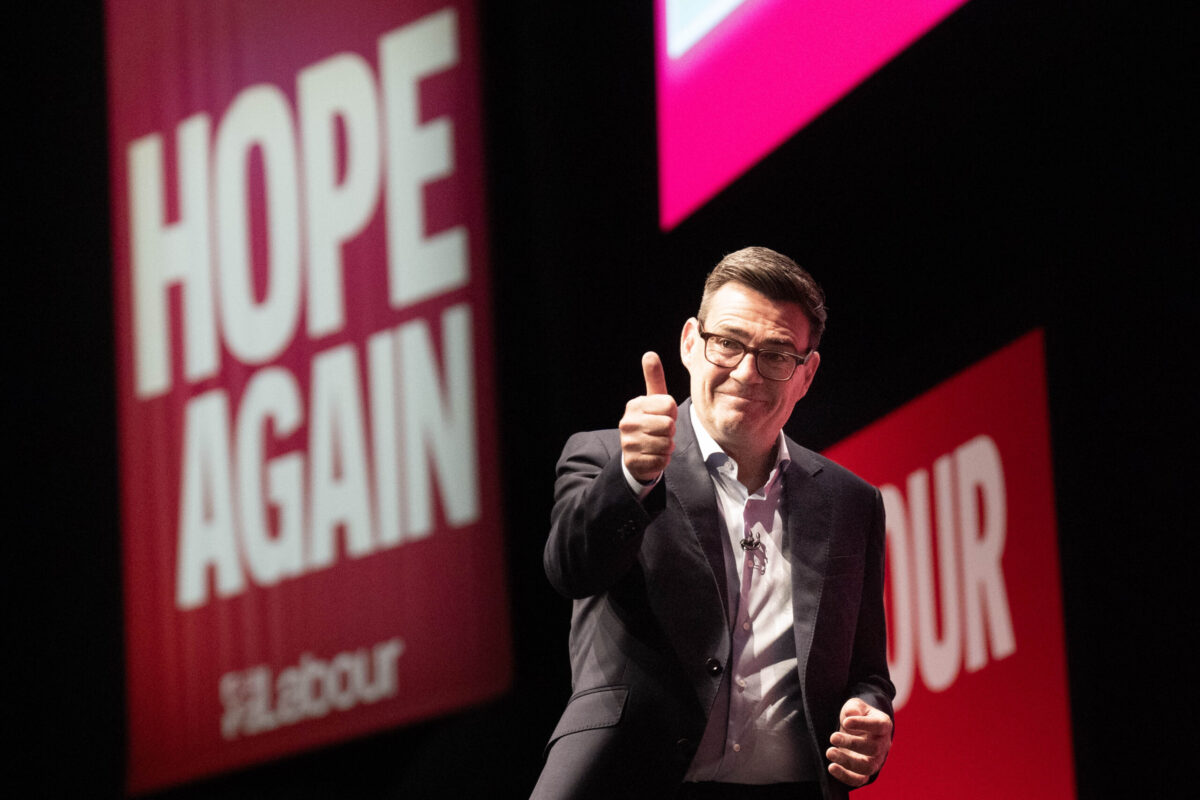
At long last, the UK has a PM that understands the need and urgency of changing the voting system. In his conference speech on September 29th , 2026, Burnham said that changing the voting system to proportional representation will be a manifesto commitment for UK Labour at the next general election.
Belarus aside, the UK is now the only country in Europe that continues to use a voting system known as First Past The Post (FPTP). This voting system is now so badly maligned, that there have been 7 forced changes of PM in the last decade. Yet, the advocates of FPTP told us that its strength was stability. FPTP is now anything but stable. As I show in this article, it may have been so once, but in a
multi-party age, it’s very unstable. It also leads to a divided, tribal, and short termism in politics that in recent decades leads to failure whoever is in power.
UK democracy is becoming reduced to a farce when a party, as Labour did, got less than 34% of the vote share but had a landslide majority with more than 63% of the seats in the UK general election of 2024. It gets worse because many polling simulations show that, at the next general election, a party could win a majority of seats with as little as 20% vote share. This would make a mockery of democracy and lead to an even more divided and dangerous politics. Without change whoever is in power could face political instability because a government chosen on such a low percentage does not have democratic authority.
FPTP only worked in an age of two party politics
The FPTP system may have functioned adequately after WW2.This was a time when only two main parties contested most of the seats. It worked well then because a winning party MP would often secure a vote share of 50% or more. That age has changed beyond recognition. Nowadays, hardly any party MP wins with more than 50% because several parties compete in a multi-party age, including Plaid Cymru, SNP, the Greens, Liberal Democrats, Reform, Labour, the Tories, as well as a plethora of independents. Furthermore, opinion polls show that the two main parties struggle to secure more than 50% vote share between them.
Both main parties have gained from FPTP during the last century
However, as bad as FPTP is, it has served the two main parties well, because it has given them absolute power in most elections. This is because it has a tendency to deliver a majority government. This means that both Labour and the Tories have been reluctant to change it because it may mean having to work with other parties and having fewer MPs in Parliament. Cooperating and sharing power with other
parties is, perhaps, understandably, not something they would want to do. But this leaves a legacy of tribal politics and a failure to solve problems in politics. Trust in politics is also at an all-time low.
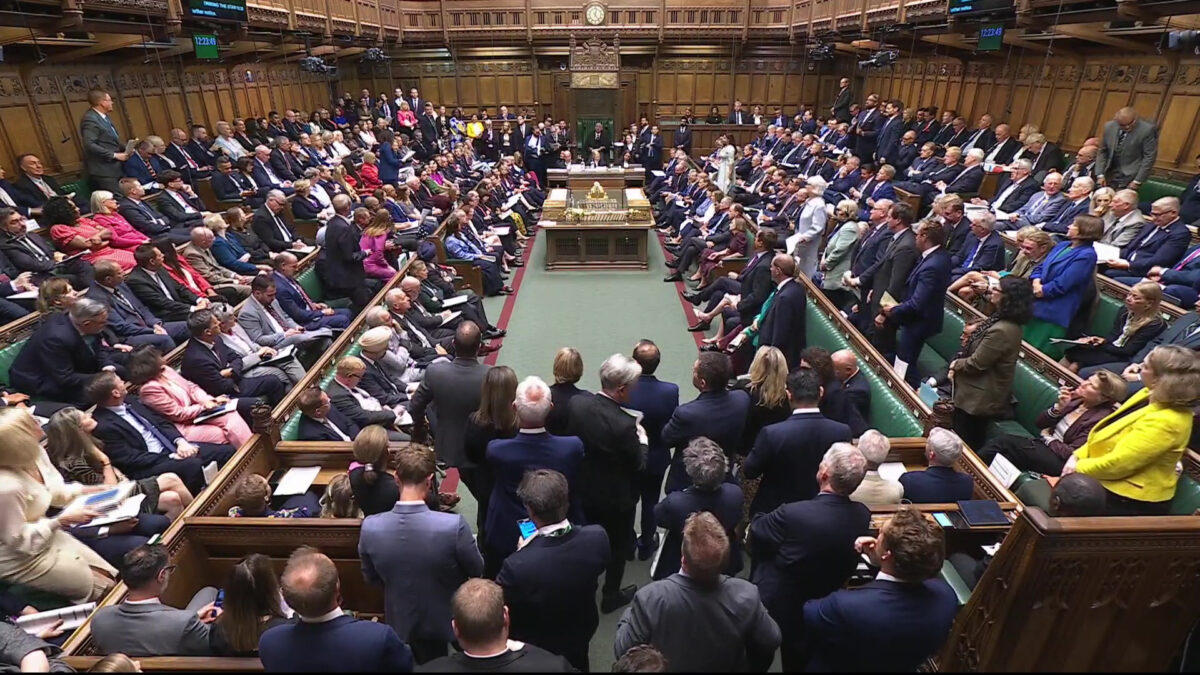
UK democracy is now determined not by the proportions of people who vote for a party but by the vagaries of an electoral system. Labour has done particularly well from this system in the last few decades. For example, they have polled an average of about 35% in the last five general elections; at the 2005 general election, they polled just 35.2% of those eligible to vote. Yet, at that election, they had a large majority of 55 seats, giving them absolute power. In the following 2010 election, the Tories had a greater vote share but had to make do with a coalition with the Liberal Democrats because they did not have enough seats to govern on their own.
This largely explains why many senior Labour figures are reluctant to contemplate change from FPTP – even though there are many problems with FPTP. There are those who say that Labour will not change the system because turkeys don’t vote for Christmas. Labour grandees like, Lord Blunkett, and influential Cabinet members like Angela Rayner still support FPTP. Rayner has previously dismissed calls for a national commission on electoral reform.
The problems with FPTP
There are many reasons why FPTP is a bad system. FPTP makes votes in many constituencies worthless – contributing to low turnouts in safe seats. FPTP encourages many to stay at home if they reside in a safe seat because they know that however they vote will not affect the outcome. This also encourages many to vote against their preferred candidate in some seats – so-called tactical voting. FPTP is unfair in underrepresentation of smaller parties, meaning alternative opinions do not get a fair hearing in Parliament. For example, the Greens got 6.7% vote share at the 2024 GE but only 0.6% of the seats. Reform had 14.3% vote share but only 0.8% of the seats.
There is also the absurdity of parties channelling all energy (and finances) into less than 50 marginal seats – because they are the seats likely to change hands and deliver a majority to the largest party. This means that less than 10% of voters in particular seats mostly determine election results.
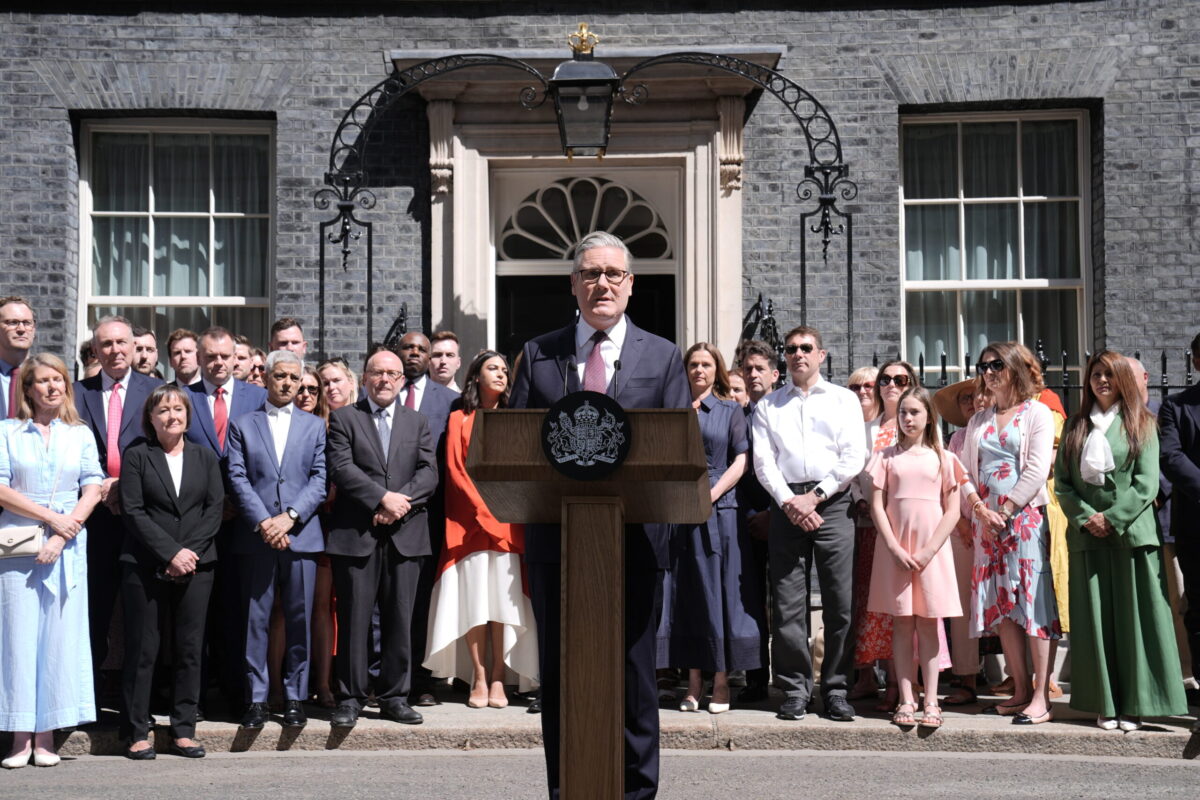
However, a more urgent reason, as already stated, is that FPTP has delivered very flawed outcomes that have unstable consequences. For example, the Starmer government came into office thinking that a super majority in Parliament would be enough to ensure delivery of their policies. Yet, it had the complete opposite effect because most of his MPs represented constituencies in which the majority of voters had not supported the Labour Party. Thus, when contentious measures — such as the reform of disability benefits or the winter fuel allowance — came before Parliament, many Labour MPs found themselves caught between party loyalty and the views of their own constituents. The result was a pattern of U-turns, prevarication, and internal incoherence that damaged the government’s standing within months of taking office.
This resulted in the eviction from office of Sir Keir Starmer, after serving less than half of his allowed term. He was not the first PM to experience this. Most of his six hapless predecessors experienced the same thing, and this chaotic instability could well continue unless changes are made to a fairer voting system. Contrary to some beliefs on the Labour side, sharing power with other parties would not dilute Labour’s policies but could improve them. Collaborating with parties like the Greens, SNP, Plaid Cymru, and the Lib Dems could give them the authority and support to invest, for example, in renewable energy
Abolish FPTP and change UK politics for the better
No voting system is perfect but FPTP is the worst possible system in that it fails on most counts. A fairer system, based on proportional representation, as Andy Burnham says, can ensure that every vote counts. A commission for electoral reform could look into alternative voting systems in the same way that Wales did in time for the May 2026 Senedd elections.
There is good reason for hope because Andy Burnham is the first ever PM who truly believes that FPTP must be replaced. He has his party membership on his side. Twice in recent years, Labour members have endorsed changing FPTP by massive majorities. The rank-and-file Labour membership want the abolition of FPTP. Burnham knows this but he will have to make sure that, to make this happen, he surrounds himself with those who are committed to the project. This is a brave and long overdue call for a PM who wants a change to a voting system. Good luck PM.
Dr Keith Darlington is a retired university lecturer who writes mainly on AI and technology but also takes a strong interest in Welsh and UK politics
Support our Nation today
For the price of a cup of coffee a month you can help us create an independent, not-for-profit, national news service for the people of Wales, by the people of Wales.
Get more trusted Welsh news
Choose Nation.Cymru as a preferred source in Google News to see more of our journalism.



“This voting system is now so badly maligned, that there have been 7 forced changes of PM in the last decade. “ I cannot see how the voting system being bad-mouthed has caused 7 forced changes of PM in the last decade. Perhaps “aligned” is meant though, given the current churn and chaos in other countries with voting systems that better reflect variety of opinion, I’m not convinced that a better aligned system would have been enough to make for less turbulence here in such challenging times. I do favour change as a contribution to building better politics, but it will… Read more »
All alternatives are better than FPTP. Look at countries like New Zealand, among others, that got rid of FPTP. They are unanimous across the political spectrum that their new system is much better than FPTP. Do you really think that things are working well in the UK? Burnham is absolutely right: FPTP needs to be abolished.
If the Tories and Reform decide to oppose a fairer voting system they are clearly against democracy.
Plenty in Labour want to keep FPTP. And Nigel is firmly on record supporting a more proportional system and will be damaged by changing his tune for short-term gain.
We need AV in constituencies to maximise individual democratic engagement and regional party lists for the upper chamber to maximise collective fairness. Aka the Australian system.
Whilst no fan of FPTP, it’s the second worst system in my opinion. We have the worst one for the Senedd in the closed list.
Current system is imperfect but FPTP is by far the worst unless you’re secretly hoping to benefit from a system that lets a party win 63% of the seats on 33% of the votes.