

Bread & Circuses
Ben Wildsmith
It’s interesting how things lose currency over time. Take bread, for example. Not long ago, the wheaty comestible was a byword for healthy sustenance; ‘give us this day our daily bread’ was first among our impertinent requests of the lad upstairs.
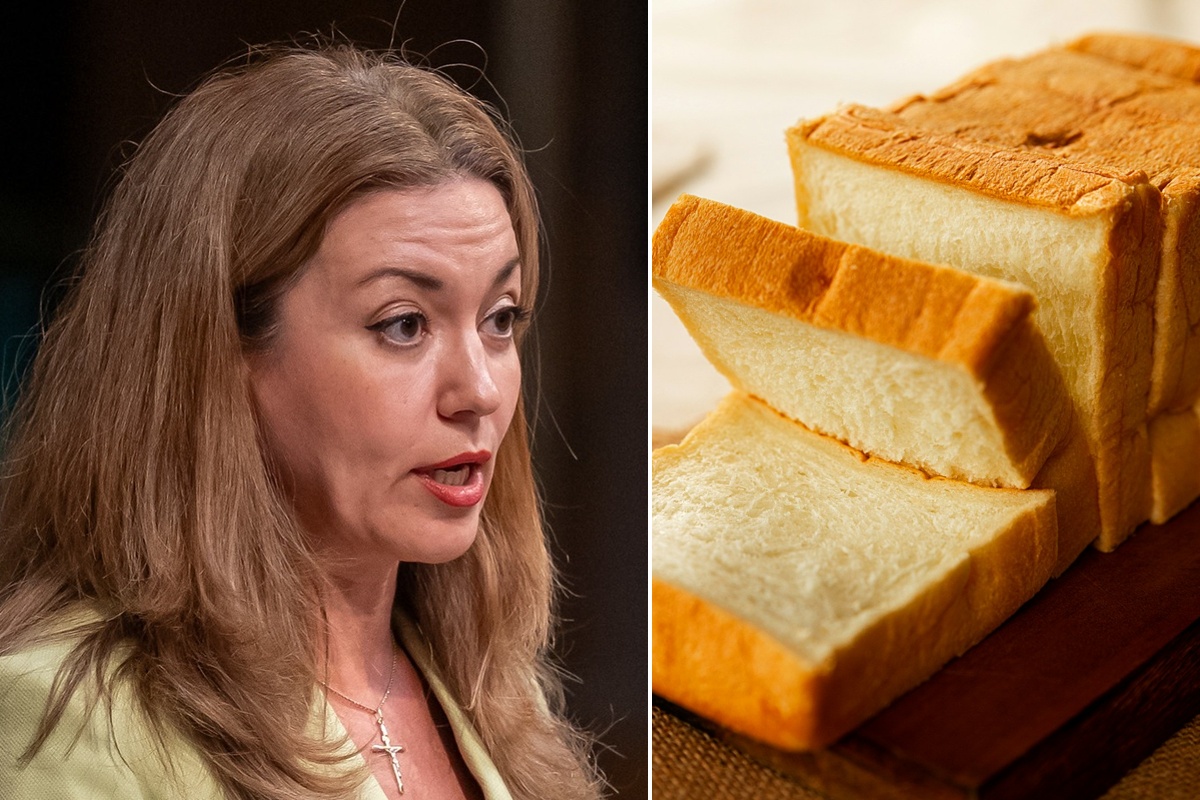
Nowadays, he couldn’t force it on us, could he? Even the gluten-tolerant are sharply aware that a white slice combines the nutritional benefits of a pack of Spangles with the social cachet of crystal meth.
Something similar has happened to patriotism. Being a patriot used to be a largely neutral position. Loving the nation you’re in, or from, is the natural state for anybody who is happy with their lot. You could sing some songs, insist on food variants, and give your lot the benefit of the doubt in historical interpretations without causing anybody upset, let alone fear and loathing.
So, what changed? It’s more than just shifts in preference or style. Both of the issues I’ve tortuously sewn together here have arisen from degradation.
Bread, as referenced in the Lord’s Prayer, bears little relation to the factory-produced, bleached, and spongy aberration under which supermarket shelves have groaned since the 1960s. Lacking the substance to satisfy, the mass-market version encourages overeating and resultant bloated self-loathing.
It’s not designed to nourish, but to addict. As such, the cultural history of bread as the ‘staff of life’ has been corroded by its corporate hijacking.
Patriotism has been similarly abused for ends that oppose its original role in society. Instead of a happy celebration of shared values and habits, the term is increasingly employed by scowly malcontents who insist that the country they inhabit is a ruined hellscape.
These patriots are loyal to countries they imagine once existed, and in which people like them were once happier. They have AI to produce pictures of these mythical idylls of social conformity that echo the brass band hominess used by corporate bakers to market their factory-produced blocks of chemical stodge. Both are appropriating the goodwill accrued by something positive to sell something negative.
Energised
Yesterday, after polishing off an organic rice cake as a weekend treat, I felt energised enough to face a glance at the to-and-fro on X, only to find this supermarket own-brand, thick-sliced, white loaf of a contribution from Fflint Wrecsam MS Cristiana Emsley.
We need an unapologetically patriotic national Church, rooted in the Bible and confident in promoting our Christian heritage.
Not a taxpayer-subsidised pulpit for Marxist ideology, Net Zero dogma and fashionable political causes.
Less ideology. More Christianity.
https://t.co/cbldX2Kpql
— Cristiana Emsley MS (@CristianaEmsley) October 24, 2026
Here, we are invited to consider Cymru as a nation crying out for a ‘national’ church that is unsullied by foreign concepts like socialism.
This is where our loudest ‘patriots’ have arrived at in 2026, demanding that their nation conform to a history that exists only in their imagination.
The church in Wales was disestablished by Parliament over a century ago, because the overwhelming majority of worshippers attended nonconformist chapels.
Those chapels, of course, were crucibles of social change which, alongside the trade unions and the Labour Party, created much of the social fabric that is recognised as distinctively Welsh in the modern sense. Who knew that all along we were yearning to pitch up at temples bedecked with Union flags?
Contempt
The contempt shown by Reform UK politicians to our modern institutions is couched in loyalty to tradition. They despise the Senedd as a Blair-era irrelevance that subverts the wider political impetus of the UK.
If you’re pushing that, however, you need to have at least a passing acquaintance with the history you profess to honour. Pasting a cartoon version of British history, which itself ignores the nonconformist origins of English socialism, on to us betrays the flimsy inauthenticity underpinning most supposedly patriotic rhetoric in the Trumposphere.
Contempt for historical reality is, however, perfectly in keeping with Reform UK’s political practice. As admitted in the recent ITV documentary, Reform candidates are required to scrub all past utterances from the internet and even basic details like the place and date of their births are missing from public sources like Wikipedia.
Ms Emsley’s own notably brief entry lists these as ‘Romania while the country was under communist rule.’ So, somewhere within 92,000 square miles, some time between 1947 and 1989.
It’s still possible to find decent, nourishing bread from independent bakers if you seek them out. When it comes to patriotism, you’re better off making it yourself.
Support our Nation today
For the price of a cup of coffee a month you can help us create an independent, not-for-profit, national news service for the people of Wales, by the people of Wales.
Get more trusted Welsh news
Choose Nation.Cymru as a preferred source in Google News to see more of our journalism.


