


Budget 2025 – the pivotal moment approaches
Jonathan Edwards
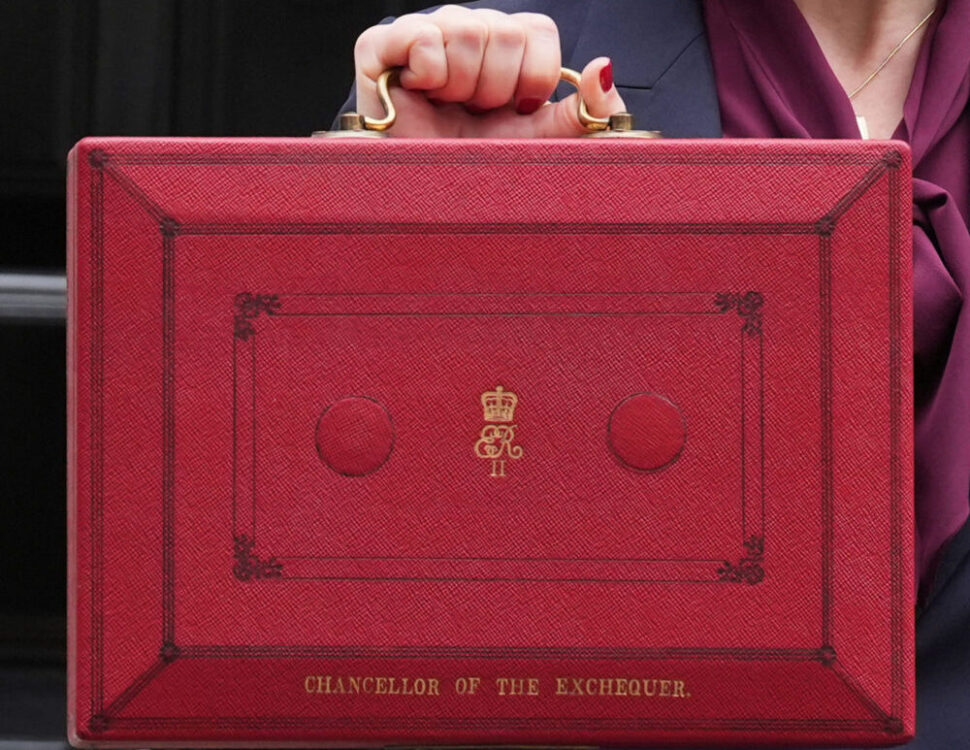
In less than a fortnight the Chancellor will stand up in the House of Commons and deliver her Budget, a fiscal event that will shape the political landscape for the seismic political challenges facing the Labour Party in the Spring of 2026, not least the Senedd election here in Wales.
I can fully understand the politics behind the economic playbook employed by Reeves and Starmer in advance of the last general election and their first 17 months or so in office.
They adopted the economic plans of the last Tory government before the election, including the traps set by former Chancellor Jeremy Hunt, with the aim of depriving the Conservatives of any oxygen to attack them on the economy during the run-up to the big vote.
On assuming office, they then pursued a George Osborne strategy of claiming that they had inherited, with some justification, a £22bn fiscal blackhole and tried to pin any future unpopular decision on the previous administration, starting with a one-off corrective revenue raising Budget as their first big act.
It was then hoped that a more positive economic outlook deeper into the Parliament would substantiate their economic competence narrative and help provide some spending headroom nearing the next UK-wide polling date in 2029.
Future projections from the Office for Budget Responsibility provided a firm basis for such a strategy. Their forecasts in advance of the November 2023 Budget, the last big fiscal event before the 2024 election, indicated that UK economic growth for this year would be 1.6% before rising to nearly 2% for the remainder of the Parliament.
The major problem for the Chancellor, notwithstanding the OBR’s recalculation of productivity resulting in a £20bn hit to the public finances, is that forecasters are now projecting that future growth will be anaemic. Leading forecaster EY Item Club last week downgraded likely UK economic growth for next year to only 1%. All eyes will be on the OBR outlook published on Budget day.
If, as is likely, they revise downwards for the forecasting period, the current headache facing the Chancellor will become a full-on permanent migraine.
Some would argue that fiscal targets have served a purpose to placate international markets. However, they have effectively turned UK Government fiscal events into accounting exercises. Essentially the Treasury is dictated by the need to stay within self-imposed targets regardless of the economic impact. Increasing taxation and direct income tax for working people at any time is a hard sell for any government.
Inflation
However, with the economy stagnant and persistent inflation continuing to compress living standards it’s a perilous political act to say the least, especially after promising not to do so before the election. The public outrage will drown out likely positive Budget measures such as lifting the two-child benefit cap. Post budget coverage will concentrate on how much extra tax each income bracket is paying.
The political challenge for the Chancellor is to set a political narrative for her Budget decisions. When she stands up to deliver her address at the end of the month, making the numbers add up is only a part of the job. She is going to have to convince a sceptical public that Labour has an economic vision that they can buy into.
Failure to communicate will leave the door wide open for her political opponents, and the bad news for Labour is that they now face challenges to both flanks who are providing unambiguous narratives of their own.
Much commentary has concentrated on the rise of Reform UK. However if the Greens overtake Labour consistently in the polls then all bets are truly off.
Zak Polanski has performed miracles since taking over as Green leader. The Budget will simultaneously be a golden opportunity and a big challenge for them. If they are to replace Labour, then this is their big moment.
Aftermath
If Labour emerge from the Budget aftermath unsurpassed by the Greens, then they should be able to maintain their leadership position on the more progressive side of politics.
In Wales it’s Plaid Cymru that has outflanked Labour from the left, (although let’s not quite discount the possibility that the Greens may advance to become a serious player come the Senedd election – a future article in waiting perhaps).
If the Budget lands badly, the first wave of cannon fodder will be Labour candidates for the Senedd election in May.
If there is a rout, don’t be surprised if Labour MPs acting as the second wave will want new generals at the helm long before they are asked to go over the top themselves.
Jonathan Edwards was the MP for Carmarthen East and Dinefwr 2010-24
Support our Nation today
For the price of a cup of coffee a month you can help us create an independent, not-for-profit, national news service for the people of Wales, by the people of Wales.



She may have no choice but to raise taxes. The question is tax rises for whom? We all know it is time to target those with deeper pockets – but will she? Will it just be a case of putting up the usual taxes for everyone, the taxes the well-off generally get around paying with a good accountant, or will it be more specific taxes – like targeting bank profits? If she rises taxes for everyone then the Labour party had better shiw a big improvement to the standard of living for everyone before 2029 or the party will be… Read more »
Unlike the author, I don’t understand the politics. Labour would almost certainly have won the general election anyway. Now they are exposed as having offered a false prospectus and will pay a heavy price. The “black hole” was £22bn last year, now it’s circa £30bn: what’s it going to be this time next year with negligible growth? The claim that last year was a one off is also exposed as untrue.