


Could driverless taxis be coming to Wales?
Dr Keith Darlington
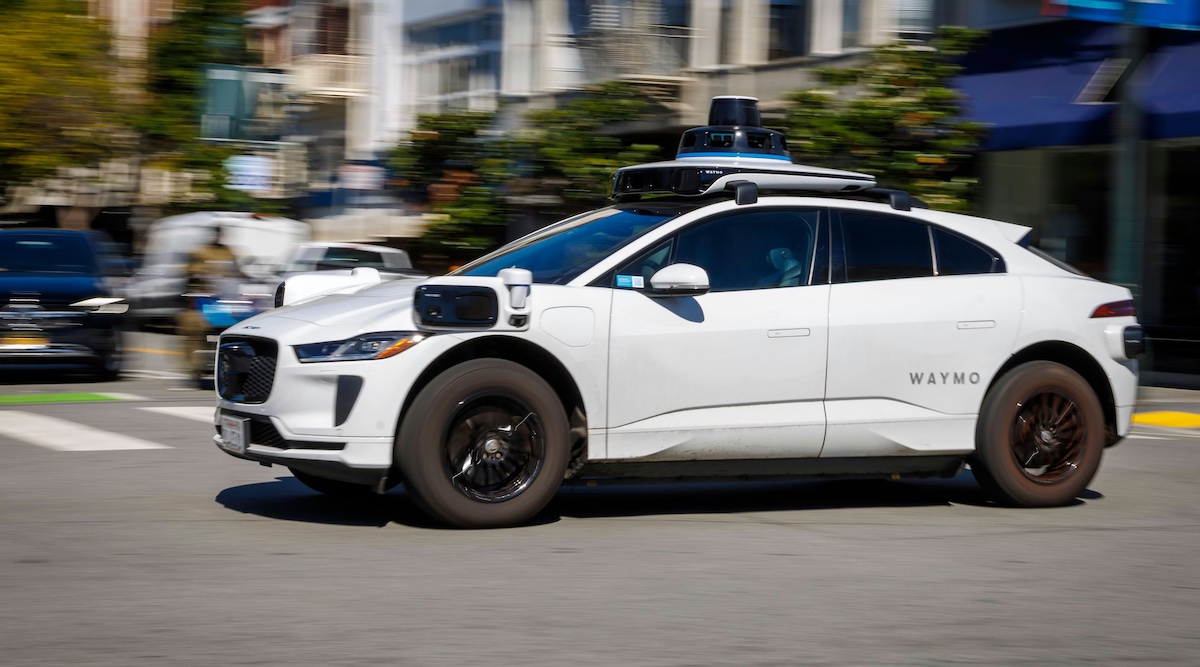
Autonomous, or driverless, taxis (also known as robotaxis) were rolled out in several cities worldwide in 2025, particularly in the US and China, such as San Francisco, Phoenix, and Beijing.
This trend will continue worldwide, with a rollout in London likely in late 2026. Some sightings of Waymo taxis have already been noted in London as part of trial schemes.
Although other types of autonomous vehicles are available, their use has been limited to taxi services to date, with companies such as Waymo, Uber, Lyft, and the Chinese Company Baidu being the main players in this marketplace. They provide Level 4 autonomy (explained later in this article). This is a high degree of autonomy, meaning they can travel within a geographical area without a human driver present.
Trials are expected in the Spring under the UK Government’s new Automated Passenger Services (APS) scheme. The scheme will issue permits to autonomous taxi service providers that demonstrate compliance with the government’s regulatory framework, enabling autonomous taxi services to enter the UK market.
Benefits of Autonomous Taxis
Safety is a major consideration and potential benefit in the drive towards autonomous vehicles. Over 1.3 million people are killed annually on the roads around the world, with tens of millions seriously injured. Most of these accidents (over 90%) are caused by human error.
According to the US National Highway Traffic Safety Administration, alcohol abuse, speeding, and driver distraction are the causes of the vast majority of these accidents. But autonomous vehicles will never be susceptible to any of these failings.
It has been estimated that driverless vehicles will save over a million lives each year. Improved driving safety could reduce pressure on NHS resources because car accident injuries place enormous financial and resource demands on the NHS, including bed use and emergency care.
Autonomous taxis offer other significant benefits: by reducing labour costs, they promise lower prices and 24/7 availability. In the long term, they should provide very fast service for customers because they won’t depend on a human driver being available.
Additionally, some members of the population may prefer this mode of travel for various reasons. Autonomous taxis are mostly electric vehicles, reducing urban pollution. Autonomous vehicles will also be able to communicate with each other and know exactly where they are. This can improve traffic flow and efficiency.
Challenges for Autonomous Taxis
Autonomous taxis pose challenges. Much of the smart vehicle technology has been in place for a decade, but the rollout on our roads has been delayed because autonomous vehicles require smart 5G infrastructure.
However, this varies in different regions and cities throughout the UK. For example, Hull is cited as the city best suited to driverless taxis because, aside from its high number of road collisions, it has Gigabit-capable broadband and 5G capabilities. Regarding Cardiff, although it is not among the highest-ranked for suitability, it has a high taxi density and could soon be ripe for adoption if London is successful in this venture.
A major challenge for autonomous vehicles is that they must operate alongside human-driven vehicles. However, humans and machines work in very different ways: autonomous taxis rely on strict machine-learning algorithms that use large amounts of data from both the taxi and its environment, while humans rely on intuition, experience and nonverbal communication – such as hand gestures to other motorists. These interactions are complex. Trials have already shown that human drivers may try to bully overly cautious robotaxis, reducing overall traffic efficiency. As driverless vehicles become more prominent on our roads, the interplay between the two modes of transport could become more challenging. However, some level of autonomy, such as driving assistance through cruise control, has been around for more than two decades.
Levels of Vehicle Autonomy
Many vehicles on the road already have some degree of autonomy. There are six levels of car autonomy defined by the Society of Automotive Engineers (SAE) in 2014. They range from Level 0, which is complete driver control, to Level 5, which is complete autonomy in any environment.
Level 0: Human Control. All car operational functions are under human driver control at this level.
Level 1: Driver Assistance. At this level, technologies such as Automatic Emergency Braking (AEB) or cruise control may be used by the car to assist the driver – but only one at a time.
Level 2: Partial Automation. At least two simultaneous automated functions may be controlled by the car. For example, acceleration and steering may assist the driver, but the human driver is always in control and must keep both hands on the steering wheel.
Level 3: Conditional Autonomy. The car can manage all safety-critical functions under certain conditions, but the driver is expected to take over if and when alerted. The driver must remain vigilant even when the car is under autonomous control.
Level 4: Pre-Defined Autonomy. The car is fully autonomous in some driving scenarios, though not all. Fully autonomous in pre-defined environments requiring no human driver intervention.
Level 5: Fully Autonomous. The car is fully capable of self-driving in any situation or environment without driver intervention.
Tesla vehicles have been operating at Level 2 autonomy, requiring constant human supervision -called Autopilot. They can steer, accelerate, and brake, but the driver must remain alert and ready to take control at any time. The bar is set very high for autonomous driving compared with human performance. Nevertheless, a few serious Tesla car accidents have been recorded, mainly due to human drivers not complying with the autopilot requirements.
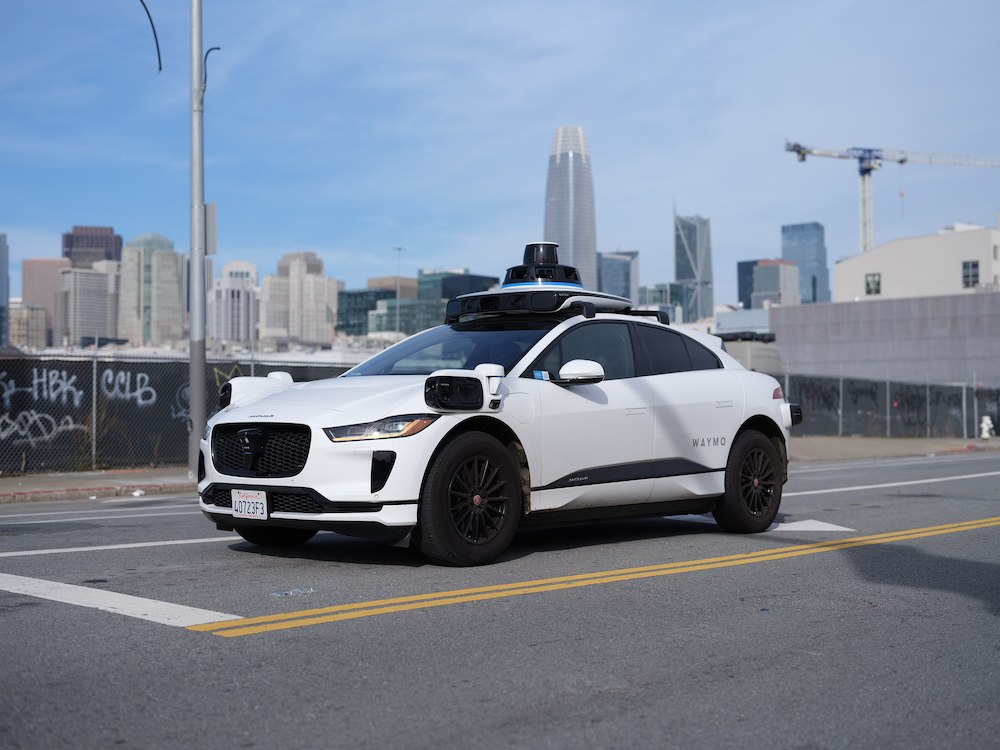
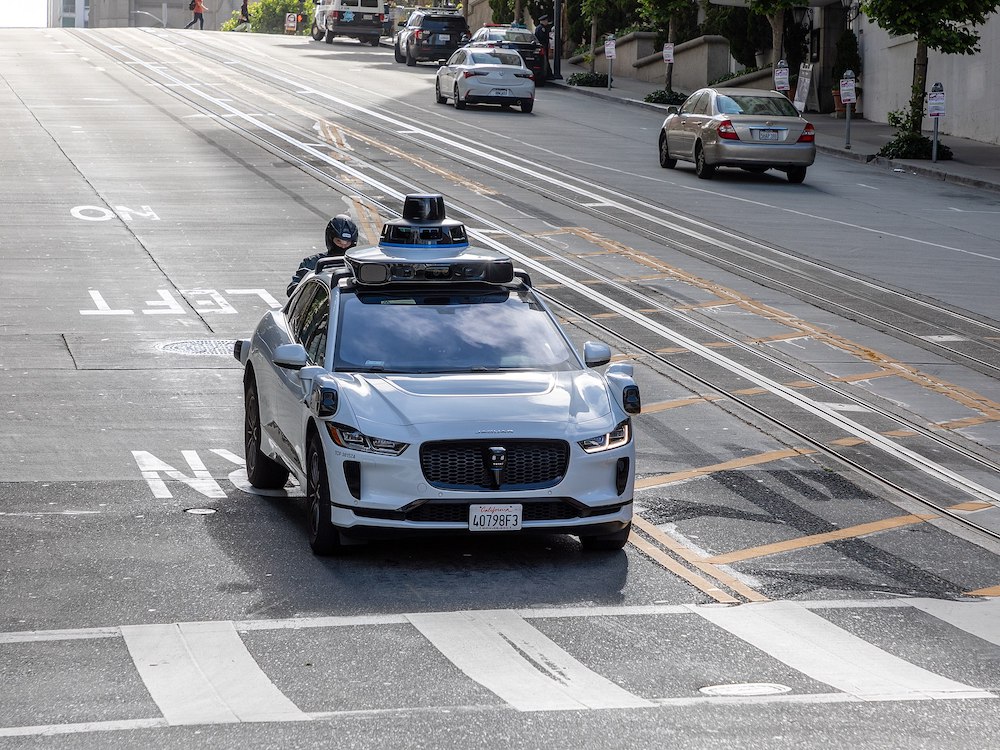
Waymo robotaxis, currently used in US cities and Baidu in China, operate at SAE Level 4 (High Automation), meaning they are fully autonomous, driverless vehicles that can navigate, steer, brake, and perform driving tasks without human intervention or a human driver. This doesn’t mean they can operate in any environment as Level 5 autonomy permits; they can only operate within specific, mapped areas under designated weather conditions.
Conclusions
Driverless vehicles were being touted as imminent over a decade ago. They have taken longer than expected to begin on-road deployment because, as this article shows, the industry has faced challenges that require more than just competent driving. However, governments recognise their potential safety benefits, and individuals may be attracted to the convenience, cost, and time-saving benefits described in this article. There are likely to be some teething problems as they become deployed in greater numbers, but they are here to stay.
Dr Keith Darlington is a retired AI university lecturer and author of five books on AI and computing topics, as well as over 80 magazine articles on AI and related subjects.
Support our Nation today
For the price of a cup of coffee a month you can help us create an independent, not-for-profit, national news service for the people of Wales, by the people of Wales.



So basically the local economy has to give up income and jobs so that it can be funneled to mega corporation, based probably outside of the UK, run by CEOs with dubious political goals.
Plus they maybe weather dependent, so forget getting a taxi in the winter when it is chucking it down.
The accident rates of private hire and taxis can be improved by adherence to speed limits ie a black box in every taxi and enhanced safety features in the taxi that cannot be turned off ie lane assist.
It’s shockin how much uber take from their drivers. We already funnel so much money to california – which would have stayed in the UK pre-Uber
Alwyn, London could not sustain car sharing https://www.bbc.co.uk/news/articles/cp8zv1gr0z9o Amazons food stores https://www.bbc.co.uk/news/articles/cx2xnkkn9ywo.amp
Wont use one.
Matter of principle.
AI is getting creepy and starting to look like a power grab in more ways than one.