


Cynefin on the Field: From Traditional Welsh Games to the Northern Territory, Australia
Gwenno Iolo Davies
My name is Gwenno Iolo Davies. I was born and raised in South Wales, and sport and the outdoors have been a big part of my life since I was a child.
I come from an active family, and there was rarely a weekend that went by without us walking in Bannau Brycheiniog, cycling along the Taff Trail, or travelling from one place to another for sporting commitments.
It is perhaps no surprise that I chose a career in physical education and outdoor education.
I am incredibly proud to be Welsh, and living so far from home has made me appreciate that even more. Even now, more than 14,000 kilometres from Wales, I still use the Welsh language every day. The landscape, the language, the culture and the idea of cynefin (our sense of place and belonging) are all part of who I am.
I studied Sport, PE and Health at Cardiff Metropolitan University before continuing my professional studies at Bangor University, where I completed my PGCE in teaching physical education. Since then, my career has taken me to different parts of the world.
Over the years, I have had the opportunity to work with colleagues in physical education in Australia, New Zealand and the Middle East. We have shared ideas and practices, discussed different approaches to teaching and learning and explored how physical education can respond to the idea of cynefin.
I currently teach at Taminmin College in the Northern Territory, Australia, where I work with Indigenous Australian students, including students from Torres Strait Island and Tiwi Island communities.
Working in the Northern Territory and immersing myself in its traditions has given me a unique opportunity to develop a deeper understanding of Indigenous Australian cultures.
These cultures, which have flourished for tens of thousands of years, reflect the deep connection between community, land and people’s identity.
Through working with Indigenous communities, I have seen how sport can strengthen the relationship between people and their country. This has made me realise that there is space for something deeper within physical education, something that goes beyond physical activity alone.
Programmes such as STARS, which provides mentoring and school-based support for Indigenous girls and young women, have shown me how sport can support young people and their communities. By using sport as a way to build confidence, leadership and connection, STARS helps young women develop a stronger sense of belonging and create new opportunities for their futures.
I have also had conversations with physical education leaders in New Zealand about the ways in which Māori culture and identity are incorporated into physical education lessons. This made me ask myself:
How could we do something similar with Welsh culture?
For me, that connection leads back to cynefin and, more importantly, to the relationship between cynefin and sport.
I have been very fortunate to teach an entire unit on traditional Indigenous Australian games, and this experience made me think about how we could bring our own Welsh games and traditions into physical education lessons.
Within the curriculum in Wales, there is a strong emphasis on established sports, but there is relatively little space for our own traditional Welsh games. I want to change that, using sport to bring the stories, history and culture of Wales to life on the school field. The hope is that, through playing these games, students will feel more connected to their roots and proud of their heritage.
Bringing Welsh Games to Australia
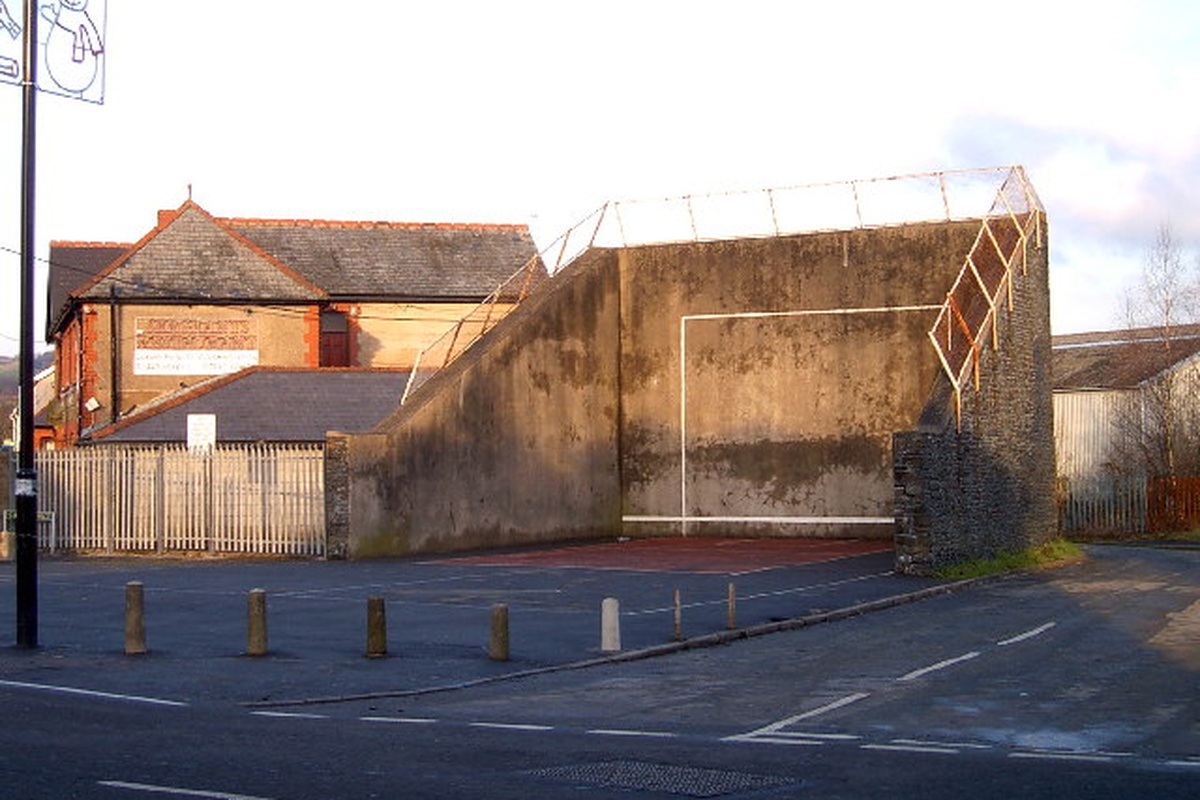
This led me to research traditional Welsh games such as cnapan, pêl law and bando. I contacted Campau Celtaidd Cymru, where I had the opportunity to speak with Steve Lake. He shared some fantastic resources with me, and we had inspiring conversations about how these games could be introduced to a new audience.
With his support and the resources he shared with me, I was able to turn my idea of bringing Welsh sport to the Northern Territory into a reality.
Cnapan was particularly interesting to me because of the potential connections it has with a sport already familiar to Australian students: AFL (Australian rules football).
My partner, Shane, is Irish, so Gaelic football and hurling have also become a big part of my life. Gaelic games hold an important place within communities and schools in Ireland. Here in Australia, I have seen an equally strong sporting culture surrounding AFL.
This made me wonder whether we could introduce cnapan into a physical education lesson here in Australia, in an AFL-style format, turning the game into an opportunity for young people to experience Welsh sport while learning about the history and culture of Wales at the same time. The aim was not to recreate the game perfectly, but to use it as a vehicle for deeper learning about Welsh history and culture.
Sport can sometimes appear to be something ordinary, whether it is a physical education lesson at school or a training session on a community field outside school. With a ball and some bibs, a group of people can play almost anywhere. But these seemingly ordinary things are part of something much more important. They provide a way of passing traditions, stories and values from one generation to the next.
Cultural identity
Indigenous games in Australia, Gaelic games in Ireland and traditional games in Wales all demonstrate how physical activity can help to foster a strong cultural identity and a sense of belonging.
Travelling has strengthened the pride I feel in being Welsh. Bringing cnapan, pêl law and bando into my teaching is one small way of bringing Wales with me.
I hope that one day I can bring these experiences home. It would be a dream of mine to use what I have learned from different cultures, education systems and sporting traditions to contribute to the development of physical education in Wales.
From Wales to northern Australia, the games may be different, but the connection between sport, community and cynefin remains.
Seeing Indigenous students using Welsh words such as “yma”, “rhydd” and “gôl” while playing was a particularly special experience for me. It demonstrates how sport can bring cultures and languages together.
Through sport, may the old language live on (O bydded i’r hen iaith barhau).
Postscript by Steve Lake, ysgrifennydd Campau Celtaidd Cymru
Gwenno wrote this article after contacting Campau Celtaidd Cymru through our website (www.campauceltaidd.cymru). If you’re interested in learning more about our work (or even better, contributing to the project), please take a look at the website and contact us.
Support our Nation today
For the price of a cup of coffee a month you can help us create an independent, not-for-profit, national news service for the people of Wales, by the people of Wales.
Get more trusted Welsh news
Choose Nation.Cymru as a preferred source in Google News to see more of our journalism.


