


Hey councillors, leave our built heritage alone
Stephen Price
In a 1943 speech regarding the rebuilding of the House of Commons after WWII bombing, Churchill delivered his often-quoted line, “We shape our buildings; thereafter they shape us”.
His words, and his insistence of the importance of architecture and its influence on our behaviour, politics, and human experience, were not only observations, but a warning.
Some eighty plus years later, we live in a very different (dis-)United Kingdom.
Mass building, particularly of the not-so-local-vernacular, has altered the look, feel, makeup of much of our most-populated villages, towns and cities, and we, in turn, have been shaped by this change.
I was reminded of Churchill’s quote while reading a news item from just a few weeks ago about a Victorian school building in Ruthin which will soon be demolished to make room for affordable housing.
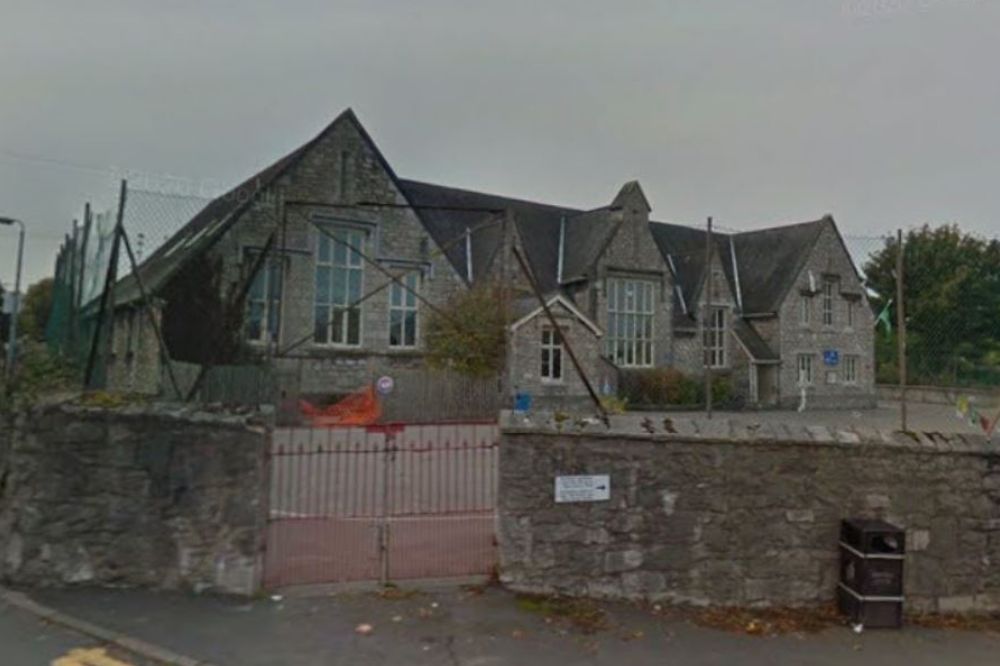
Medra, a subsidiary of housing association Adra, had applied to Denbighshire County Council’s planning department, seeking permission to demolish the former Rhos Street School on Rhos Street.
At a planning committee meeting held on Wednesday, 10 December, councillors unanimously approved the plans for 20 affordable homes, despite concerns from residents and the council’s own conservation officer.
Residents had cited a long list of reasons for objecting, including the school being an “important building”, overdevelopment, the road being unsafe, and noise.
Ruthin Town Council also objected to the new homes due to the building being an “important historical asset” and parking issues.
But planning officers had advised that the committee back the plans and said the application presented “a difficult decision” between “preserving a building” and “affordable houses.”
Speaking in favour of the application on behalf of Adra, Huw Evans said: “After three and a half years of proactive collaboration with council officers and consultee bodies, we now welcome the recommendation to approve this application.
“As council members, you will be well aware of the housing crisis in our communities, and Ruthin is unfortunately no different to other parts of the county. The officer report confirms there are currently 57 households with a connection to Ruthin in need of social housing and 67 households in need of intermediate rented properties.”
He added that the school building was not listed, that Adra was aware of the concerns, and that houses would always be affordable once built.
Cllr Bobby Feeley said the site had remained empty, derelict and “a bit of an eyesore”.
“I believe these carefully constructed plans from Adra will transform the site and give 20 much-needed affordable homes for local people. I appreciate there have been difficulties to overcome and a certain amount of opposition, but I believe the report has largely addressed all the issues and come up with a positive and correct recommendation to grant,” she said.
Cllr Emrys Wynne said there was a danger of rats on the site and that the building was bringing the area down, backing the development. But he added there should be a memorial plaque remembering the school if it was demolished.
Councillors heard how the council’s conservation officer said the existing building should be redeveloped, as it was an attractive building, despite not being listed by heritage guardians CADW.
But planning officers disagreed, arguing that CADW didn’t think the building should be listed and that it had been marketed unsuccessfully. Cllr Huw Hilditch-Roberts pointed out that other developers hadn’t been able to make the building viable.
He added he “didn’t want to see a nightclub” replace the school. The committee unanimously backed the plans.
Of course they did.
An eyesore? Really?
Three and a half years of talking and spending and delaying and dithering? No one in any other job could get away with such a thing.
I’m usually Plaid’s biggest champion, but a danger of rats? Seriously? Grow up.
Residents object, councillors – voted in by said residents – ignore: an all-too-familiar story I see first hand day in, day out. How much disdain we must be held in for giving a toss.
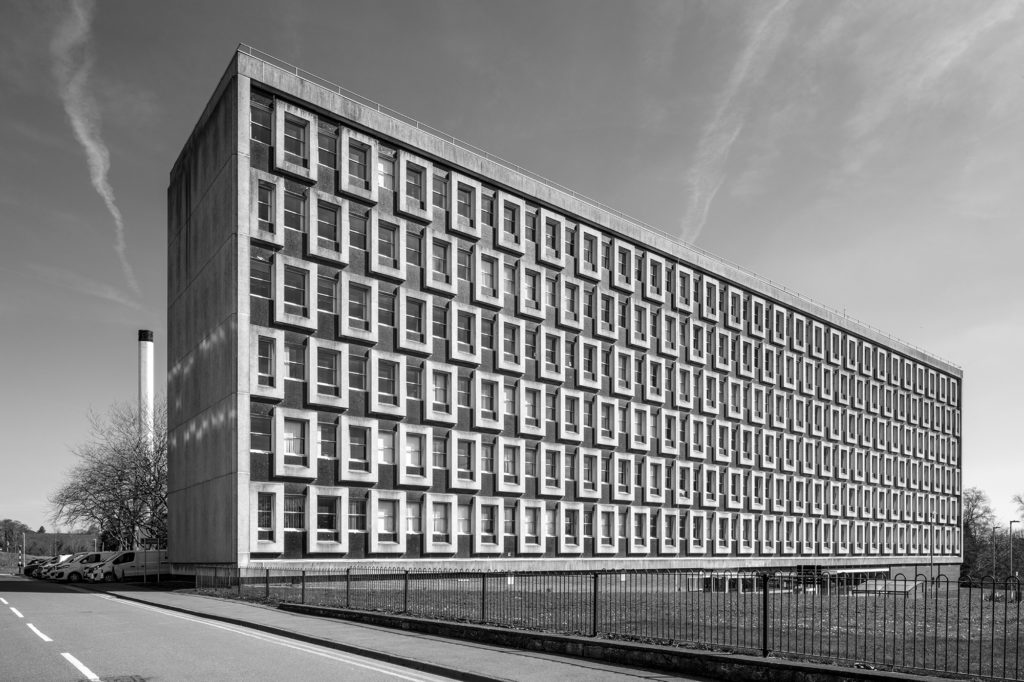
Flintshire council also has gold dust in its hands, and has confirmed a provisional demolition date of 2027 for Mold’s Shire Hall, but could not comment on whether there is a timetable for the sale or redevelopment of the land.
Granted, not to everyone’s taste, but for fans of brutalist architecture it’s a gem.
Arguing that our buildings help to tell us stories about how our modern towns and cities have developed, Simon Phipps told Nation Cymru: “I think what really needs to happen is a shift in mindset in terms of how we can make these buildings functional for the twenty first century.
“We should be thinking about ways in which these buildings can be readapted and revitalised for modern usage, without destroying their integrity.”
And without destroying them at all.
Endless fascination
I’m currently looking after a friend’s dog in Cendl (otherwise appallingly known as Beaufort owing to the land-owning Duke and his descendants), Blaenau Gwent for a few days, and I’m awestruck on every dog walk, reappraising this community which I’ve spent most of my life thinking of as a simple road and cut-through.
Like most places across our nation, it would have looked much more charming before the First World War, pre-council house and render, and glimmers of its former glory aren’t hard to spot – gorgeous terraces, grand chapels, hidden inaccessible rivers, but most sad of all is an open space with a ‘sensory garden’ and some signage sharing: “On this site stood Bethesda Presbyterian Chapel. The oldest church in Beaufort. Opened 1828 – Closed 1986.”
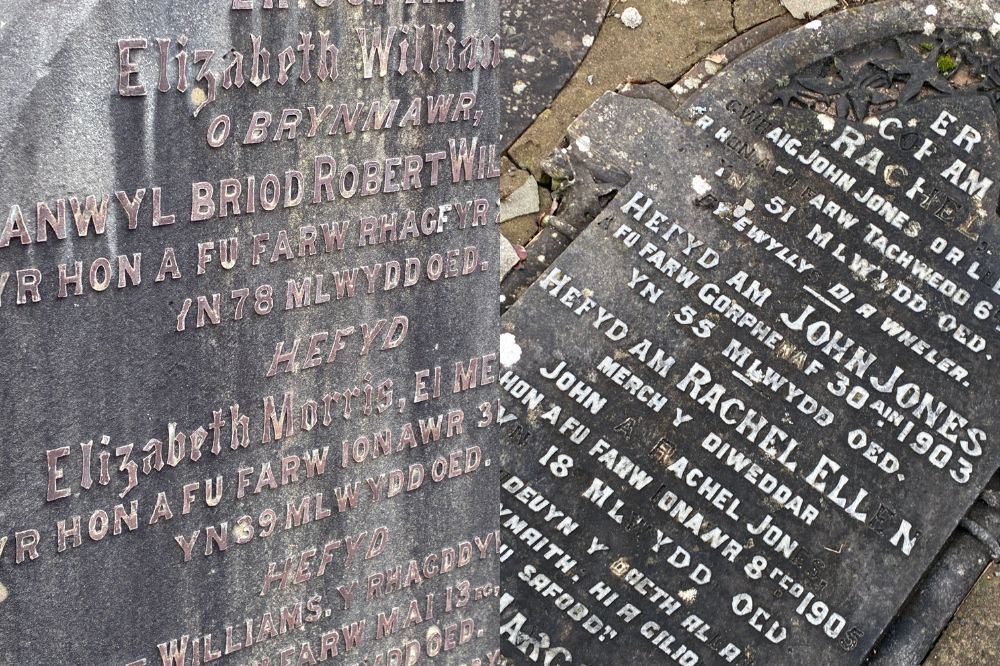
On a lane on the opposite side of the road, another lost chapel and school building – the former Ebenezer Primitive Methodist Church, the first of its kind in south Wales, now litter and bramble and a few gravestones laid out on their backs.
In my former milltir sgwar, Brynmawr, I can list countless buildings lost to car parks or nothingness and new builds.
The former ‘Board School’, on King Street Brynmawr, became a Welsh school in the 1980s, before the pupils were faced with a choice of a new build out-of-town school in not-very-nearby very-much-in-need-of-transport Nantyglo, and the school was demolished.
In its place? To this very day, absolutely nothing.
Some residents park in the former playground above, but the school sites themselves are concrete and self-seeded buddleia – an eyesore where once we could have had community.
On the opposite side of the road? A car park(!!!) now takes the place of Rehoboth Chapel despite widespread community anger at the time.
I’m fascinated by ‘lost’ communities across Wales, and a stones throw from Blaenau Gwent, one need only do a quick search online or walk through central Merthyr today to see what might have been, what should have been.
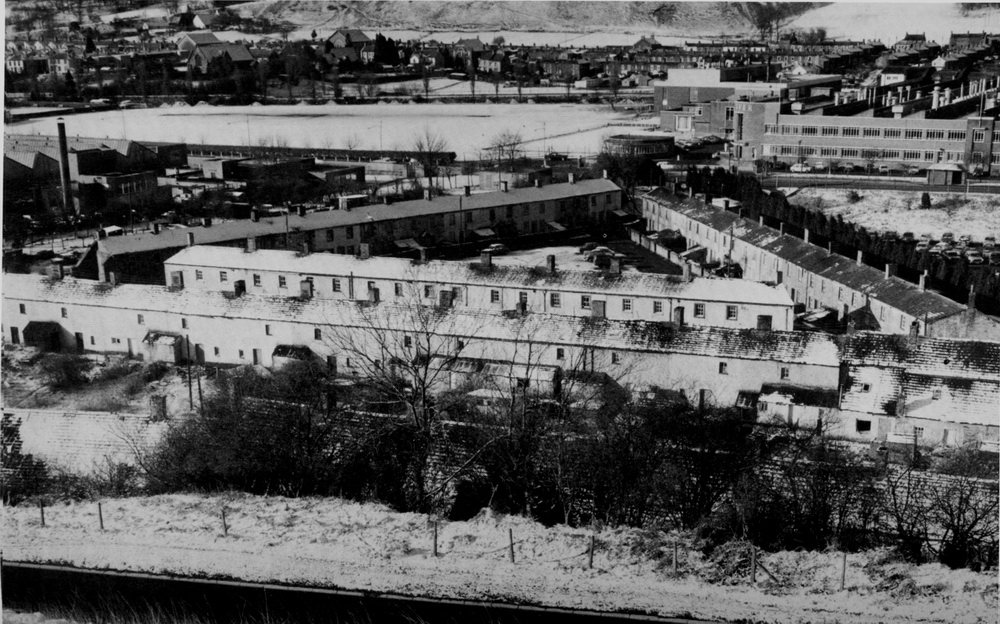
From on high, its bare and broken mountains look to have been taken over by council estate after council estate, but look closer, and the town is alive with some of the most striking local vernacular architecture – church, chapel, terrace, cottage and mansion.
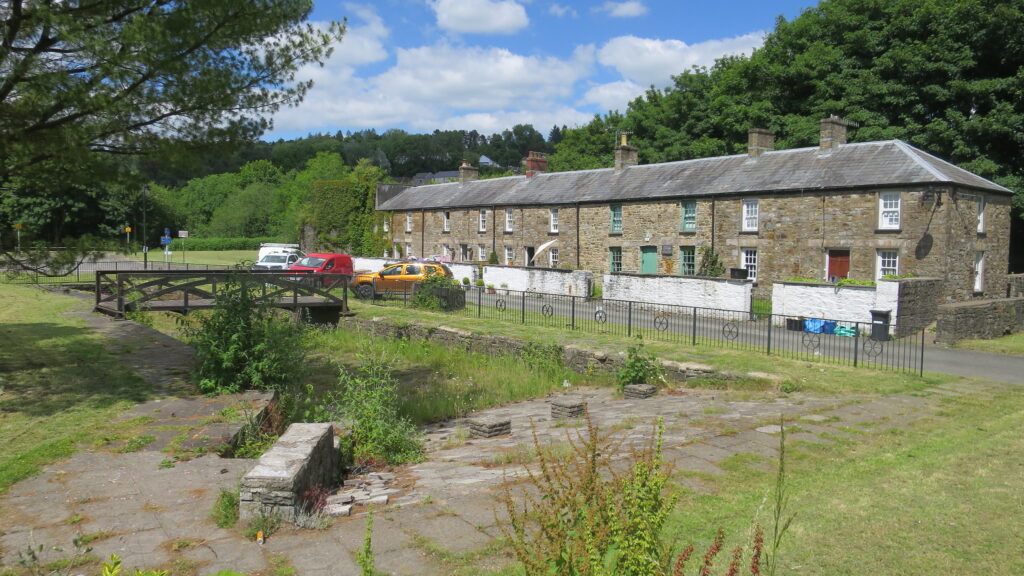
Oh for it to look like this in its entirety today. For our newer builds to have built upon this legacy and continued it.
Instead, we have robbed our children, and their children, of the lifestyle and the identity these offer – offering them crumbs and a chance to experience it through a visit to Joseph Parry’s cottage or Cyfarthfa Castle and Museum.
While this row has mercifully been saved, countless others haven’t.
Merthyr Historical Society wrote about the travesty of the loss of one of the area’s most beloved communities, The Triangle, sharing: “The houses were Listed Grade 2 in February 1975, but had already been purchased by Merthyr Council and earmarked for clearance.
“Local civic and heritage groups fought to save them, and the Civic Society even produced a scheme showing that they could be renovated for less than the cost of new housing, and at the same time provide 12.5% more floor space than the basic new-build design of the day.”
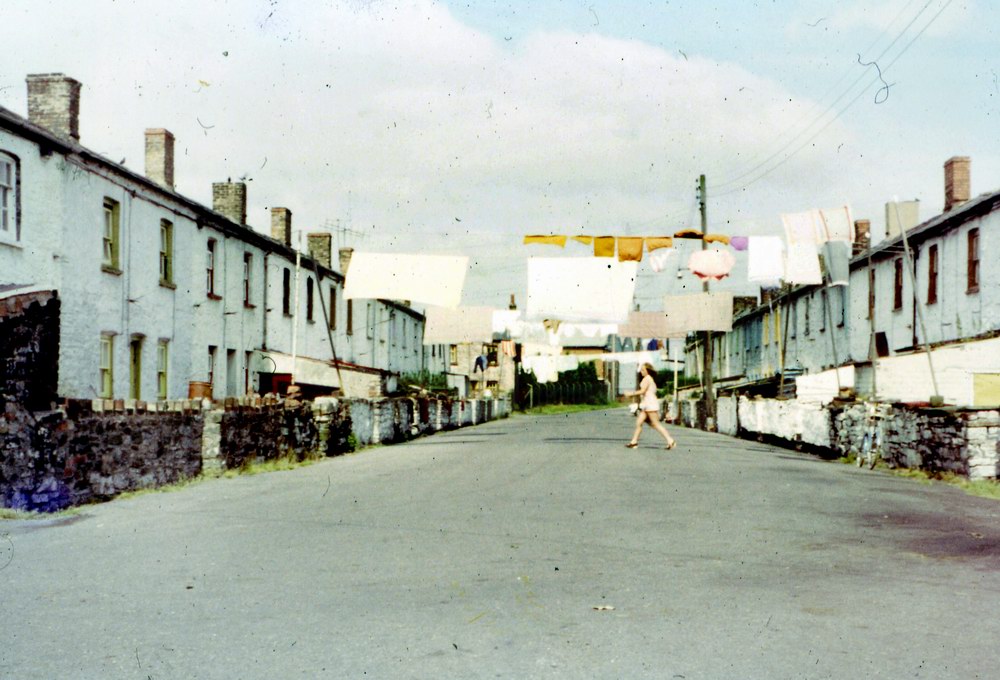
How many Triangles at Pentrebach and more have simply been lost to time in the name of progress?
Leaving Merthyr behind, heading towards Cardiff via Crumlin, and what was once the supposed ‘most polluted spot in Wales’ – the former terraced-lined Hafodrynys Road is now blank, soulless, dead.
A controversial take perhaps, but with most cars one day set to be electric, surely they could have been saved and used for some other purpose in the meantime?
I also question whether the area deserved its title, knowing plenty of other soot-lined stretches of roads with just as much traffic flow.
Perhaps, just perhaps, fully functioning public transport and railway networks, and fully functioning towns outside of our main hubs would mean streets like this weren’t turned into cut-throughs and bypasses.
Either way, a travesty, plain and simple.
@kurt.explores A before and after of the street nick named the most polluted street outside of London Hafodyrynys Road in south wales #wales #southwales #fyp #foruyou ♬ i was only temporary – my head is empty
On to Abergavenny, and the ‘historical’ market town itself is no stranger to detrimental council decisions, with perhaps the most appalling loss detailed in a fascinating book entitled ‘Vanished Abergavenny’.
Through a series of photographs, much is made of the catastrophic decision from the council at the time who thought it more important to create a, you guessed it, car park and ugly post office building on the site of some of the town’s grandest, irreplaceable buildings on Tudor Street.
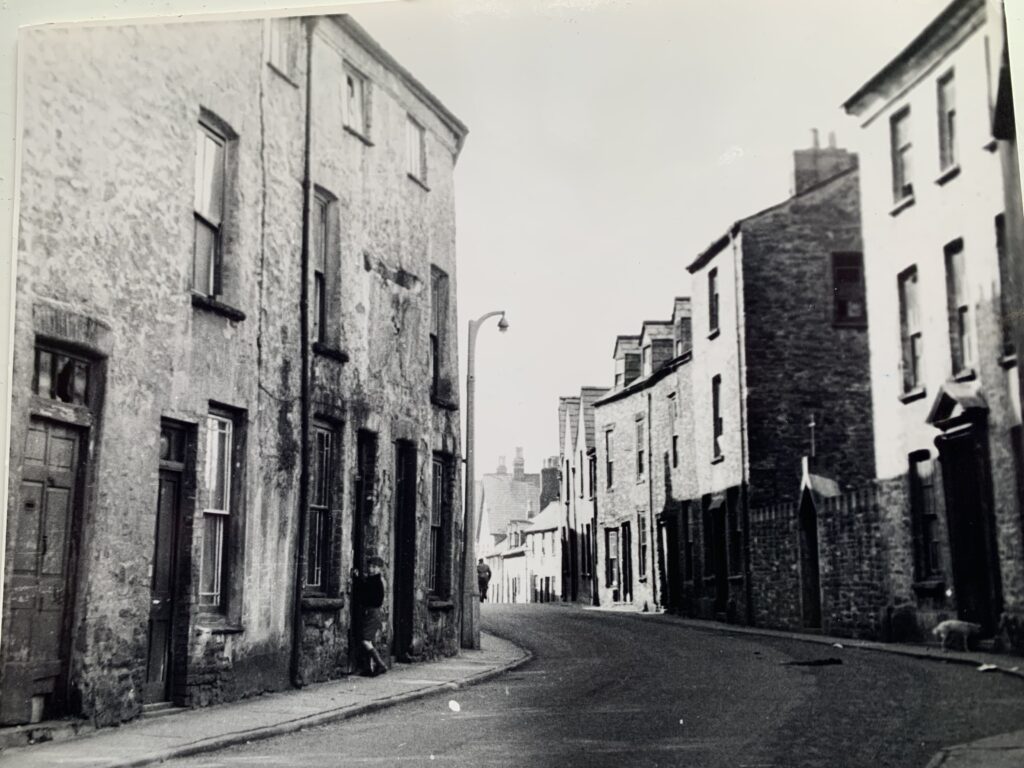
Old photographs and a few salvaged relics held at the town’s museum stand in clear contrast to the stale, sterile, characterless road and car park ‘development’ left behind.
Memories of belonging
In The Shaping of Us: How Everyday Spaces Structure our Lives, Behaviour, and Well-Being, Lily Bernheimer writes: “The spaces we live in shape our lives. They impact our feelings, behaviour, identities, and even how quickly we can solve puzzles.
“The environments we spend time in can make us healthier, decrease our perception of pain, and make us less likely to litter.
“Space is like a secret script directing our actions. It’s a script we play a part in writing by choosing where to work, who to socialise with, and how to decorate our homes.
“But like the actors in a play, we maintain the illusion that our actions are unscripted.”
I have beautiful memories of rushing to my now-closed primary school in Clydach built in the 1800s, drying my coat on the huge cast iron radiators, mesmerised by the old photos of pupils in days gone by standing right where we stood, the bell ringing, the desks carved with names of villagers past and present.
Flaked paint, and well-read books. Blackboards, heavy doors, rusted railings and character, so much character.
Walking to the canteen in a separate building in rain, wind and shine, fed by dinner ladies whose children and their children’s children sat among us.
Memories of belonging.
And now? Local children travel miles on a bus to new-builds, soulless, efficient builds that could be in Essex, Crewe, anywhere.
Our councils, at both turns pleading poverty but with seemingly ample money to spend (our money to spend!) love a new leisure centre, such as the leaking box in Ebbw Vale, charmed by designs and spreadsheets. The old pools closed down in Blaenavon, Nantyglo and Ebbw Vale itself long gone. Surely they, and our old schools, could have been retro-fitted? Or we could all just learn, as our ancestors did, to make do and mend?
There’s a reason people flock to Crickhowell, Llandudno, Hay-on-Wye (although their own modern library leaves much to be admired) and the like – and it’s because, for the most part, they’ve kept their buildings, and their souls, intact.
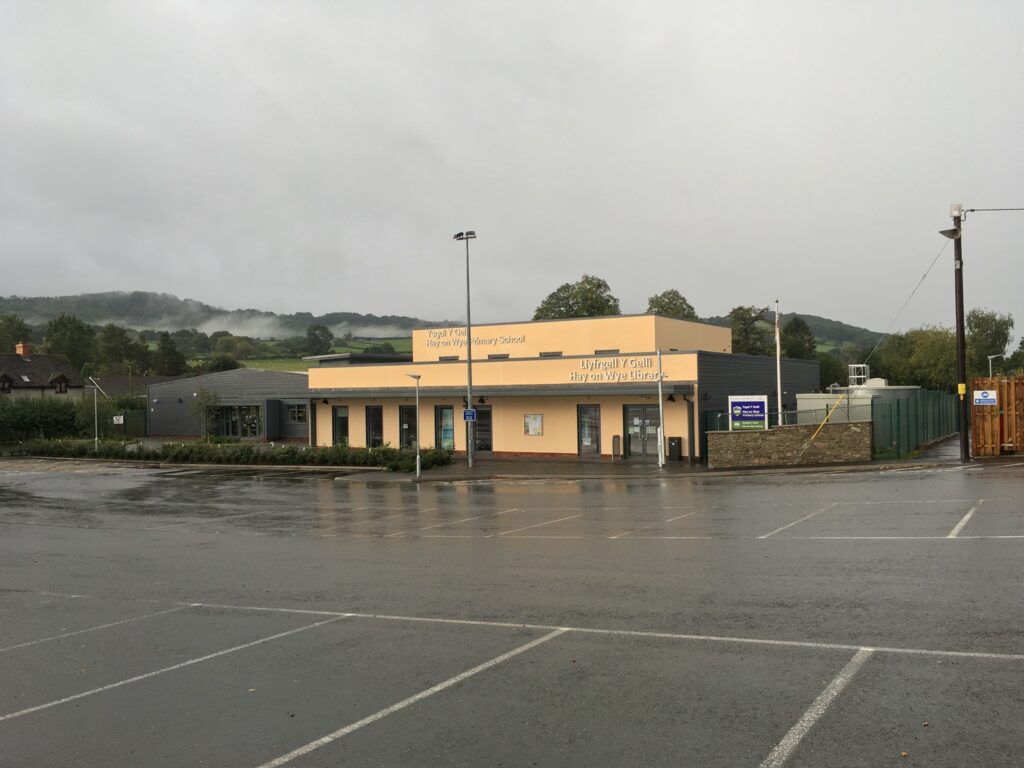
Wales’ councillors would do well to commit to protect and enhance any building in their locale by any means possible – list them, auction them, give them away even! – because once they’re gone, that’s it.
And their loss is so much more than brick, stone, sash and slate.
Our stories are held within every element of our built heritage.
Our buildings have, until now, shaped us well. But what shape will we be in when there is barely anything ‘of this soil’ left?
Our councillors are often the least fit to make the best decisions for Wales’ heritage – and Wales, and its people, simply cannot afford to lose any more.
It’s too late for heads to roll, and too much to expect any to bow in shame, but enough is enough.
Councils simply do not have the consideration or expertise to have our irreplaceable built heritage in their care. Care that, in many cases, our communities themselves have, but those they vote in are completely devoid of.
The power has been in the wrong hands for too long, and our beloved cynefin, the places we made and that made us, will forever pay the price for our councils’ repeated, reckless and ill-informed short-term gains.
Support our Nation today
For the price of a cup of coffee a month you can help us create an independent, not-for-profit, national news service for the people of Wales, by the people of Wales.



Good quote, the country is being herded by councils onto the developers guns…
‘Adra’, have grown quite quickly…
So many schools closed and frozen in time like roadside shrines to lost generations…
To go with the ‘War Dead’: Special offer to families to reserve space for the future…
Well said!