


How can the next Welsh Government capitalise on the best-kept secret leading the next Welsh industrial revolution?
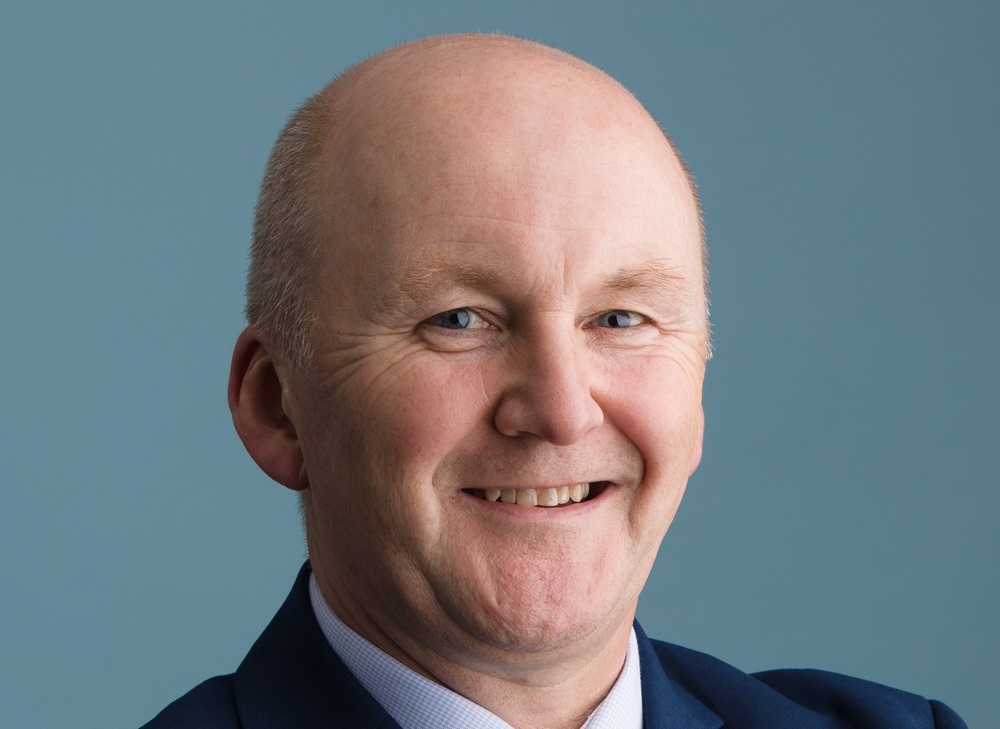
Dr Wyn Meredith, Chair of CSconnected, and a founder of South Wales’s compound semiconductor cluster
I was thrilled to find the South Wales-based compound semiconductor cluster named in not one, not two, but three of the Welsh manifestos at the start of the election period.
Welsh Labour calls it “world-leading.” Plaid Cymru commits to its “continued development”, and The Welsh Conservatives reference “Semiconductor Growth Zones” as a category of national priority.
As someone who has spent the better part of two decades building this cluster alongside some of the most talented engineers, researchers and business leaders in Wales, this was hugely reassuring.
For many years, simply explaining what compound semiconductors were felt like the whole job. And if you’re still not clear, it’s the industry powering the chips in your phone, the sensors in electric vehicles, the technology that makes radar work and 5G reliable.
While many parts of the Welsh industry have been in decline during this period, the compound semiconductor cluster has continued to thrive, quietly leading what is set to become the next Welsh industrial revolution. Now recognised by three of the Welsh political parties,
The world’s first compound semiconductor cluster, built in Wales
The compound semiconductor cluster in South Wales is not just a first for Wales, it has established a global reputation within the industry, home to some of the world’s biggest players such as Vishay, KLA, Microchip, and IQE.
This success is demonstrated most succinctly by recent figures published by Cardiff University’s Welsh Economy Research Unit regarding the cluster’s economic contribution.
The South Wales compound semiconductor cluster now supports £436 million of Welsh GVA and 3,140 Welsh jobs. Those jobs pay an average salary of around £66,000, roughly twice the Welsh median. More than 90% of industrial output is exported, making this one of the most intensely export-led sectors in the Welsh economy.
Every £1 million of GVA the cluster generates directly supports a further £630,000 elsewhere in Wales through supply chain activity and wage spending.
The growth has been sustained during a period when UK manufacturing employment has broadly been under pressure, with much of Welsh heavy industry going the same way.
Yet since 2020, the total Welsh jobs supported by the cluster have grown by 51% and the contributed Welsh GVA has almost doubled. This has not happened despite the economic conditions, it has happened because of the deliberate, structured way the cluster was built.
The mention of the cluster across three manifestos is more than recognition of potential, it is an acknowledgement of the economic impact already delivered to Wales by an established industrial reality.
The power of Strength in Places funding
None of this was inevitable. In 2020, the UK Research and Innovation Strength in Places Fund invested £43 million to catalyse the cluster, a targeted, time-limited public investment designed to attract private capital, anchor academic and industrial partners around shared infrastructure, build much-needed skills, and propel the cluster to work as a single ecosystem rather than a collection of separate companies and organisations.
Critically, it was supported by the creation of a cluster convenor, CSconnected, who acted to ensure development was well-disciplined with clear objectives, independent evaluation, and accountability for its outcomes.
As that model comes to the end of its funding cycle, the cluster has proved the concept, significant inward investment has been secured across all four of its biggest partners, there are many skills development programmes in place, and key political figures regularly visit.
As the next Welsh Government comes to power, the opportunity awaits to take this to the next level of global competitiveness. As competing nations scale their own semiconductor capability at pace (the United States under the CHIPS Act, the European Union under the European Chips Act), Wales has a unique opportunity to extend a head start in an industry set to reach a value of $1trillion by 2030.
A 2030 ambition already in progress
As a cluster we’re clear on our vision on how we’ll scale. £1 billion in cluster revenue with 6,000 skilled jobs by 2030. These are ambitious but achievable. The cluster has nearly doubled its economic contribution in five years. Doubling again over the next five is realistic, but there are three critical asks from the new government.
First, the cluster must be named and positioned in the next Welsh Government’s economic strategy. Manifesto sentences are encouraging starting points but that must translate into a Welsh Industrial Strategy that treats compound semiconductors as a priority sector in driving economic ambitions for our country.
Second, Welsh Government economic development support needs to align with the cluster’s growth trajectory. That means inward investment decisions, planning frameworks, infrastructure investment and skills provision all pulling in the same direction. There are parts of that picture today where they do not.
Third, the targeted-investment model that made this cluster possible needs its next phase to be confirmed. As the UKRI programme cycle closes, the cluster needs clarity on what comes next, not open-ended subsidy, but the kind of catalytic public investment that has already demonstrated it delivers measurable returns for the people of Wales.
This is an opportunity for all the people of Wales
While the cluster’s physical infrastructure is concentrated in South Wales, its economic reach is not.
The cluster supports £567 million of GVA across the whole UK, of which £436 million stays in Wales.
Every direct cluster job supports 1.29 additional jobs in the wider UK economy. Supply chain relationships extend across Welsh regions. The skills pipeline draws from Welsh universities and colleges far beyond the cluster’s postcode. When the cluster grows, the benefit to Wales grows with it.
This is one of the very few Welsh economic stories in which the national interest and the regional benefit genuinely align. It is not a story about one city or one constituency. It is a story about what Wales is capable of building when public investment, private ambition and research excellence point in the same direction.
An invitation
The next Welsh Government has inherited a working industrial cluster that competing nations are trying to build from scratch. The choice is whether to give it what it needs to reach its potential or to watch the head start erode while the world catches up.
Dr Wyn Meredith is Chair of CSconnected and Founding Director of the Compound Semiconductor Centre. He has worked in the compound semiconductor industry for more than 25 years.
Support our Nation today
For the price of a cup of coffee a month you can help us create an independent, not-for-profit, national news service for the people of Wales, by the people of Wales.
Get more trusted Welsh news
Choose Nation.Cymru as a preferred source in Google News to see more of our journalism.



Good read. Best wishes for the future.