


How Ebbw Vale could shed its ‘Fattest Town’ label
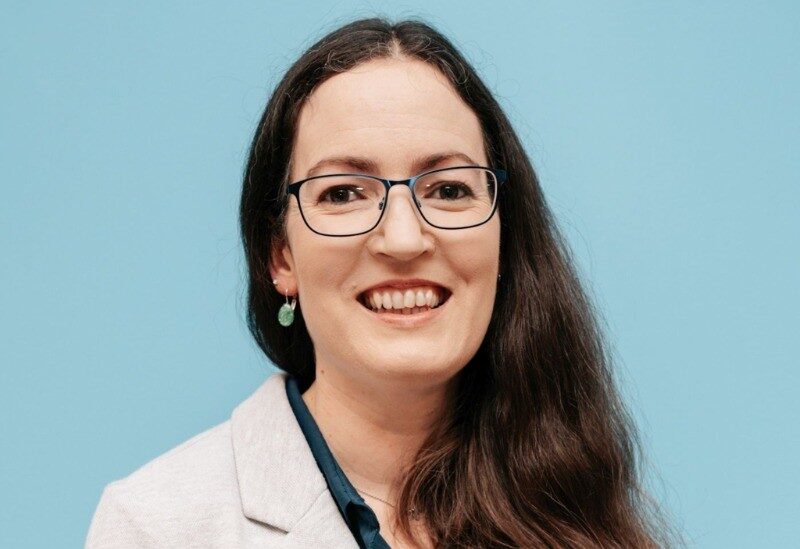
Dr Carys Bennett
However unofficial the dubious honour, learning that your hometown has been dubbed “the UK’s fattest” is sobering.
I sympathise with the health battles – obesity, type two diabetes, heart disease and cancer – many of my fellow Ebbw Vale residents face due to poor diets, often exacerbated by poverty and inequality.
Despite “fat jabs” dominating headlines, there’s no single “magic bullet” for weight loss. But the science is clear on one thing: a healthy, animal-free diet helps prevent excessive weight gain and reduces our risk of some of the UK’s deadliest chronic diseases.
Animal-free diets have long been linked to better cardiovascular outcomes. A 30-year-long Harvard Health study found that participants whose diets contained the highest ratio of plant to animal protein had the lowest risk of cardiovascular disease, coronary artery disease, and stroke.
A major new study of over 80,000 people also found that vegans had the lowest risk of developing cancer overall. In another study, participants saw “significantly lower” insulin levels after only one month of eating plant-based meals. Research consistently shows that vegans have lower body weights than non-vegans.
While our health is priceless, living vegan isn’t just about us. If you’re improving your health because you hate the idea of being confined to a hospital bed (or worse, dying), spare a thought for the animals who are routinely confined and killed for their flesh.
Right now, in Wales alone, over 13 million farm animals are trapped on filthy factory farms, awaiting a violent and terrifying slaughter at a fraction of their natural lives.
Each of these animals is a unique individual, no different, in all the ways that matter, to us, or the animals with whom many share their homes.
Yet in the food system, clever chickens, who can recognise over 100 faces and show empathy, suffer from skeletal deformities, lameness, heart failure, and respiratory problems. Sensitive pigs, who are among the most intelligent, social animals on earth, are prevented from turning around to see their babies. Cows used for dairy are increasingly confined to “zero grazing” operations and have calf after calf taken from them so we can have their babies’ milk.
Animal agriculture is also terrible for the environment. Animal farming drives deforestation and biodiversity loss, and is responsible for nearly 60% of all food-production greenhouse gas emissions, including the potent warming gas methane.
Commercial fishing devastates ocean dwellers and their habitats, and pollutes coastal areas where fish farming is rife. No wonder Oxford University researchers have concluded that adopting a vegan diet is likely the “single biggest way” to reduce an individual’s environmental impact on Earth.
Going vegan is easy. Supermarkets are brimming with tasty vegetables, fruits, rice, pasta, beans, and other life-giving whole foods.
There are vegan versions of everything from bacon to cream cheese, meaning you can start making simple plant-based swaps within the meal plan you already follow. And if you’re looking to spend fewer pounds as you shed more ounces, you’ll be happy to know that vegan eating can even slash your food bill by up to one-third.
There are also loads of vegan options at restaurants and cafes. I love dining out, and some of my favourites include the vegan Thaali at BOOM, or the homemade nut roast for Sunday lunch at Morgans Wine Bar.
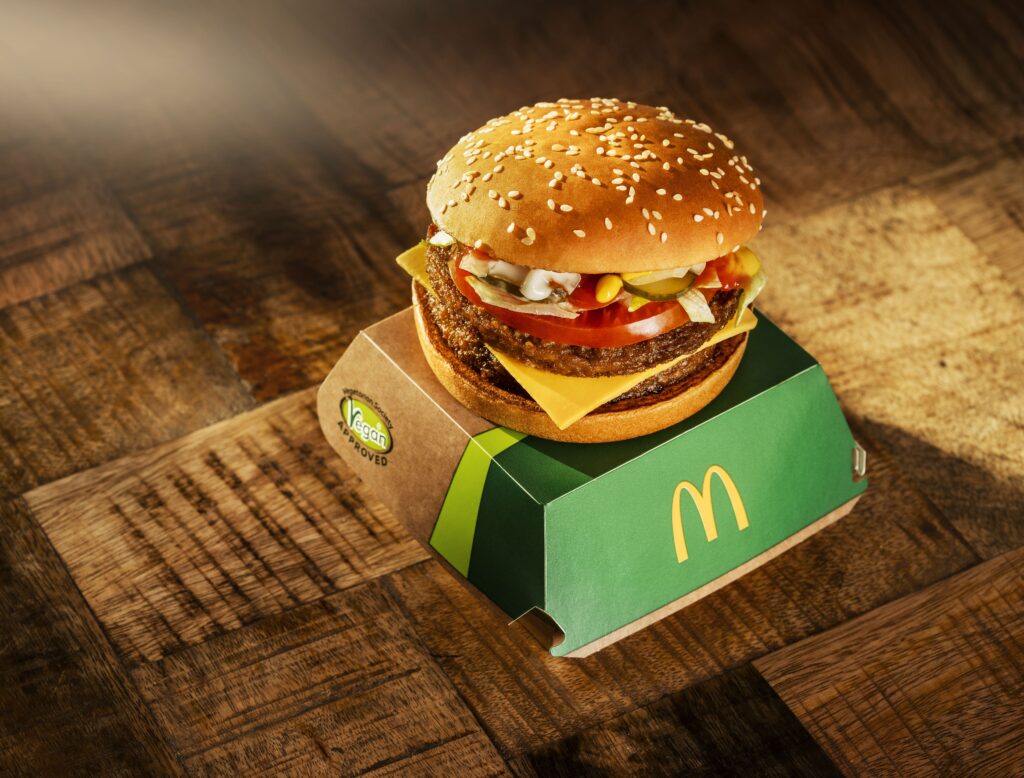
You don’t even have to avoid the occasional KFC, Greggs or McDonald’s as they all offer vegan options, and one study found that swapping products taken from animals for even processed vegan foods leads to weight loss. Switching a Big Mac for a delicious McPlant cuts 83 calories.
Eating well is about giving our bodies the care they deserve so we can live longer and enjoy our time here. The Global Burden of Disease study revealed that the “optimal” diet is plant-based and can add up to 10 years to our lives. That’s more time to play with our kids, see the world, and make the most of each precious second.
In my 25 years as a vegan, I’ve found that community and knowledge are important parts of helping people make a change: I run a group that visits vegan-friendly cafes in the valleys and give plant-based cooking demonstrations at events.
I encourage everyone to give vegan a try, and you can download PETA’s free Vegan Starter Kit to make it easy. We can be healthier while also protecting the planet and helping animals, making going vegan a win-win.
Dr Carys Bennet lives in Ebbw Vale and is Senior Corporate Projects Manager at People for the Ethical Treatment of Animals, PETA.
Support our Nation today
For the price of a cup of coffee a month you can help us create an independent, not-for-profit, national news service for the people of Wales, by the people of Wales.



This is a vegan opinion piece to promote ultra-processed foods by Carys Bennett the Senior Corporate Liaison Officer at PETA. Plant based ultra-processed foods have no role in combatting obesity and is certainly not an option for the good people of Ebbw Vale which she fat-shames. The studies quoted in the article do show a correlation between health outcomes of those who follow the vegan fad, but that’s a reflection of social demographic of the cohort rather than any causality. As for the claim that animal husbandry is “terrible for the environment”, this claim is baseless. The environmental destruction is… Read more »
I don’t know why you cite this study it doesn’t support your case. As you could easily find out most of the soy that causes deforestation is grown for animal feed. We could transition, where land permits to growing much more of foods that make our diets more plant based in Europe as all of the leading science shows this is far healthier ( just look at what all the dietary recommendations from places withless industry influenced guidelines are saying Denmark, Japan, Canada for example ) I don’t know why you mention avocados as they’re not a necessary component of… Read more »
Japan has higher meat consumption per capita that both Europe and north America. With better health outcomes although that might be to do with higher amounts of fish. The highest meat consumption per capita in Europe is Italy often marketed as the Mediterranean diet. Only 2% of soya imports to Britain goes to feed red meat, with the larger share feeding intensive poultry, however, the majority is processed into human consumption. The vegan lobby and ultra-processing industry should stop spreading unfounded conspiracy theories.
Most of the soy grown that causes deforestation is for animal feed as I said. The Mediterranean diet references a specific plant predominant type recommended by expert consensus because of proven health outcomes not just what a lot of people eat now in Italy. The increased red meat consumption in Japan (it’s much lower than US and UK) caused by westernisation is a major public health problem. But the problems of increased meat especially red meat consumption and worse health outcomes and the enormous land use requirements of meat production compared to increasing the amount of plant pritein in our… Read more »
The land used for livestock is not the same land and is unsuitable for arable (plant) crops. You cannot drive combine harvesters up mountains. Also, land used for animal husbandry is most nature diverse whilst land used in arable agriculture become wildlife deserts.
One of the biggest issues is the UK government. Virtually every service station only sells 100% junk foods. At Aldi checkouts are junk food and National Lottery tickets.
NFU Cymru should launch its’ own logistics network and locations to sell the products.
I think this is a major issue and we should have rules over what can be sold and some local authority programs to get good produce for local businesses / co-op’s to staff these places and offer healthy foods. I can’t see nfu who are really just lobbyists for their current business model being a significant part of it though
Priority placement of ultra processed food in outlets is not by the NFU. That is by Unilever, Mars, and Craft foods, the multinational conglomerates. It is ultra-processed vegan produce of high sugar content.
Well I think that’s obvious to everyone. My point is clearly that NFU is not where the solution lies as they’re just business lobbyists for farmers and the UK’s methods are dominated by big meat and dairy as well as people who inherited vast amounts of land. Society as a whole needs to decide on a healthy sustainabile way forward not industry lobbyists from mega corporations or big farmers lobbys