


Is it time we stopped being triggered by trigger warnings?
James Downs, Mental health campaigner
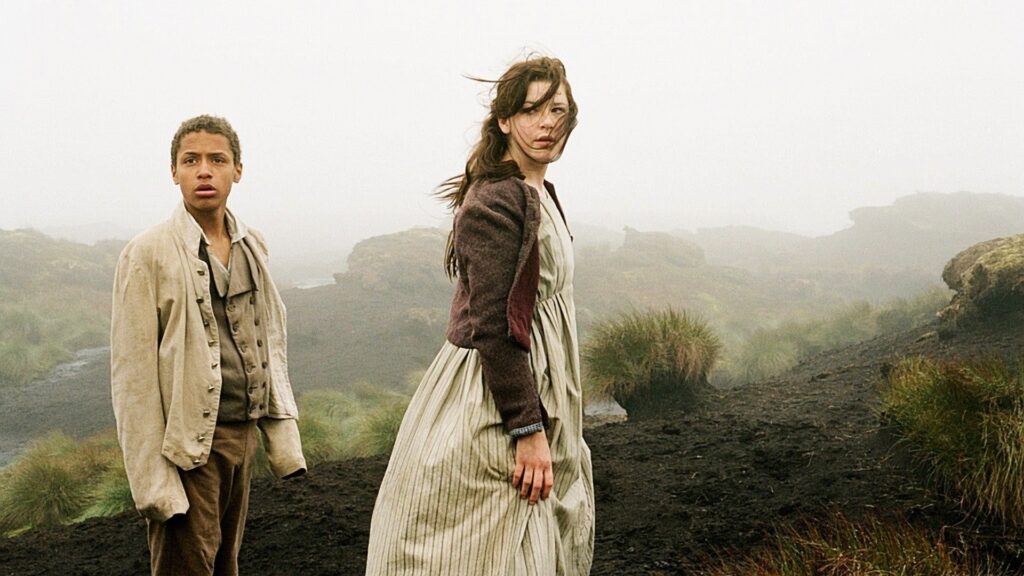
Last week, BBC Wales ran a prominent story about Cardiff University putting a ‘content warning’ on a literature module featuring Wuthering Heights. The article framed this as part of a wider debate about whether universities are going too far with content warnings.
But when you look a bit closer at what the university had actually said, the supposed controversy begins to evaporate. What is being treated as a significant cultural symptom is, in practice, a very ordinary piece of course information.
The Cardiff module in question, Gothic Fiction: The Victorians, has been running since 2022 (at least). The module description tells students that several texts on the course contain “difficult themes”, including misogynistic, homophobic and racist attitudes, and “graphic representations of physical and sexual violence”, and it invites students with concerns to contact the module leader.
That is not a ban, a demand, or a moral judgement – it is just a description of the course material. It is also not about Wuthering Heights alone, since the module includes Dr Jekyll and Mr Hyde, The Picture of Dorian Gray, and Dracula as well.
Why is this a story?
What turns this into a “story” is not the wording itself, but the broader discourse around content warnings, which have become a dependable culture-war prop. Once the phrase “content warning” appears, the rest of the script more or less writes itself: students are fragile, universities are pandering, literature is under threat, and common sense must be restored.
The actual practice being described is usually much more mundane. In this case, a university has told students in advance that a module on Victorian gothic fiction includes violence, prejudice, and other disturbing themes. If a module includes racism, misogyny, sexual violence, or homophobia, saying so is not an act of panic – it is simply part of telling the truth about what is being taught.
What literary study is actually for
There is a basic distinction here that much of the commentary ignores: describing difficult content is not the same as discouraging engagement with it. Students are not being told not to read Emily Brontë – they are being told what kind of themes they will be expected to grapple with when they do.
After all, literature degrees are not designed to protect students from disturbing material. Their very purpose is to help them analyse literature, argue about it, place it in context, and understand its multiple meanings and evolving interpretations over time. Students do not sign up to study literature expecting to like, enjoy, or agree with everything they read. They are not naïve, either, and will understand that darkness, conflict, and disturbance are not accidental in gothic fiction – they are part of why the material is being taught at all.
Description is not discouragement
The problem, then, is less the content warning itself than the way warnings are repeatedly problematised – or in this case, dragged up from an old module description because Wuthering Heights has had another cinematic remix.
Professor Timothy Baker from Aberdeen University has argued that much of this debate says little about teaching, and instead reflects a stale culture-war narrative in which students are caricatured as “mollycoddled” and universities as absurd. He has also made the more practical point that receiving information in advance can help students prepare for difficult classroom discussions, rather than shielding them from them.
A recent analysis from the Bristol Institute for Teaching and Learning on preparing students for distressing and traumatic teaching material found no conclusive evidence either for or against content warnings in higher education. However, it did find strong support for giving students information in advance and treating that as a matter of agency rather than avoidance. This shows how providing more information doesn’t sanitise teaching, but can help students engage with difficult content as adult learners.
This fictional controversy distracts us from more important problems facing young people
This recurring, confected argument about content warnings often depends on a very narrow and ungenerous picture of young people. Students of this generation are cast as uniquely delicate snowflakes, unable to tolerate ambiguity, conflict, or discomfort.
But this is not a serious or respectful account of what it means to be a young person today.
What about the reality of young people having grown up in a world shaped by climate breakdown, deepening inequality, and profound economic insecurity? What about the difficulty of even getting to university in the first place, only to emerge with significant debt into a housing market that is increasingly out of reach, insecure work, and an uncertain future? What about the pressures of high rents, stagnant wages, mental ill health, social isolation, and the exhausting sense that stability is always receding further into the distance?
Every time ordinary academic practice is inflated into a symbolic battle over fragility and free thought, attention is pulled away from these much more serious questions about the conditions in which young people are studying and living. And if this really is a generation that seeks protection from difficulty, it is only because they are saturated in it.
If we are serious about understanding the challenges faced by students, then there are much bigger things to worry about than whether a module description says that Wuthering Heights contains violence and cruelty. The real issue is that public debate keeps choosing easy caricatures of young people rather than confronting the difficult realities that shape their lives.
James Downs is a mental health campaigner, researcher and expert by experience in eating disorders. He lives in Cardiff and can be contacted at @jamesldowns on X and Instagram, or via his website: jamesdowns.co.uk
Support our Nation today
For the price of a cup of coffee a month you can help us create an independent, not-for-profit, national news service for the people of Wales, by the people of Wales.
Get more trusted Welsh news
Choose Nation.Cymru as a preferred source in Google News to see more of our journalism.



This is a consequence of one type of virtual reality. Also I have noticed over 40 years of medical practice the tendency to medicalise bad behaviour and assert that people who do bad things must be mentally ill. Parallel with this is the imposition of middle class ideas and aspirations on ordinary people who may not have a wish to participate in those things and have their own ways of coping.
It doesn’t bother me having trigger warnings and it says a lot about a person who gets enraged about it. What harm are they really causing?
Good article, I’m still not convinced on trigger warnings but this put it into a context I can understand. The only bit of the article I didn’t feel was necessary was when the author went on about the difficulties young people face today. Young people have always faced difficulties, the cane or strap, not being able to get to university because they didn’t get taught Latin or greek, the threat of nuclear war, working in heavy industries and the generation before? War. Life is difficult at that age in any age.
We turn ourselves inside out in an attempt to “protect” young people from even reading anything that might offend them but in doing so totally miss the point that life is tough and part of growing up is dealing with things.
Our grandparents and great grandparents faced being called up for war – imagine that? These days we are terrified they might read some words they don’t like. We’ve lost all touch with reality.
Did you actually read and comprehend the article? The writer spent some considerable time explaining that young people are not being shielded, merely informed that they will be dealing with some difficult scenarios, much as a road sign might inform of a slippery road ahead with potential rock falls.
I left school in the early 70s and it wasn’t wonderful, but I didn’t face anything like the fundamental challenges young people face today. Jobs (usually crap ones) were plentiful and easy to get. They may not have been wonderfully paid, but it was more than enough to keep body and soul together and enjoy a few life’s pleasures. Finding somewhere to live that was affordable was also relatively easy, and once established in regular employment an application for social housing could be made. The Cold War may have been an existential reality, but the truth is that in terms… Read more »