

Journeying to Welshness: ‘As a nation, we deserve better’
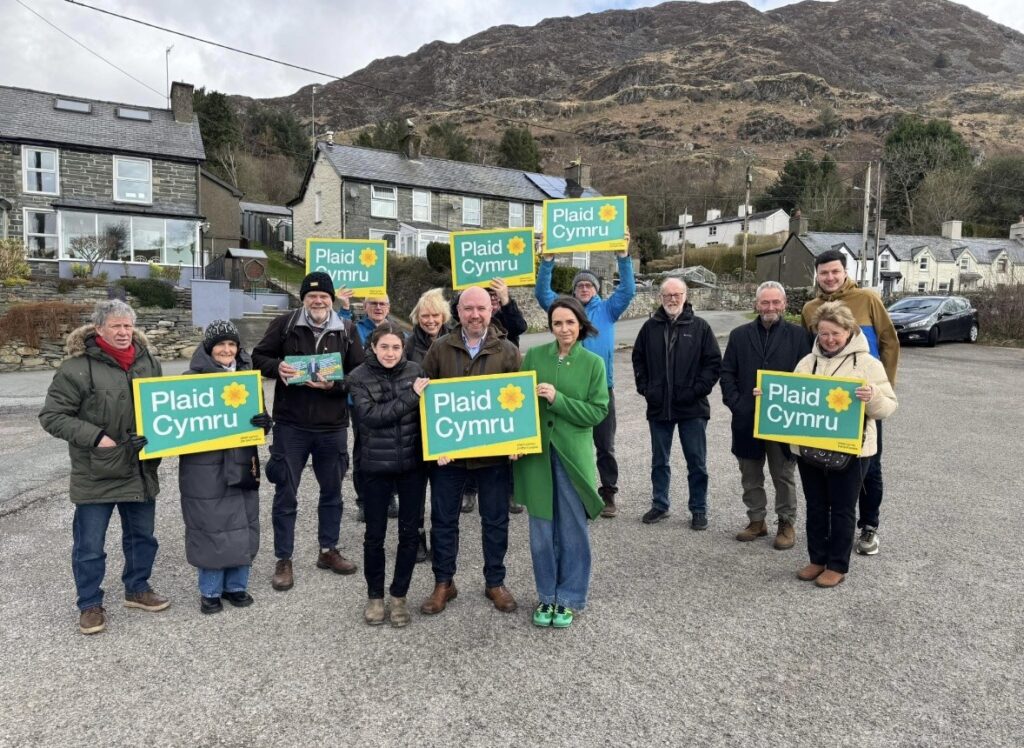
Beca Brown, Plaid Cymru
With just under a week to go until the Senedd election, we may need to invent a few more adjectives with which to describe the 2026 campaign. It’s certainly been “a lot”, as my children would say – and what a moment this is for our nation.
Plaid teams have been out on the doors daily, and with each chime of the ubiquitous Ring doorbell, May 7th feels that tiny bit closer, and the stakes just a little bit higher.
Personally, I love canvassing – nothing beats the thrill of knocking, waiting, and not knowing what flavour of response awaits you. The vast majority of people are perfectly polite and chatty, even when they don’t support you. Others are less pleasant, and some are downright rude – but compared to the toxicity of candidate life online, doorstep conversations are an absolute pleasure.
As a politician, you carry these exchanges with you. They inform and shape your thinking, breathing the personal into policy and fire into political resolve.
Unsurprisingly, the themes that have come up most frequently on the doorstep are the cost of living, the NHS, frustration with both Labour governments, and a fear of what Reform gaining power would mean for Wales.
But one particular matter has come up time and again, sparking some really heartfelt conversations with Welsh speakers and non-Welsh speakers alike. When Nigel Farage was paid a paltry sum to refer to those who speak Welsh as “foreign”, his words hit a tender spot in our collective calonnau. Many speakers, non-speakers, and new speakers of Welsh were united in feeling disrespected, derided, and dismissed.
Because whether or not we speak Welsh – whether or not we are Welsh, and whether we were born here or came late to the party – the people of Wales are immensely proud of our language and heritage. When Farage smarmed those spiteful words, something shifted – and boy did we hear about it on the doors.
Add to that the bone-chilling spectre of Reform taking charge of how Welsh history is presented in our museums, and the doorstep mood became very different. From Rhosllannerchrugog to Rhosgadfan, the response has been the same – ych a fi.
Tiresome trope
If ever there was an election that finally laid to rest that tiresome trope that Plaid is just for Welsh speakers – this is it. As a Plaid campaigner of more than a decade, this myth has always been a feature of the doorstep experience: “No, sorry, I can’t vote for you because I don’t speak Welsh/I’m not Welsh/I’m not from here.”
This fallacy has lingered because bad-faith actors have pushed it for years. It still surfaces on social media from time to time, and people can’t be blamed for wondering if it might be true. Spoiler: it’s not.
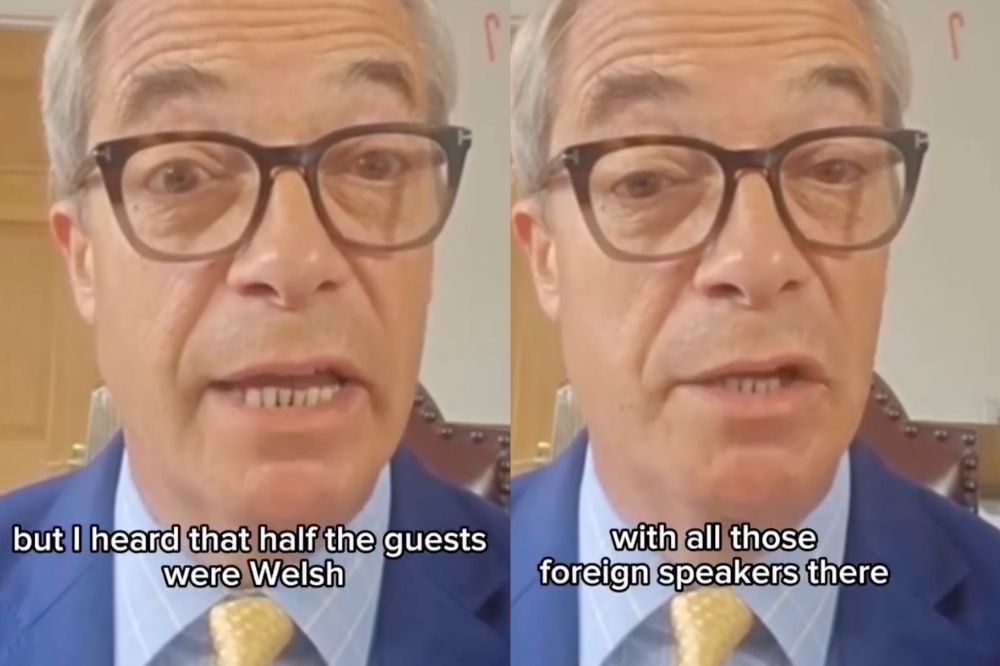
It probably wasn’t what Farage had in mind when he recorded that video, but by punching down at the Welsh he’s had a strangely unifying effect on many of us who love where we live and care deeply about Cymru.
People come to Wales – and to Welshness – along many different paths, and we’re fiercely protective of who we are and what we have.
As someone who is here courtesy of my English parents who moved in, I love a doorstep conversation that begins with “I’m sorry, I can’t vote for you because…” I invariably come away from those exchanges feeling richer for having had them, and confident that a door to Plaid has at least been opened.
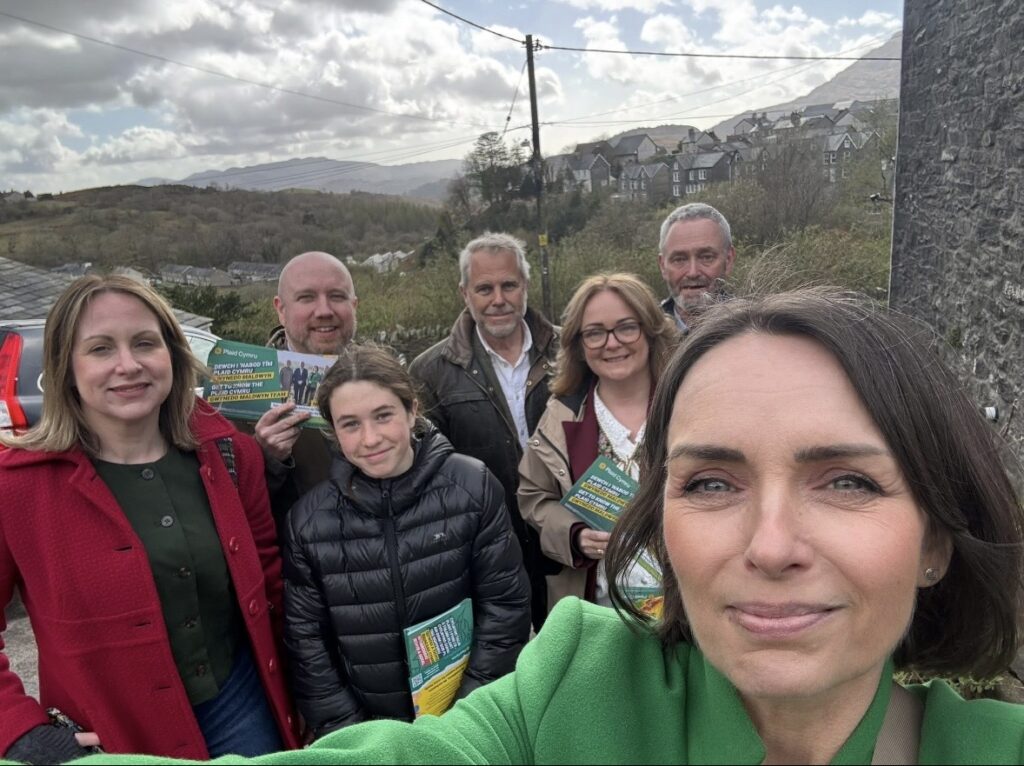
The super-constituency of Gwynedd Maldwyn boasts a vibrant patchwork of communities stretching from Pen Llŷn to Pen-y-cae. Some belong to the linguistic heartlands of Wales, while others have far fewer Welsh speakers but are often proudly Welsh-identifying.
Journeying to Welshness
When people tell me about their journey to Wales, to Welshness, and to the Welsh language, their stories resonate strongly with me. I’m proud to be a candidate for Gwynedd Maldwyn, because my own story was shaped by some of the communities within this vast constituency, and by the many opportunities offered here.
Returning to my Meirionnydd roots has been a particular treat over the past few months, as the campaign has taken me back to my old stomping ground of Dyffryn Ardudwy.
Dyffryn holds a special significance for me, as it is the village that gifted me my Welshness – and my Cymraeg. My parents had moved to Wales from England – initially to Brecon, where I was born.
Two years later we settled in Dyffryn, where the late Anti Beti from the local Ysgol Feithrin knocked on our door and asked if little Rebecca would like to attend. That doorstep conversation would be the start of something rather special.
Ysgol Dyffryn Ardudwy was my next stop at the age of four, where the primary school community – headed by Mr Gomer Roberts – was endlessly encouraging of my hesitant linguistic efforts. My Brummie mam picked up some Welsh from the reading books I brought home, before eventually enrolling at Coleg Harlech to learn formally.
A job change for my father took us to Waunfawr, Caernarfon, when I was eleven, where the fantastic local community was equally supportive of our growing appreciation of all things Welsh.
By this time, I had a decent grasp of Cymraeg, although my Meirionnydd Welsh could be slightly at odds with that of the Cofis. I said “wrach” and they said “ella”, but luckily there was no calling the whole thing off.
It’s worth noting that Gwynedd is the only county in Wales with a fully bilingual education policy – one that I’m proud to say has recently been revised and strengthened by Plaid-led Cyngor Gwynedd. Welsh is for everyone, and here in Gwynedd every child is given the opportunity to grow up with all the advantages bilingualism affords.
By now I was in secondary school, and as a young teenager at Ysgol Syr Hugh Owen, Caernarfon, I was packed off with my year to Glanllyn – the Urdd-run outdoor centre near Bala – and introduced to the many delights of that legendary establishment.
There was the fabled Black Nun, of course, who apparently still haunts the corridors of unsuspecting young kayakers. But the standout memory for me is the Glanllyn disco, where I probably first heard Welsh-language popular music.
‘We deserve better’
I still can’t listen to ‘Ysbryd y Nos’ by Edward H. Dafis without it stirring cringeworthy recollections of awkward slow-dancing and unrequited crushes. It was during that week at Glanllyn that I realised you really can do popeth yn Gymraeg – from canoeing to canoodling – and that Welsh was far more than a classroom subject.
We soon began attending Sesiwn Fawr Dolgellau as a family, and hearing live folk music at a relatively young age instilled in me a love of the genre, as well as a fascination with the past lives of the Welsh werin bobl that so often feature in our traditional songs.
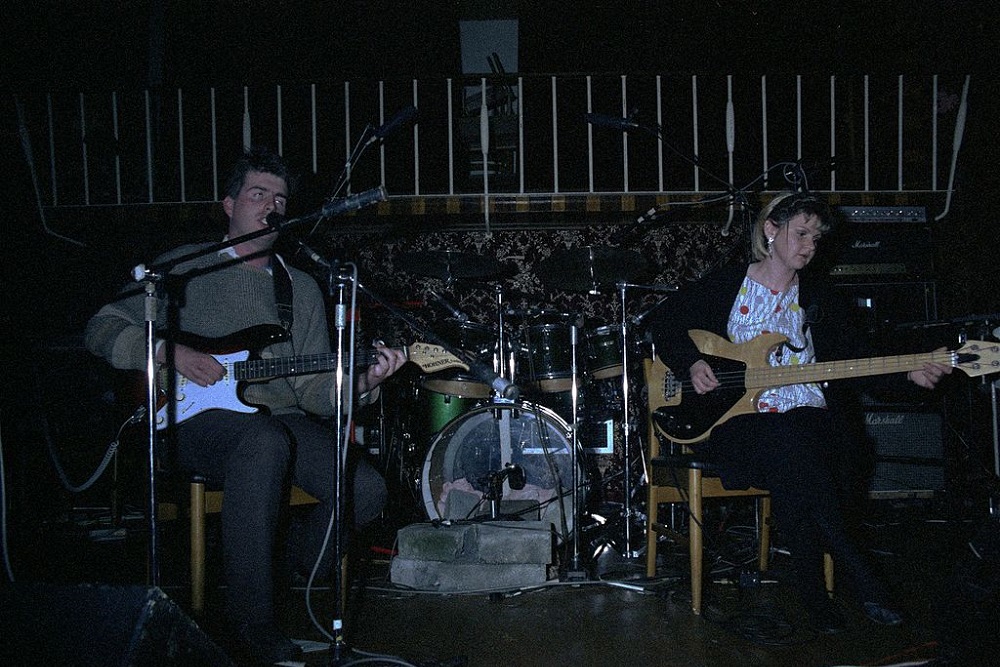
As I hit my mid-teens, the Sîn Roc Gymraeg quickly grabbed my attention, leading to long coach trips to gigs in Corwen with a stash of purple Mad Dog. Bands like Datblygu, Traddodiad Ofnus, and Gorky’s were the soundtrack to my formative years, and the loss of David R. Edwards in 2021 reminded me once again what a gift Datblygu has been to the world.
Welsh music has played a huge part in many people’s journeys to Welshness, and when I later found myself working with Welsh learners, I lost count of how many new speakers had first encountered the language through a band or a song.
After studying and working in Cardiff as a young adult, I returned home to Gwynedd twenty-one years ago, just before the birth of my second child. We settled in Llanrug, just outside Caernarfon – a village often described as the most Welsh-speaking in the world. My children have had the privilege of taking their bilingualism for granted – something that should be true of every child in Wales.
Farage was apparently paid around £106 to record his ‘joke’ video – and by taking a cheap shot at the rich culture of Wales, he has made himself the talk of the doorsteps, and not in a good way.
When Wales votes next week, we will take with us to the polling booth a hot cawl of complex emotions – some joyful, some painful – shaped by personal journeys, collective histories, and a burning belief that, as a nation, we deserve better.
And to the doorsteps of Gwynedd Maldwyn – diolch. Caring for our corners of Cymru is a serious business, and Plaid Cymru politicians are serious about getting it right.
Support our Nation today
For the price of a cup of coffee a month you can help us create an independent, not-for-profit, national news service for the people of Wales, by the people of Wales.
Get more trusted Welsh news
Choose Nation.Cymru as a preferred source in Google News to see more of our journalism.



Never has a truer statement been made by Plaid Cymru and Rhun ap Iorwerth. Wales indeed deserves better—better than the historical neglect we have suffered under both Labour and Conservative misrule. Enough is enough! We have the worst of both worlds: a Welsh Labour Government in Cardiff incapable of standing up for Wales’s interests, which, like a rabbit in the headlights, remains paralysed and obedient to London Labour. Then there is the terrible twosome—the Welsh Conservatives with Darren Millar and Reform UK, Dan Thomas, —both of whom prefer to attack, belittle, and betray Wales on behalf of their English overseers… Read more »
Cymru deserves better, and now is the time to get it.
Supporting reform won’t just prevent this from happening, it’ll reverse what we’ve managed to claw back.