


Living with bipolar: Why understanding matters now more than ever
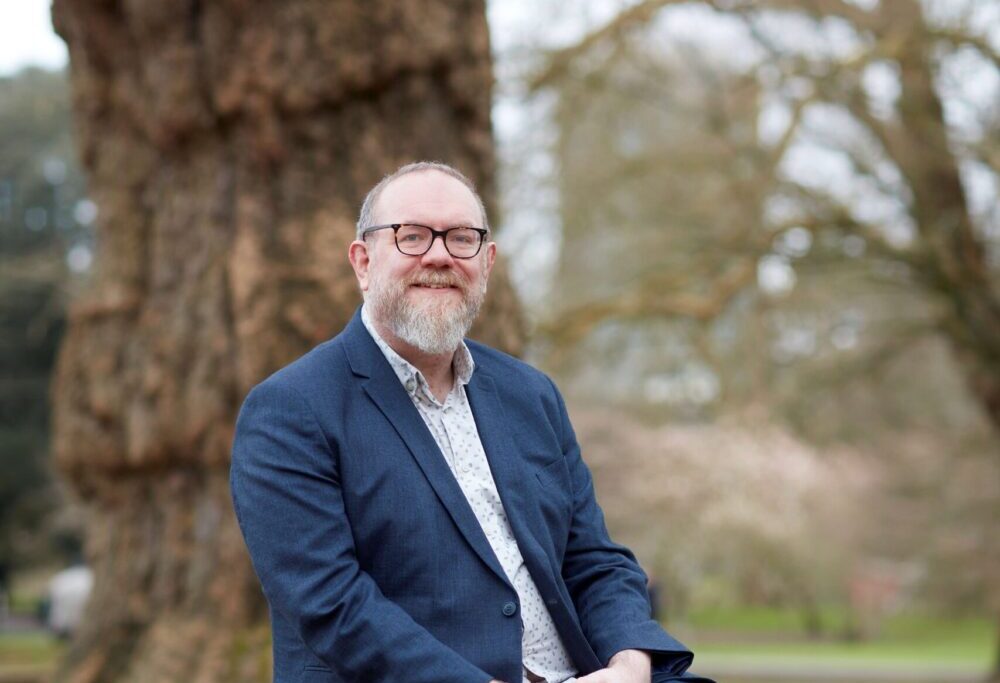
Mark Smith
As I write this, my mood is noticeably lower than it was yesterday, but bipolar disorder is so much more than ups and downs.
The illness that affects approximately 1 in 50 people in Wales, has the highest suicide rate of all mental health problems, and leads people to live 15-20 years less than the rest of the population, impacts all areas of my life.
I can go days without looking after myself properly, in terms of washing, dressing, eating, and getting out and about. I do, however, try my best not to miss my medication. My body clock is especially erratic, and as much as I appreciate settled sleep, it can all too often evade me.
I’m currently studying for a Master’s degree in mental health, and while I might have the inside knowledge of someone with bipolar disorder and anxiety, studying is particularly challenging when I’m not having a good day.
I’m also trying to put my years of experience living with bipolar to good use by working with NHS Wales Performance and Improvement, and Health and Care Research Wales – which brings together the NHS, local authorities, universities, research institutions and others – with a focus on severe mental illness and physical health.
Any work I do outside of my study is generally as an expert by experience in a self-employed capacity. I haven’t thought of my life beyond graduation yet.
While I want to expand my knowledge of mental illness, particularly bipolar disorder, I also know that what I have lived through could potentially help others. My experiences sadly stretch to suicide attempts, so I have been to the worst possible place that the illness can take you.
This year’s World Bipolar Day comes barely a month before the Senedd Election. I can’t emphasise how important it is for mental health to be as high up on the agenda as possible when it comes to candidates of all parties campaigning, and people thinking about who they’re going to vote for.
We’re a year into the current Welsh Government Mental Health and Wellbeing Strategy, and its delivery through to completion in 2035 must be allowed. Wales is in the process of having a new model of mental health service delivery implemented to make it easier for people to access support and create a more positive environment for clinicians, and I’m excited to see how things develop this year and beyond.
Stigma
One problem that also remains with bipolar disorder is stigma – negative attitudes and behaviour towards people with mental illness that generally stems from poor education, lack of awareness, and misinformation. I was involved in Wales’ national anti-stigma mental health campaign, Time to Change Wales, for 13 years up to its closure exactly one year ago.
I said it would be missed, and it is. I firmly believe supporting charities like Mind Cymru as a campaigner can help make a positive call to the incoming Welsh Government after May for a new campaign or way of addressing mental health stigma and discrimination.
According to Mind’s 2025 Big Mental Health Survey, in Wales only 76% of respondents said they would be willing to work with someone with mental illness in the future, compared to 82% in 2021. Fear appears to lie at the heart of the attitudes towards those of us with a mental health diagnosis. Whilst attitudes are impacted by a range of societal factors, findings like these demonstrate the need to continue to raise awareness and understanding around mental health in our communities. The hard-won changes secured by campaigns such as Time to Change Wales are fragile and need continued messaging in order to maintain a compassionate and supportive environment.
And, it is also why charities like Mind Cymru are calling for investment in anti-stigma programmes in its rallying call to the next Welsh Government.
Judge
The people who matter to me in my life know about my situation and they do not judge. They help in different ways. If you know someone with mental ill-health – bipolar or otherwise – ask yourself if you can support them and what that might look like. Sometimes, simply being a genuine listening ear is enough – you don’t have to fix someone.
Finally, I wish to emphasise diagnosis within the context of bipolar disorder. The average time it takes for someone to receive a bipolar diagnosis is 9.5 years – it took me 13 years. This happens for all sorts of reasons, but the illness can be confused with others, so is often missed.
This means there are many more people undiagnosed who are missing out on potentially life-saving treatment, and is another inequality that needs addressing. The medicalised approach to treating mental illness isn’t for everyone, but it can make a big difference to people’s lives – just as being diagnosed with bipolar has made a difference to mine.
Mark Smith is a Master’s student from Creigiau, Cardiff, who has been a mental health campaigner in Wales for the past 13 years. In addition to his studies and work with the NHS, Mark is also involved with the UK-wide Population Mental Health Consortium and the Public Health Wales-led ‘Hapus’ mental wellbeing initiative.
Support our Nation today
For the price of a cup of coffee a month you can help us create an independent, not-for-profit, national news service for the people of Wales, by the people of Wales.


