


Major infrastructure, minor investment: How should Wales invest in its communities?
Sarah Eyles
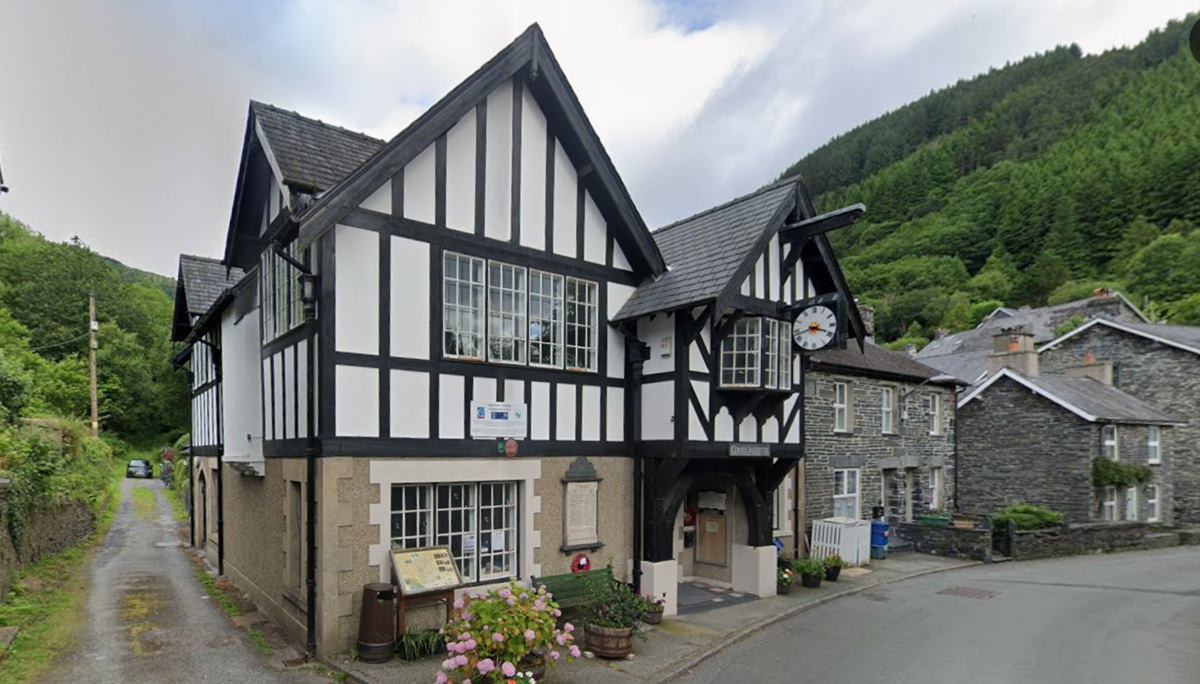
One of my much-loved memories of public investment isn’t of politicians making promises or ribbon-cutting ceremonies. It’s of my mother’s excitement when, in 2005, the Corris Institute secured European Objective One funding.
Built in 1911 through local subscription, the Institute had fallen into serious disrepair before European funding restored it as the heart of the community.
Objective One was the EU’s main programme for supporting economically disadvantaged regions.
What stayed with me wasn’t simply that the money arrived, but why it arrived. It recognised decades of industrial decline and under-investment by providing support because communities needed it, not because they had agreed to host a particular development or nationally significant infrastructure.
That philosophy now feels increasingly distant.
Wales has been here before
For more than 4,000 years Wales has supplied natural resources to the wider world: gold, lead, copper, slate and coal. Those industries provided livelihoods for generations and helped build Britain’s prosperity. Yet while the wealth generated by Wales’ natural resources often benefited the wider economy, investment did not always flow back into the communities from which those resources came.
Unfortunately, their environmental legacy remains: historic metal mine pollution still affects rivers, biodiversity and land management across Wales, reminding us that the consequences of industrial development can last for centuries.
A new resource economy
Renewable energy is essential if we are to reduce carbon emissions, but history encourages us to ask difficult questions before another major transformation of the Welsh landscape.
EU funding also supported the development of new renewable technologies in Wales. Projects such as Morlais, alongside companies including Marine Power Systems, demonstrate Wales’ potential to develop innovative renewable energy in ways that seek to minimise impacts on landscapes and wildlife. Those projects also remind us that renewable and green are not always the same thing.
Renewable describes the source of the energy; green asks whether it has been produced with the least possible cost to nature.
A changing approach to investment
After Brexit, Wales was promised that it would not lose out financially. Yet European Structural Funds were around £367 million per year, while the combined annual value of the Shared Prosperity Fund and Levelling Up funding has been around £245 million per year.
More significant even than the reduction in funding is the change in philosophy.
Objective One began by asking which communities most needed support. Increasingly, investment appears linked to projects, competitive bidding or major infrastructure, rather than long-term regional need.
The conversations we don’t have
For the past few years I have organised biodiversity awareness workshops on a volunteer basis, funded by the Brechfa Forest West Wind Farm Community Fund.
Earlier this year I attended a dinner organised to gather feedback from grant recipients about their experiences of the funding programme. The event brought together fund managers, representatives from RWE Renewables and members of the UK Government’s Net Zero team.
The evening began with a visit to Skanda Vale’s famous resident elephant. Over dinner, conversation naturally turned to the subject of new wind farm projects.
I suggested that if communities are expected to host nationally significant infrastructure, they should receive a much greater share of the long-term financial benefits. I also raised questions about turbine setback distances and the controversial proposal to route access to several wind farms through the National Trust’s Dolaucothi Estate.
I repeatedly heard variations of the same response: “But you’re benefiting from the fund!” The response made me realise how difficult it is to openly question developments when community funding depends on them.
Perhaps we had spent the evening avoiding the elephant in the room.
Public bodies, charities and environmental organisations also operate within an interconnected landscape where climate, biodiversity and renewable energy policies overlap. These interconnections extend into public investment too. For example, Welsh local government pension funds are indirectly invested in Bute Energy through the Wales Pension Partnership.
Independence matters because trust depends on the freedom to speak openly and question decisions. Even the perception of a conflict of interest can erode public confidence.
Investing in Wales
As Wales still faces the economic disadvantages once recognised through European funding, communities should receive sustained investment because they need it, not because they have to rely on hosting nationally significant infrastructure to attract it.
History never repeats itself exactly. Coal mines are not wind farms, and green renewable energy has an essential role to play in tackling climate change. Yet the questions of who benefits, who makes the decisions and who is left to live with the legacy remain remarkably familiar.
I find myself returning to my mother’s excitement when the Corris Institute received Objective One funding. She wasn’t celebrating compensation for accepting change; she was celebrating the fact that someone recognised her community as being worthy of investment in its own right.
If Wales has learned anything from its EU and industrial past, it should be this:
Communities should never have to choose between the investment they need and the landscapes, heritage and wildlife they cherish.
A community’s worth should never be measured by what it is willing to sacrifice, but by what it chooses to protect.
Support our Nation today
For the price of a cup of coffee a month you can help us create an independent, not-for-profit, national news service for the people of Wales, by the people of Wales.
Get more trusted Welsh news
Choose Nation.Cymru as a preferred source in Google News to see more of our journalism.



Massive congratulations to your mam first of all. It was not easy to secure funding, and well done to her doing so. You should both feel enormously proud. I would be really interested in a follow-up article about how to improve corris further. Renovating a community centre helps, but it doesn’t break that longer term cycle of rural places becoming less economically active, like we see in many parts of Wales. I agree, .oney from wind farms etc should be a given and mandated now as a requirement But I’ll be keen to hear how converting it, or providing something… Read more »
Thank you Peter, and yes, I absolutely agree that investment needs to be about much more than renovating buildings. But I think the wider point I was trying to make is slightly different. Corris was an example of a time when significant public investment was made in communities because those communities needed it, with the aim of strengthening them socially and economically. What concerns me now is the increasing idea that rural communities should receive substantial investment because they are hosting major infrastructure such as wind farms and pylons. I would much rather see the sort of approach you suggest… Read more »