


Oil lubricates the Welsh economy – at a price
Professor Stuart Cole, CBE. Emeritus Professor of Transport Economics and Policy, Prifysgol de Cymru / University of South Wales
The present Gulf war has affected the supply of oil from countries which account for an estimated twenty per cent of world production and has affected fuel prices in Wales.
The Welsh transport system cannot continue operating without an efficient and affordable oil supply.
Any interruption can have unexpected consequences. When the Covid-19 epidemic interrupted the oil supply chain it delayed the Valley Lines electrification programme through increased prices, and reduced supply of electronic components. The final stages of the electrification plan will hopefully not be affected.
Brent crude oil, although reflecting North Sea prices expressed in US$ per barrel ($pb), is used as a major benchmark for worldwide oil prices relative to other producers like the Gulf states.
Following successive conflicts in the Middle East oil prices have varied considerably. Over the last ten years Brent crude has varied between a low of $20 pb (2020) and a high of $ 119 (2022) pb. In recent months it has been between $60 and $70 pb (source: Trading Economics). Though as readers will have noticed the pump price has hardly followed a low price of crude oil. So who makes up the supply chain and the link between the barrel price and pump price?
The oil is extracted by state owned companies (e.g. Iran, Dubai) or their partners. Crude oil is shipped to UK refineries, sold onto wholesalers (e.g. Texaco) and onwards to retailers – the filling stations with whom drivers and vehicle owners deal and the prices paid.
The final retail price could be determined at any of those points. Some wholesalers and retailers have reduced their profit margins, others have not. Consequently the price for E10 petrol in 2025 and up to February 2026 in south Wales was £1.289 – £1.349 per litre. This weekend those prices have been between £1.409 and £1.479, an increase of under 10%.
Diesel prices have similarly increased but the range this weekend was between £1.629 and £1.749 (at locations one kilometre and 12p per litre apart. There is little price difference between ‘independent’ fuel outlets and those at supermarkets as often the fuel forecourt is operated by the same specialist retailers renting the space.
There is also a variation in per litre prices between those locations with several supermarkets and rural sites. This can be around 10p for petrol and 20p for diesel – a result of competition or bulk purchase. Though many filling stations are owned by groups also with high buying power achieving good discounts.
Large bus and logistics companies may shop around the wholesalers to get the lowest price or as large volume users hedge their purchasing in advance of need. One company’s current diesel stock purchased in bulk cost £1.493 per litre.
Increased bus operating costs will have to be passed on to the customer in fares, to cash-strapped local authorities in school contract or revenue support payments and to excursion holidaymakers. Freight will cost more to move so affecting manufacturing costs and retail prices
There has also been a degree of panic buying where customers fill the tank (£60+) instead of buying £10 – £20 worth of fuel. One filling station near Llanelli ran out in two days.
In a free-market (which the oil market is) demand exceeded supply during March thus pushing up the price of both petrol and diesel. A continuation of such price rises could contribute to inflation (even possibly stagflation) and the possibility of higher interest rates.
Shipping financial impact
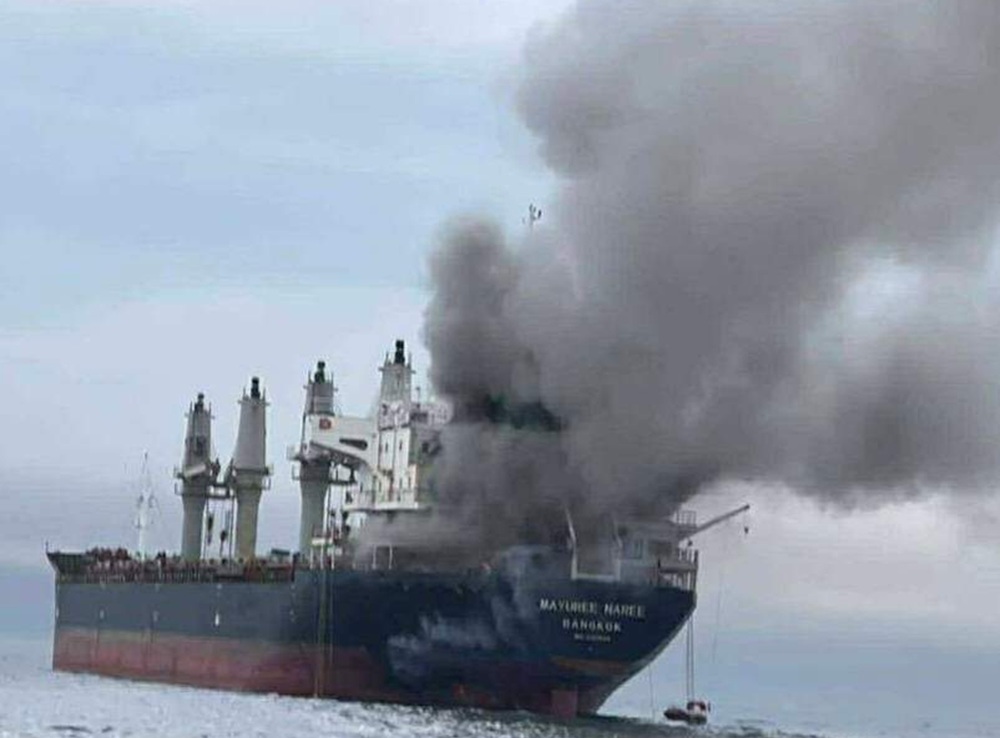
Owners currently have ships stacked on both sides of the Strait of Hormuz either because they fear for the lives of their crews and ships or their insurance policy excludes effects of war. If the shipping company took the risk and lost the ship it could be three years before a replacement is built such is the demand for new tankers in recent years and the extended lead time for delivery. Alternatively, it could pay a high rental premium for another vessel.
Ship owners whose ships are anchored in the Gulf or the Gulf of Oman are incurring costs with no revenue being earned. Ships not in dock must be fully staffed; ships engines are operating using fuel and the depreciation/hire cost still has to be paid.
Suez Canal concerns
The Suez Canal is the shortest route between Europe and the far east. Its closure on several occasions had an impact on goods distribution world-wide similar to that which we face now.
If freight shipping lines believed that the Suez Canal route posed an increased risk of attack on their freighters then they might decide to sail around the Cape of Good Hope. This would add two weeks onto the trip to/from Wales with consequent increased crew wages and fuel costs. These costs are passed on to the wholesalers and retailers in the short term but ultimately the consumer will pay through increased pump-prices or in the shops.
Just in time supply chains
The ‘just in time’ (JIT) operation of most retailers requires an efficient supply chain. Aimed at minimising stocks in warehouses and shops JIT also saves interest paid on the cost of borrowing or charges for extra goods space. To achieve minimum stock-cost levels retailers check daily sales against stock levels and stock orders. Any delivery delay will affect revenue and profitability and eventually prices.
Air Freight effects
Increased fuel costs for air transport logistics operators will increase total product costs and, within months, the cost of retail products.
Aviation fuel prices have risen though many airlines have cancelled flights (estimated at 20,000 per week) between Europe and the middle/far-east so saving fuel and some other costs. To the contrary there are increases in route lengths and fuel costs to avoid the war zone. The lost revenue will affect their current financial performance. Air freight capacity will also be affected by this reduction.
Products are indicated by the country-of-origin labels on clothing with a high proportion originating in China, Bangladesh, India or Pakistan. These light-weight products are often carried in the underbelly of airline passenger services. Cancelled airline services can create a backlog incurring storage costs and interrupting the supply chain of fashion brands for this year’s summer collection which should begin to appear in the shops this month and electronic and electrical goods for the European market sourced in for example China, Taiwan and South Korea.
In the view of international bankers this price rise will flatten out in the long run but will remain at the current level until the conflict ends and supply stabilises.
Support our Nation today
For the price of a cup of coffee a month you can help us create an independent, not-for-profit, national news service for the people of Wales, by the people of Wales.



And Nigel Farage and Kemi BadEnoch wanted to get in on this war.
How is the fertiliser and helium situation.
One thing ut has shown, we cannot rely on oil and we need to hit net zero faster.