


Queer joy deserves major cultural institutions too
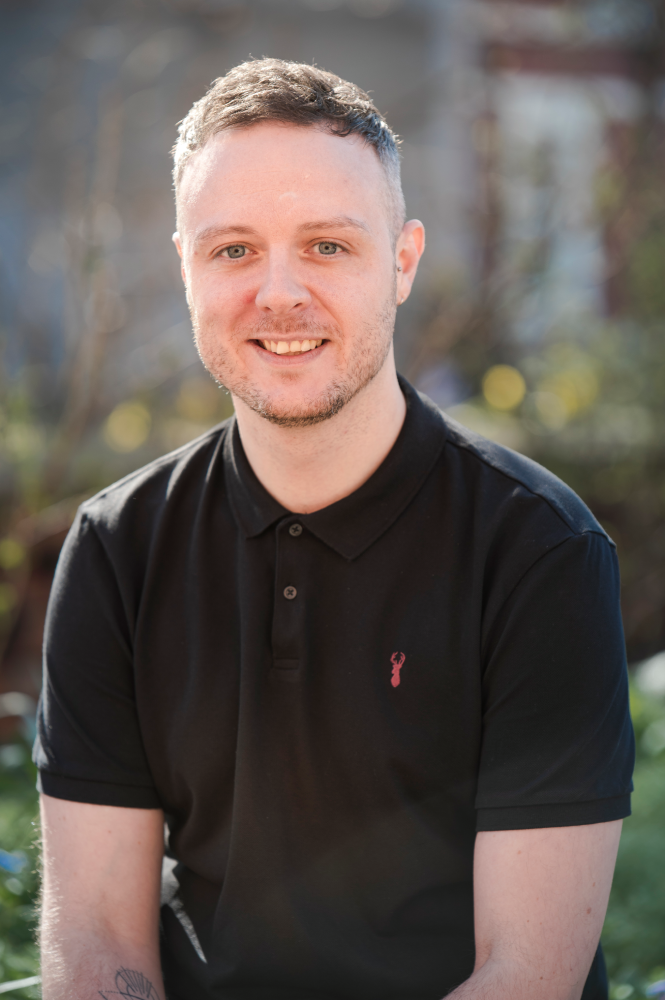
Aled Rees
As the producer of Cabaret at Wales Millennium Centre, I have the privilege of working with some of the most exciting queer artists and performers in Wales and beyond.
But I’m also someone who has spent years in the clubs, bars and independent venues where so much of queer culture is created. I’ve seen first-hand that these places are about far more than entertainment.
They’re where friendships are formed, confidence is built and communities find one another. They are where life happens.
That is one of the reasons Pride has always felt so important to me. Of course it’s a celebration, but it’s also a moment when the wider world stops and pays attention to communities, artists and spaces that exist all year round.
The parade itself may last an afternoon, but queer culture is built in the weeks and months in between: in the drag nights, the cabaret shows, the independent gigs and the local venues; through the performers, producers and volunteers who make them happen; and among the people who keep showing up for one another.
Which is why it matters that, across the UK, we’ve watched too many LGBTQ+ spaces disappear, often because of rising costs or changing nightlife habits.
When a venue closes, we lose more than a business. We lose somewhere people felt safe to be visible, somewhere artists could take risks and somewhere communities could gather without having to explain themselves.
That’s why the conversation around queer spaces is about much more than nostalgia for a night out.
And while those conversations often focus on London or Manchester, it’s just as important that we have those spaces here in Wales. Queer artists and audiences shouldn’t have to look to England or beyond to find bold, ambitious and unapologetically queer culture.
It should be part of our own cultural landscape and our own national story.
One of my favourite parts of my job is talking to the artists who come to perform at Cabaret at Wales Millennium Centre.
Many have spent years travelling the country, putting on brilliant shows in rooms above pubs, independent clubs and pop-up spaces.
They’ll talk about nights they’ll never forget and communities that embraced them, but also about getting ready in sometimes shabby makeshift dressing rooms and trying to create something extraordinary with very little. That’s the reality for so many queer performers.
Queer culture has always been built in places like these, often because it had nowhere else to go.
So there is something quietly powerful about welcoming those same artists into Wales Millennium Centre.
They arrive at an iconic building that sits at the cultural and civic heart of Cardiff Bay, a place that has become one of the defining landmarks of modern Wales.
And they bring with them all the energy, irreverence and creativity of the grassroots scene, and suddenly that world isn’t hidden away in the margins – it’s visible, celebrated and exactly where it belongs.
And you can see what that means to people. You hear it afterwards too. In our most recent season, the vast majority of audience members who shared feedback rated their experience as good or very good, with “relaxed” and “inclusive” the words they reached for most often.
For me, those words matter more than any score, because they capture something of what these nights are really about.
The beauty of cabaret as an artform is that it has always refused to separate entertainment from community. It gives artists space to experiment and audiences the chance to experience something they might never have encountered before.
Cabaret’s intimate 150-person capacity and unreserved, table-based seating means I’ve watched people arrive nervously on their own and leave having made new friends.
I’ve seen audiences discover performers who reflect versions of themselves they’ve rarely seen represented on stage.
I’ve watched artists who started out in tiny grassroots venues perform with a confidence that comes from knowing they are valued. Those moments might seem small, but collectively they are how culture changes.
That is also why I believe major cultural institutions have a responsibility to make space for queer voices throughout the year, not just during Pride.
Not because they should chase trends or make symbolic gestures, but because they should reflect the richness and diversity of the communities they serve.
Institutions like the Wales Millennium Centre have long been synonymous with musicals, grand opera, ballet and other large-scale productions, and rightly so.
But they can also be places where audiences encounter drag, burlesque, queer storytelling and artists whose work resists easy categorisation. In the case of the Wales Millennium Centre, that spirit of creative openness already exists; it’s simply a side of its identity that deserves to be better known.
One of the most exciting things I’ve noticed over the last few years is the growing confidence of the Welsh queer creative scene.
More artists are making work here, more audiences are embracing it and we’re beginning to see queer performance not simply as something to host, but something to nurture and invest in.
That matters, because it means queer culture in Wales isn’t borrowing an identity from somewhere else – it’s building one of its own. And that confidence is contagious. It encourages programmers, producers and artists alike to be bolder, more ambitious and to believe that the next generation of queer work can be created here, for Welsh audiences, on our own terms. And you’ll be seeing more of this coming out of Cabaret very soon.
Perhaps that’s what Pride should remind us of. Not just to celebrate queer communities for a few days each year, but to recognise the value of the spaces that allow them to flourish all year round.
In difficult times, joy can be a radical act, and queer joy has always been about more than celebration. It’s about visibility, belonging and the confidence to take up space. And that deserves to be at the heart of our cultural life, not on the margins.
To learn more about Cabaret at the Wales Millennium Centre and its upcoming programmes: www.wmc.org.uk/en/whats-on/seasons/cabaret
Aled Rees is the producer of Cabaret at Wales Millennium Centre, a home for drag, comedy, burlesque and alternative live performance. A long-standing champion of Welsh LGBTQ+ artists and communities, he works with queer creatives from across Wales and beyond. During Pride season, he reflects on why queer spaces matter – and why they deserve to be recognised as an essential part of Welsh cultural life.
Support our Nation today
For the price of a cup of coffee a month you can help us create an independent, not-for-profit, national news service for the people of Wales, by the people of Wales.
Get more trusted Welsh news
Choose Nation.Cymru as a preferred source in Google News to see more of our journalism.



As a gay man I will give this a miss. As soon as alternative comedy is mentioned I cringe I know it’s going to be boring and unfunny. If it wasn’t pride month would the venue put on this . I wish them all the success .
As for Pride month this is pure Commercialization You can’t escape the horror of it all. Little trinkets made in some far away place with a progress flag on and big corporations with branding.
Yeah, not surprised lots of Pride events have been cancelled across the country. Feels sonewhat mawkish now. Also, trying to define comedy by people’s sexuality is always going to result in a mirth-free zone.
I love the Cabaret space at the WMC – it’s a brilliant space, welcoming world class performers and artists from across the Queer community. These talented artists are under so much pressure with the cost of living crisis and venues closing across the UK. The fact we have an independent, national, cultural institution platforming LGBTQIA+ performers, and paying them for it, is fantastic. I’d love to see the space uplift local performers and events even more, as we’re losing the brilliant Queer Emporium this month. Diolch Aled am popeth rwyt ti a’r tim yn wneud.