

Restoring our names is about restoring ourselves
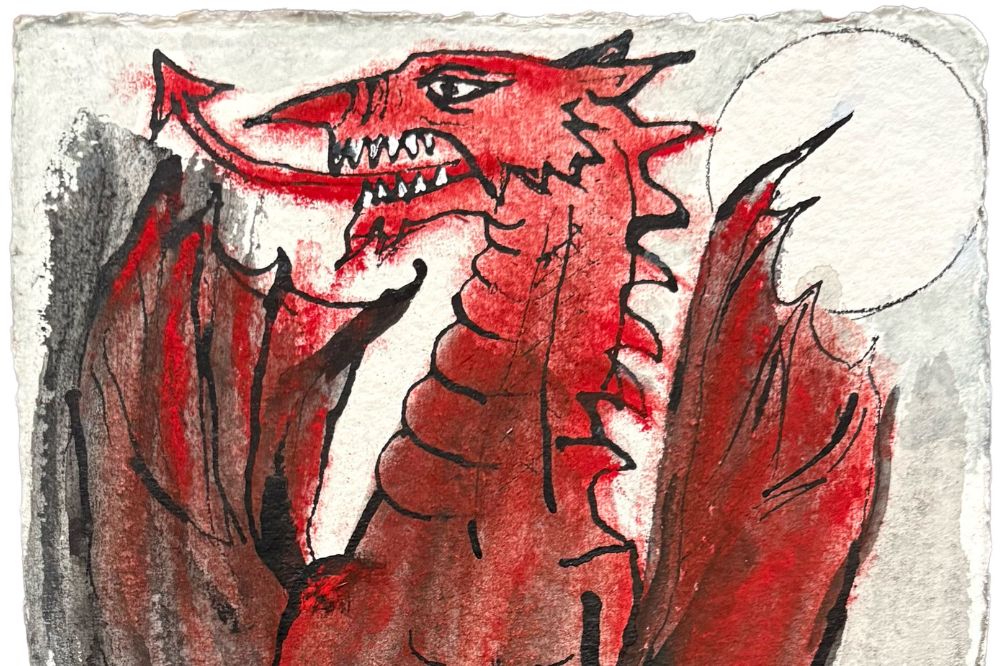
We at Campau Celtaidd Cymru were delighted to read the recent Nation.Cymru article about a London-born Welshman choosing to adopt the historical Welsh form of his surname.
At first glance, it may seem like a deeply personal decision. But it is also something much bigger. It touches on one of the most overlooked aspects of Welsh identity: our naming traditions.
What we found particularly encouraging about Adam ap Huw’s Nation.Cymru article is that it demonstrates something important that is changing in Wales and around Welsh culture and identity.
These conversations are beginning to happen. People are asking questions about Welsh identity that move beyond politics and constitutional debates. They are asking how Welsh culture can become something we experience in our daily lives rather than simply commemorate on special occasions.
For centuries, Wales possessed one of Europe’s richest and most distinctive naming systems, and naming systems are key identifiers of identity. Just think of how ‘Van’ makes you think of the Dutch, McDonald the Scots, MacInnes or O’Leary the Irish or ‘De’ in Portuguese names for example.
Rather than fixed surnames people were, and are still in other nations, identified through their family lineage. In Wales a son might be Dafydd ap Gruffudd; a daughter Gwenllïan ferch Rhys as in modern Iceland Hafthor the son of Magnus will be Hafthor Magnusson and Hekla the daughter of Magus will be Hekla Magusdottir.
These names were not merely labels, our own first minister Rhun ap Iorwerth, carries this traditional naming system. They told and still tell a story of belonging to a community.
Much of Welsh tradition disappeared under centuries of administrative standardisation and anglicisation.
Fixed anglo surnames became the norm, and one of the most distinctive expressions of Welsh identity quietly faded into history. Many Welsh anglicised surnames originate from this system, such as the following examples – and many more:
- Bevan = ab Ifan / Evan
- Beynon = ab Einion / Eynon
- Bowen = ab Owain / Owen
- Parry = ap Hari / Harri
- Pryce / Price / Preece / Rice / Rees = ap Rhys
- Powell / Howell = ap Hywel
- Pritchard = ap Rhisiart
- Protheroe = ap Rhydderch
- Probert = ap Rhobat / Robat / Rhobert / Robert
- Pugh = ap Huw
- Jenkins = ap Siencyn
- Gwilliam/s = ap Gwilym
Yet perhaps it need not remain there.
The recent article is encouraging because it reminds us that Welsh traditions are not the museum pieces, many have tried to make them over the centuries. They still live, and they can evolve and be a part of contemporary Wales in ways relevant to our modern nation.
At Campau Celtaidd Cymru, we reached the same conclusion as Adam.
When establishing our organisation in 2025, we wanted to create something rooted unapologetically in Welsh culture while remaining welcoming to everyone, available to anyone in Wales who shares our vision of inclusion in our cultural and linguistic heritage.
We asked ourselves a simple question: if we genuinely wish to celebrate Welsh language and culture and be inclusive to anyone who calls Wales their home, why should we limit ourselves to talking about them?
Why not live them? Why not share them and develop new traditions for a new, modern, confident Wales?
That philosophy led us to embed traditional Welsh naming customs within our constitution.
How have we done this?
Upon joining as a full member, every member of Campau Celtaidd Cymru is gifted a traditional Welsh patronymic or matronymic name if they do not possess one already, carefully created in accordance with historic Welsh naming conventions and reflecting their own personal identity.
Their legal name remains entirely unchanged, but throughout their participation in the organisation—in competitions, events, correspondence and community life—they will be known by their patro/matronymic Welsh name.
We see this not as replacing someone’s identity, but enriching it. Adding another layer to it, giving the opportunity for everyone in Wales to feel they belong to a Welsh community and linked to its history, heritage and culture.
A Welsh name is a gift: a gift of belonging, of heritage and of participation in one of Europe’s oldest living cultures. It is something to be enjoyed, spoken, understood and lived with. While members use their Welsh names throughout their involvement with Campau Celtaidd Cymru, those names belong to them. If they choose to use them beyond the organisation—in their social lives, on social media, or simply as another expression of who they are—that is entirely their choice, a choice we will encourage and celebrate.
Perhaps the most exciting aspect of this tradition is what it says about modern Wales. For too long, Welsh identity has too often been presented as something inherited, almost as though it were available only to those fortunate enough to be born into Welsh-speaking families or Welsh family lineages. We reject that idea.
We believe Welsh culture is something that can be shared.
Something that can be offered, shared or even gifted. Something that people can grow into.
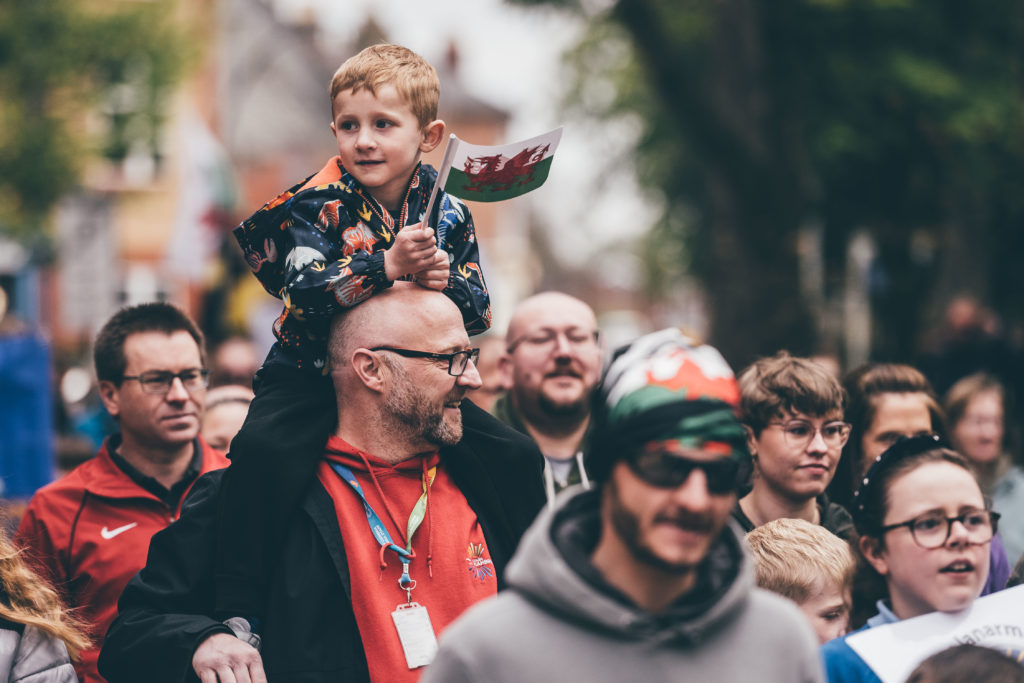
For someone whose family came to Wales from England, Poland, Syria, India, Nigeria or anywhere else in the world, being gifted a traditional Welsh name is a powerful affirmation that they, too, have a place within Wales’ cultural story. It is an invitation to participate, not to imitate; to belong, not merely to observe.
In an age when so many people are searching for connection and community, this simple act can be profoundly meaningful. It says: you are welcome here. Welsh culture is not something held at arm’s length. It is something to be shared generously with everyone who wishes to help carry it into the future.
If we truly believe that the Welsh language and Welsh culture belong to the whole nation, then we should not hesitate to share one of our oldest traditions with those who choose to walk alongside us.
We are not trying to recreate the past. We believe Wales has a future that is richer when it remembers who it has always been.
After all, the greatest gift a community and a nation can offer is not merely its history, but a place within it.
This is why our motto is ‘PERTHYN I BAWB, PAWB YN PERTHYN’, (‘Belongs to everyone, everyone
belongs).
If you would like a copy of our constitution, please visit our website or contact us via the email below.
Please be aware that although this article is English, as it is a response to an original article in English, CCC operates through the medium of Welsh as its de facto language of communication.
Instagram: @campau.celtaidd.cymru
TikTok: @campau.celtaidd.cymru
Facebook: Campau Celtaidd Cymru – C.C.C
Gwefan: www.campauceltaid.cymru
Cyswyllt â ni: [email protected]
Support our Nation today
For the price of a cup of coffee a month you can help us create an independent, not-for-profit, national news service for the people of Wales, by the people of Wales.
Get more trusted Welsh news
Choose Nation.Cymru as a preferred source in Google News to see more of our journalism.



I was christened Robert Brian Jones in an attempt by my parents to give me a British identity, bless ’em, one Scottish name, one Irish name and a Welsh surname. Over time, I began to realise just how contrived it was. So in my early twenties, I Cymreigified my name to what it is now. More recently, I have started just using my name and my patronising in anything other than formal situations. And it feels very natural to do it. Can’t help wondering whether my cultural memory is kicking in.
We should never be made to feel ashamed, self-conscious, or fearful of reclaiming our heritage. By contrast, the Scots and Irish, with their Mac, Mc, and O’ prefixes, have retained this aspect of their birthright identity. Our patronymic naming system was taken away by force under Henry VIII’s Acts of Union with Wales in 1535, and we should embrace it once more. It is who we are as a people.