


Storm the Palace
Simon ap Gruffydd
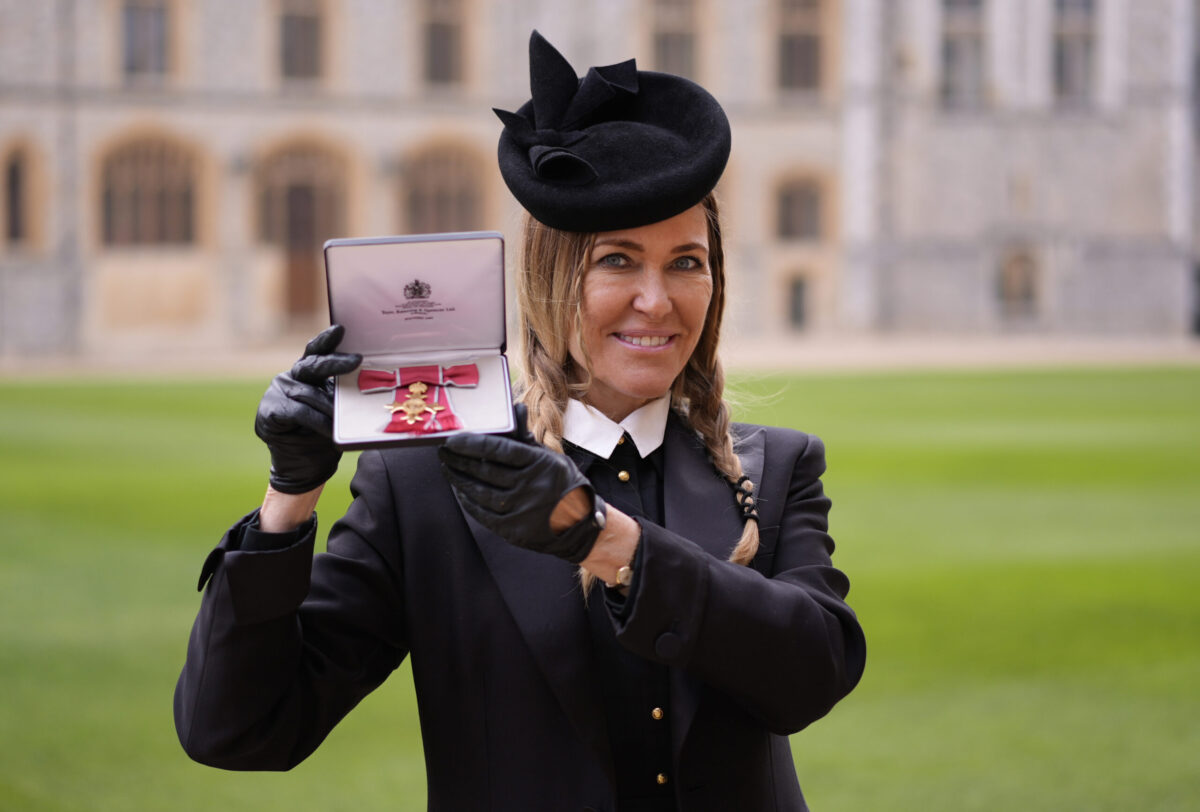
On Tuesday, Cerys Matthews accepted an OBE for services to music from the Prince of Wales at Windsor Castle.
When she sang Storm the Palace with Catatonia, the band had other plans for the premises. Turn the place into flats. Send the royals to work at Spar.
Matthews said she accepted the honour in her family’s memory. Her reasons are hers. What interests me is what the Royal Family got out of Tuesday.
A Welsh musician went to Windsor with an audience she had spent decades earning. For the price of a medal and a morning’s hospitality, the palace got the attention of that audience too. What if the honours ceremony is a thinly disguised marketing mechanism through which a hereditary institution rides on the coattails of the people it decorates to borrow relevance?
In Wales, that bargain carries some history. “It is so sad when you see a bright Welsh star accepting an Empire title,” one Nation.Cymru reader wrote. Consider the title on the other side of the handshake.
Llywelyn ap Gruffudd, Prince of Wales, was killed in 1282 during Edward I’s conquest. His brother Dafydd continued the resistance. The English Crown had him hanged, drawn and quartered at Shrewsbury the following year.
In 1301, Edward gave the title Prince of Wales to his own son. Those who call it a stolen title have a fair question: by what right, beyond conquest, was it Edward’s to give?
There lies the sting. A Welsh audience could hear condescension in this ceremony however graciously its two participants behaved.
Wales had already supplied the singer, the songs and the applause. Now the bearer of a title the English Crown took for itself gets to confer distinction on her. What was missing from her achievement that Windsor could supply?
Perhaps the answer is that you cannot put an audience after your name. You can put OBE. Those letters may impress somebody who has never heard your records, read your research or visited the hospice you built. A donor might return the call. A board might take a second look.
David Bowie declined both a CBE and a knighthood. “It’s not what I spent my life working for,” he said. The sharper question is for the rest of us: why would we give someone more weight on Wednesday for work we valued less on Monday?
To see where respect tips into sycophancy, imagine a surgeon returning from the palace after forty years of operating on children.
Someone at dinner asks, “What did the prince say to you?” Now imagine the prince going home to the same breathless curiosity about what the surgeon said to him. Why does only one version sound funny?
Benjamin Zephaniah understood the publicity value of saying yes. In declining an OBE, he questioned what his acceptance would do for an establishment keen to look modern and inclusive.
Follow that thought into the investiture room.
A sponsor who backs an unknown singer risks money on an empty hall. The palace can wait until the hall sells out. Then it invites the singer to Windsor, arranges the filming and furnishes tomorrow’s papers with a photograph in which royalty stands at the centre of a success it played no part in creating.
If you were designing a publicity campaign for an institution whose principal qualification for office is birth, could you devise a better one?
Each generation supplies musicians, scientists and volunteers whose achievements matter to the public. Each investiture gives the same family a fresh association with something Britain values.
The question the ceremony quietly sidesteps is what the monarchy itself has done to earn that association.
Cerys Matthews went into Windsor already able to fill a room. William came out of it with a detail worth printing in the Welsh press: he likes Catatonia.
Which of them needed the other to look relevant?
Support our Nation today
For the price of a cup of coffee a month you can help us create an independent, not-for-profit, national news service for the people of Wales, by the people of Wales.
Get more trusted Welsh news
Choose Nation.Cymru as a preferred source in Google News to see more of our journalism.


