
Suicide in Wales: Another report. Another warning. When will things change?
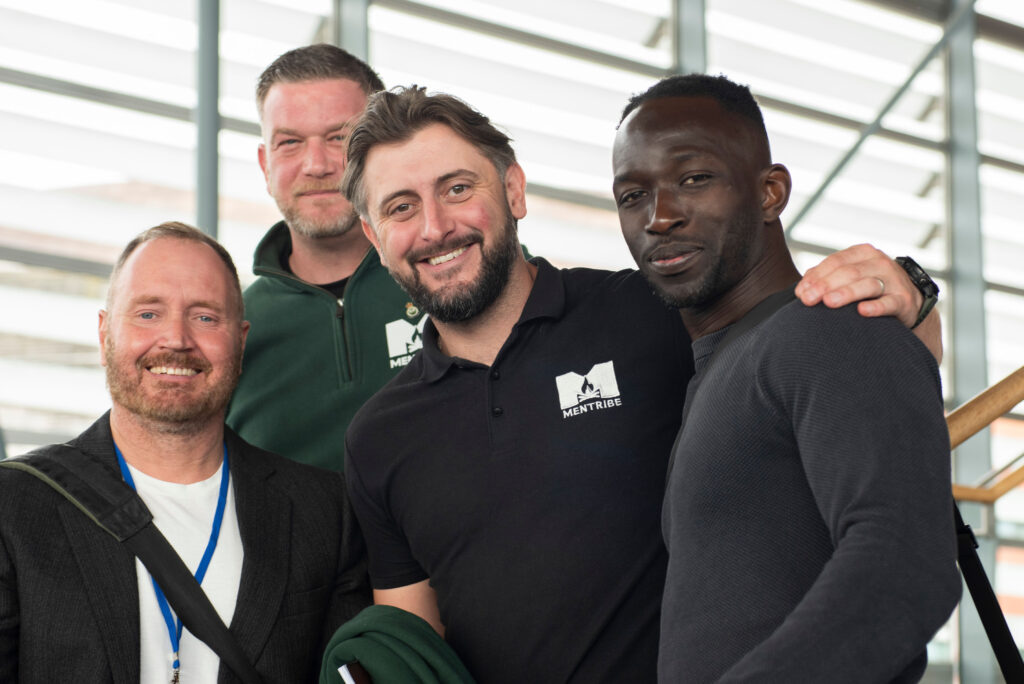
Ian Smith, Director of HELPU
Earlier this week, the Office for National Statistics has published its latest suicide figures for England and Wales. Once again, Wales has a higher overall registered suicide rate than England.
At the same time, Movember’s Real Face of Men’s Health: Wales Report 2026 is calling for Wales’s first dedicated Men’s Health Plan.
Two important publications. One unavoidable question: how much longer can we keep documenting the problem without doing enough to change it?
The latest ONS figures show that Wales continues to face a higher registered suicide rate than England. This persistent disparity demands attention, particularly when we consider the wider inequalities affecting men’s health.
Behind every statistic is a person: a father, a son, a brother, a partner, a friend. People whose deaths leave families and communities asking what more could have been done.
We must look beyond the numbers and ask what action will make a difference.
We already know men are dying too young
Movember’s new Wales report puts the wider picture into stark focus.
In 2024, 6,793 men in Wales died before reaching their 75th birthday. Men living in the most disadvantaged communities can expect to live 7.5 years less than those in the most advantaged.
The report also estimates that five major health conditions cost Wales approximately £1.35 billion a year in direct and indirect costs.
This is not simply a mental health issue. It is about physical health, suicide prevention, addiction, isolation, inequality, access to care and the circumstances in which men live and work.
These problems are connected. Our response needs to recognise that.
Another report — or a turning point?
Wales is not short of research, strategies, recommendations or people raising the alarm. Organisations have been highlighting men’s health inequalities for years. Communities and grassroots groups are already doing the work.
Movember’s call for a dedicated Men’s Health Plan is an opportunity to bring that work together and make men’s health a sustained priority.
But a plan is only valuable if it changes what happens next.
We need clear commitments, proper long-term funding, measurable outcomes and accountability. We need to know which actions will be taken, who is responsible for delivering them and how we will judge whether men’s lives are improving.
We cannot keep asking community organisations to fill the gaps through goodwill and unpaid effort while the need continues.
What I see through HELPU
At HELPU, we work to connect men across Wales to support, community and stories that remind them they are not alone.
We see the value of creating spaces where men can find friendship and belonging without feeling they have to arrive with the right words or a formal request for help.
A man might join a Men’s Shed to learn a skill, go for a walk, attend a group or get involved in a community activity. He might come for the practical benefit and stay because he has found people who know him.
Sometimes connection comes before conversation. Trust comes before asking for help.
That is why community organisations matter. They can reach men in places where traditional services may not, helping build relationships long before someone reaches crisis point.
But these spaces need investment, support and recognition. They cannot be expected to solve a national health problem on volunteer energy alone.
This is personal
My work in broadcasting, counselling and men’s mental health has shaped how I see this issue. I have seen how difficult it can be for men to acknowledge that they are struggling, and how much difference it can make when someone listens without judgement.
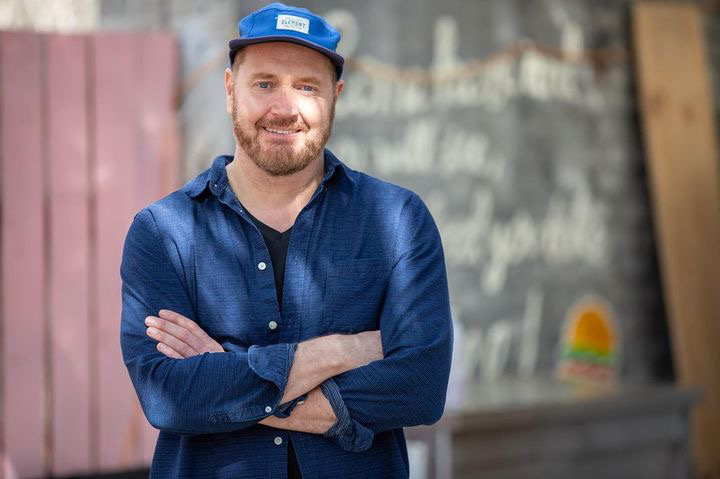
I believe we need to stop treating men’s health as a subject that gets attention when a new report appears or when November brings another round of campaigns.
Men need support throughout the year. They need services they can access, communities where they belong and opportunities to seek help before their problems become overwhelming.
And we need to stop putting the entire responsibility on men to speak up. We must also ask whether the support available is accessible, welcoming, trusted and properly resourced.
We have the evidence. Now we need the results.
The fresh ONS figures and Movember’s report should be more than news stories that disappear from the headlines.
They should be a starting point for sustained action.
At HELPU, our ambition is zero suicides among men in Wales. Achieving that requires partnership across government, health services, employers and communities. It means learning from what works, investing in prevention and ensuring that men can find help when they need it.
We welcome Movember’s call for a Men’s Health Plan. But its success must not be measured by the publication of another document.
It must be measured in lives improved, inequalities reduced, support made accessible and deaths prevented.
We have the reports. We have the evidence. We have people ready to act.
Now Wales needs to turn that knowledge into lasting change.
Ian Smith is Director of HELPU, a Wales-based men’s mental health hub working to connect men with support, community and stories that can make a difference.
Support our Nation today
For the price of a cup of coffee a month you can help us create an independent, not-for-profit, national news service for the people of Wales, by the people of Wales.
Get more trusted Welsh news
Choose Nation.Cymru as a preferred source in Google News to see more of our journalism.