

The best of times, the worst of times: Three days in June 2016
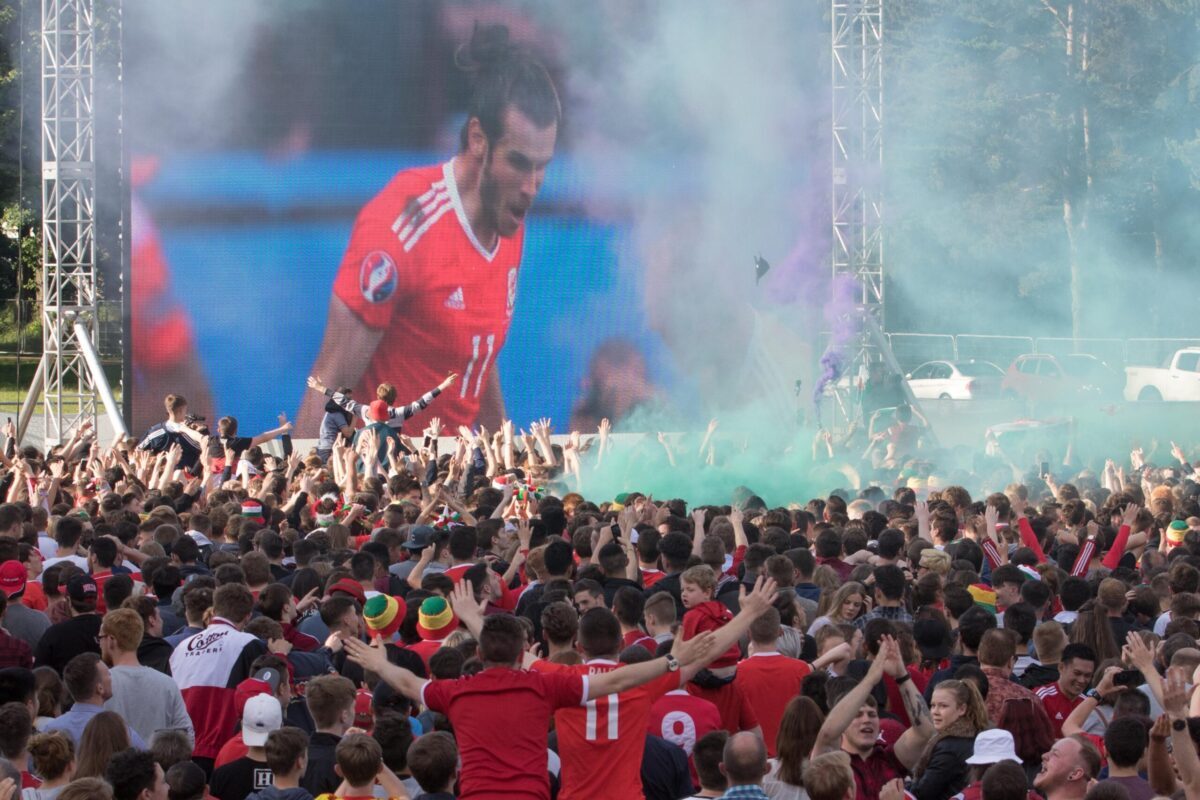
23rd June marks a decade since the UK voted to leave the European Union EU. 25th June marks a decade since Cymru’s last 16 Euros win against Northern Ireland in Paris. Iwan Williams looks back at three historic days that helped shape Cymru’s future, on and off the pitch
Thursday 23rd June, 2016
After all the talk and speculation, the EU referendum had arrived. The UK joined the then-EC in 1973, and for decades had benefited from closer ties with European partners, particularly on political, economic and trading grounds.
Aside from the small cluster of stubborn ‘Up Yours, Delors’ Eurosceptics within the Conservative party, there was no real appetite or clamour for leaving the EU. Brexit just wasn’t an issue for the vast majority of the public.
But then David Cameron offered an EU referendum, a way of keeping these Eurosceptics from defecting to UKIP. A decade on, with Tory politicians defecting to Reform on a regular basis, looking back is tragi-comical. Cameron’s arrogance was in full flow. In 2014, he won the Scottish independence referendum. He thought he’d do it again on the eternal ‘Europe question’ that hung over the Conservatives.
But we wouldn’t be foolish enough to vote to leave the EU, would we? The warning signs were there. In January 2016, then First Minister Carwyn Jones took on Nigel Farage in a face-to-face debate on Europe in Cardiff. It was a naïve move from Jones and encouraged by his supporters in the audience, Farage ‘won’ that evening.
These were the early days of the populist age, when Farage could blame the EU for everything: jobs, deprivation, income, rising costs, a poorly performing NHS, lack of housing etc. Simple, populist messages with a dash of xenophobia and a sprinkling of British ‘Two World Wars and One World Cup’ jingoistic patriotism. “Why is your life rubbish? It’s Johnny Foreigner! Bloody French and Germans, telling us what to do! Bloody Poles, comin’ over ‘ere to steal our jobs! Take Back Control! Sovereignty!” It worked a treat, and still does sadly.
But I was still optimistic. And deliriously happy and content. My wife and I had spent eleven days in France following Cymru in UEFA Euro 2016. It was absolutely glorious, aside from the England defeat in Lens! Following the Cymru national team since 1989, the thrill of qualifying was one thing, but then to witness the magical wins against Slovakia and Russia in Bordeaux and Toulouse was something else.
These were very special and otherworldly days, the best summer of our lives and the culmination of a decade and more following Cymru at home and abroad. Thirty thousand and more Cymru fans enjoying the beer, wine and food under the French sun, a colourful festival of football with fans from different countries mixing on a daily basis, united in song and love for the game. It was what we wanted and had waited for patiently.
A football-themed Eisteddfod on French soil, the frustration of decades of qualifying failure unleashed in a dazzling carnival atmosphere. It was the EU’s motto, United in diversity, in practice on French streets. And as soon as we arrived home, we had more travel plans to sort: Paris on Saturday, a fourth game!
Thursday evening arrived, and it was a case of following the referendum results closely. The Remain camp were quietly confident. We were given a referendum that no one really desired, but there were enough of us to realise that the UK’s membership of the EU was something to treasure, to build on and strengthen for future generations. Right?
Friday 24th June, 2016
Wrong. It was a late night, or an early morning, the fuzzy inbetweener that election nights produce. The BBC called it at 4-39am: The UK had voted to leave the EU. Like so many others, I was in shock, I was angry, and bitterly disappointed. It hurt that 17.4m people in the UK had voted Leave, representing 52% of the vote. But what really hurt was that Cymru, like England, had voted Leave. Over 854k people in Cymru had voted Leave, representing 52.5% of the vote. That was a very bitter pill to swallow.
In previous years I had worked for Cymru in Brussels. I had seen how the EU benefited the UK, and particularly Cymru. From Amlwch to Amsterdam, Barry to Bari, Crymych to Kraków, we worked with colleagues to improve standards and increase prosperity. As Europeans, a common set of goals and values that bound us together.
When it came to the Structural Funds, for decades Cymru had received help for our physical and transport infrastructure from the European Regional Development Fund (ERDF), job creation and skills programmes from the European Social Fund (ESF), and support for our farmers and rural areas from the Common Agricultural Policy (CAP) and European Agricultural Fund for Rural Development (EAFRD). The EU worked out the GDP performance of regions across Europe, and targeted investment in the poorest areas.
The majority of Cymru – ‘West Wales and the Valleys’ (WWtV) – qualified for these investments: not exactly a ringing endorsement of successive UK Governments.
Of the 22 Local Authorities, 15 formed part of WWtV, meaning that Cymru was a net beneficiary of EU funding. In other words, we received more than we put in. Yet only two of the 15 Local Authorities – Gwynedd and Ceredigion, voted Remain.
The other three Local Authorities to vote Remain – Caerdydd/Cardiff, Sir Fynwy/Monmouthshire and Bro Morgannwg/Vale of Glamorgan – formed part of ‘East Wales’, which received fewer EU investments. Despite decades of investments and funding support to close the gap with the rest of the UK, and only twelve days after the Eiffel tower was lit up in Welsh colours following the Slovakia win, the people of Cymru told the EU to ‘**** off’. In a country with very little media presence and the bulk of the population plugged into London’s right wing media matrix, the simple, populist message had won the day.
It was a long day. Sleep deprived and utterly disheartened, I attended a falls prevention work event – the irony. I kept thinking about the catastrophic consequences ahead, the seismic changes, the uncertainty and the implications for everyone in the UK and beyond.
Dad joined me for the evening train to Paddington, and it was a busy night. Little old Cymru had incredibly topped a group including England, Slovakia and Russia. As England expected to play in Paris, I spent Friday night criss-crossing London to pick up tickets for fellow Cymru fans. It was a welcome break from all the Brexit talk and celebratory cries of ‘freedom’.
Saturday 25th June, 2016
Attention was turned back to the football as Dad and I joined thousands of other Cymru fans on the Eurostars, aeroplanes and ferries to France. This was a special day: Dad had taken me to my first ever Cymru game in Caerdydd/Cardiff in 1989, and to finally attend a tournament game together was very special, the pain of Romania ’93 and Russia ’03 washed away as we joined the Parisian football party.
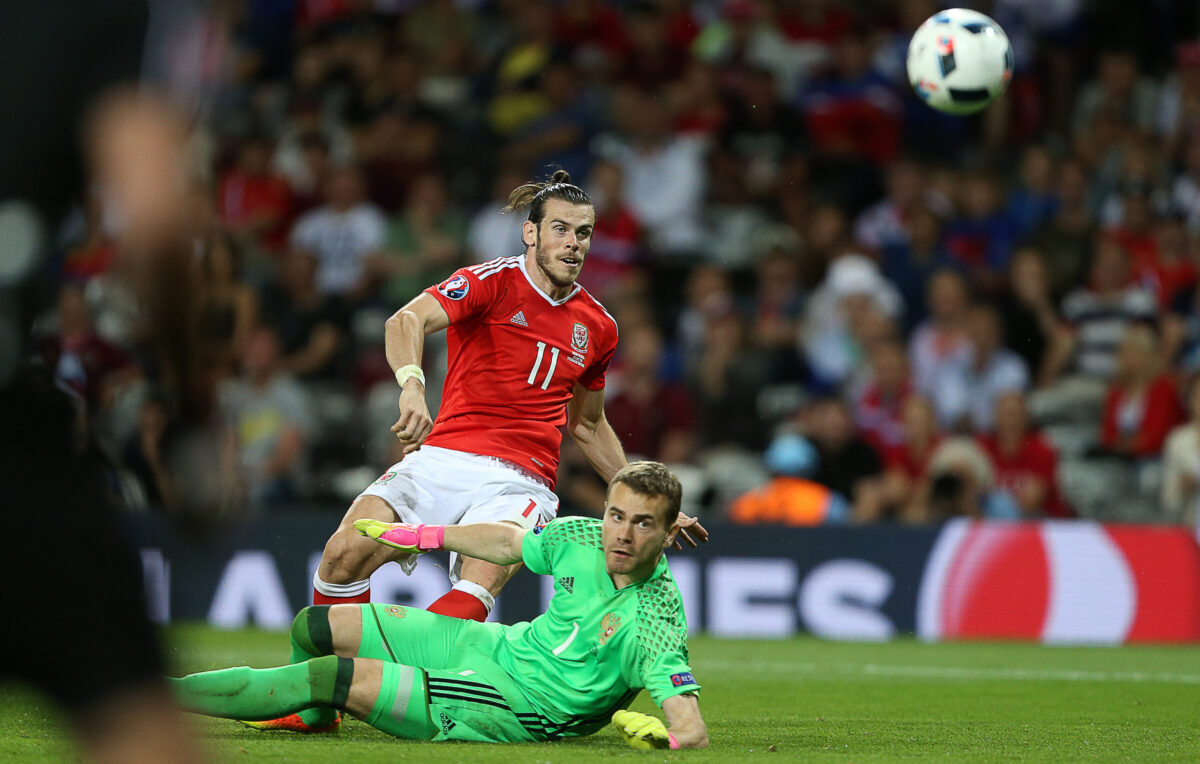
It was such a strange time. I was bursting with pride at Cymru’s achievements on the pitch. With a population roughly half of St Petersburg, we had destroyed Russia in the previous game. The football world was talking about Chris Coleman’s warriors, the skill of Aaron Ramsey, the tenacity of Joe Allen and the genius of Gareth Bale.
At one point, Neil Taylor had more goals than Wayne Rooney and Cristiano Ronaldo. It was beautiful, surreal and unforgettable. And yet off the pitch, Cymru had turned its back on decades of European partnerships, severed economic, cultural and political ties with European allies. Scotland and Northern Ireland (NI) had voted to Remain in the EU, and I’ll never forget some Northern Irish fans laughing at us – as a collective – for voting for Brexit. Amongst the joy, there was cringing embarrassment and humiliation.
It was a tough game, which could easily have gone to penalties. A real war of attrition and NI ’s gameplan to defend deep and frustrate Cymru worked incredibly well. Thankfully, Gareth Bale’s moment of magic resulted in Gareth McAuley’s own goal, Ashley Williams defended the Cymru goal with one functioning shoulder, and we made it through to the final whistle. Cymru were through to the Euros quarter finals. Y Wal Goch/The Red Wall were going to Lille for a fifth game: We were staying in dream world!
The celebratory atmosphere around the Parc des Princes was incredible, and for anyone who has watched ‘Don’t Take Me Home’, the singing and dancing between Welsh and Northern Irish fans in front of the Eiffel tower was iconic. The party would continue long into the night, and Dad and I retired for some much-needed rest after a lively day.
As we returned to London on the Sunday, it was once again a real mix of emotions: joy, elation and pride in our ongoing Euros adventures, and real despair and crushing disappointment following the referendum result. I remember boarding the Eurostar in Paris and thinking ‘We’re returning to Brexit Island. Great’. Don’t take me home indeed.
Today
A decade on, where are we? On the pitch, Cymru’s footballing journey continues to grow and thrive. A second Euros secured in 2020/21, albeit one largely without the fans due to the Covid pandemic. A first World Cup since 1958, and despite some poor results, another unforgettable experience for Y Wal Goch/The Red Wall fans in Qatar in 2022.
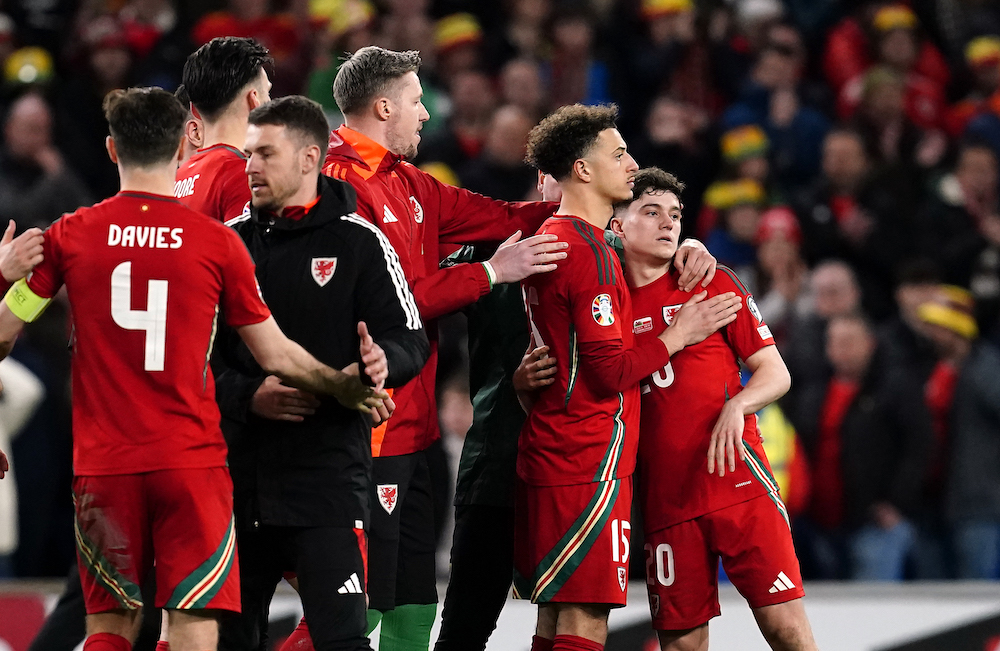
A penalty kick away from a third Euros in 2024, and close to reaching the World Cups in 2018 and 2026. Whilst the golden generation chapter of 2014-22 is over, another chapter is being written by Craig Bellamy and his exciting young team. The women’s game in Cymru continues to grow, and history achieved with the national team qualifying for Euro 2025 in Switzerland. Talented youngsters continue to emerge through Cymru’s player development pathways.
And with the Football Association of Wales (FAW) celebrating 150 years in 2026, there are further developments to look forward to, including the Under 19 Euros in the north this summer, Euro 2028 games in Caerdydd/Cardiff, and the possibility of FIFA Women’s World Cup games in Wrecsam/Wrexham and Caerdydd/Cardiff in 2035.
Support for the national teams continues to grow, as does the FAW’s excellent use of Cymraeg and Cymru brand. Engagement with communities across Cymru also continues, with many governance and strategy lessons for others to learn from, particularly the Welsh Rugby Union (WRU).
Sunlit uplands
And off the pitch? How does Brexit look for Cymru and the UK in 2026? Have the sunlit uplands arrived? The Brexit benefits? Freed from the ‘shackles’ of the EU, has the UK prospered like never before? Not quite.
Brexit costs the UK £600m a week, has made the average UK resident £2,000 worse off a year, and has reduced the UK GDP by 6% to 8%. It’s estimated that Brexit has taken £4Bn from the Welsh economy, and up to £240Bn from the UK economy. The end of EU Structural Funds has resulted in a £1Bn investment reduction in Cymru, with UK Government replacement funds nowhere close. An avoidable decade of discontent, and a miserable waste of time, resources and expenditure.
A very high price for blue passports, produced in Poland by a French-Dutch company.
It has been said that English people who moved to Cymru to retire helped the Leave vote. Whilst this may be true, I know of plenty of Welsh speakers who also voted Leave. And I don’t blame them: Brexiteers, supported by the majority of London’s media, sold the deception well. An extra £350m a week for the NHS sounds great. As James O’Brien often remarked, ‘contempt for the conmen and women, compassion for the conned’.
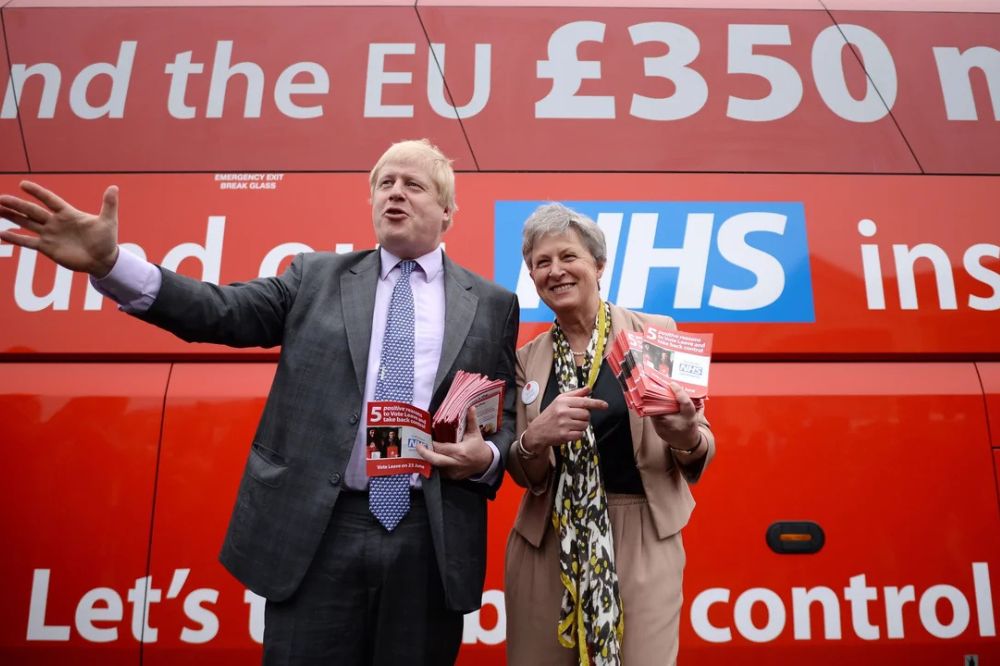
And there’s plenty of contempt for the con artists. I’ll never forgive Boris Johnson, Michael Gove, Dominic Cummings, Nigel Farage etc. And David Cameron as the instigator.
As it stands (with heartening news on rejoining the Erasmus+ programme), my children are denied the right to live, work and study across an entire continent. They’ve destroyed businesses, decimated workforces, separated families, ended friendships and narrowed horizons. From farmers to musicians, fishermen to health workers and hospitality employees, Brexit remains a monumental disaster.
The tax dodging millionaires who sponsored Brexit, encouraged by their friends in Moscow and MAGA America, will never feel its impact.
Instead it’s felt most acutely in our most deprived wards in e.g. Rhyl and Caerffili/Caerphilly. Or Merthyr – home of the Welsh European Funding Office and EU investment signs dotted across the town – where 56% voted Leave.
Separating ourselves from the world’s largest trading bloc voluntarily and celebrating it as a victory: this is our sober reality, and all so predictable. And you almost have to admire the steely determination of Brexiteers living abroad, including those amongst the 400,000 immigrants (strangely referred to as “expats”) living in Spain, to impose restrictions on themselves and complicate lives.
Brexit affects everything, including Welsh football. The end of freedom of movement means more airport queues and passport stamps for ‘Wales Away’ fans. For a while, Enzo Romano, a Cardiff-born teenager who wanted to represent Cymru, didn’t have British citizenship as his Italian and Spanish born parents didn’t earn enough income whilst living in Cymru, according to the UK Government.
Brexit has undoubtedly affected how we treat, value and respect people who move to the UK for a better life and want to contribute to our economy and society.
The EU isn’t perfect. The monthly European Parliament travelling circus from Brussels to Strasbourg is indefensible. Questioning the impact of lesser-known EU institutions, and the generosity of politicians’ expenses (in Brussels and London), is fair.
But to leave the club was an act of self-defeating lunacy, or ‘abysmal stupidity’ as Christoph Waltz commented. Always the awkward partner and ‘black sheep’ of the family, the UK had the best of both worlds: an EU member state but given the freedom to opt out of e.g. the Euro and Schengen Area. To give this up and throw it back in the face of European partners was, and is, deeply shameful.
And it looks worse by the day. ‘We don’t need Europe, we can chart our own course and cosy up to Trump’s America!’ was the cry from rampant Brexiteers, cursing their luck at being born too late to colonise other lands in the name of the ‘Rule Britannia’ empire.
Adrift
With Trump and Vance making it absolutely clear that they wish to disengage from European partners, including the UK, then Brexit Britain looks increasingly lonely and adrift. As Trump and Putin look to squeeze Europe and fragment the EU in an authoritarian pincer movement, rejoining the EU as soon as possible, for Cymru and the UK’s sake on economic, political and security grounds, makes obvious sense.
I was naïve. With the damaging consequences of Brexit laid bare, I thought that those responsible – including Farage – would disappear from our screens and papers, too ashamed to appear in public. But here we are: 34 Reform members in our Senedd after nearly 368k votes, Farage and Reform with a real chance of winning the 2029 UK General Election, and the impact of Brexit downplayed and its failure explained in that we never had a ‘proper Brexit’ in the first place.
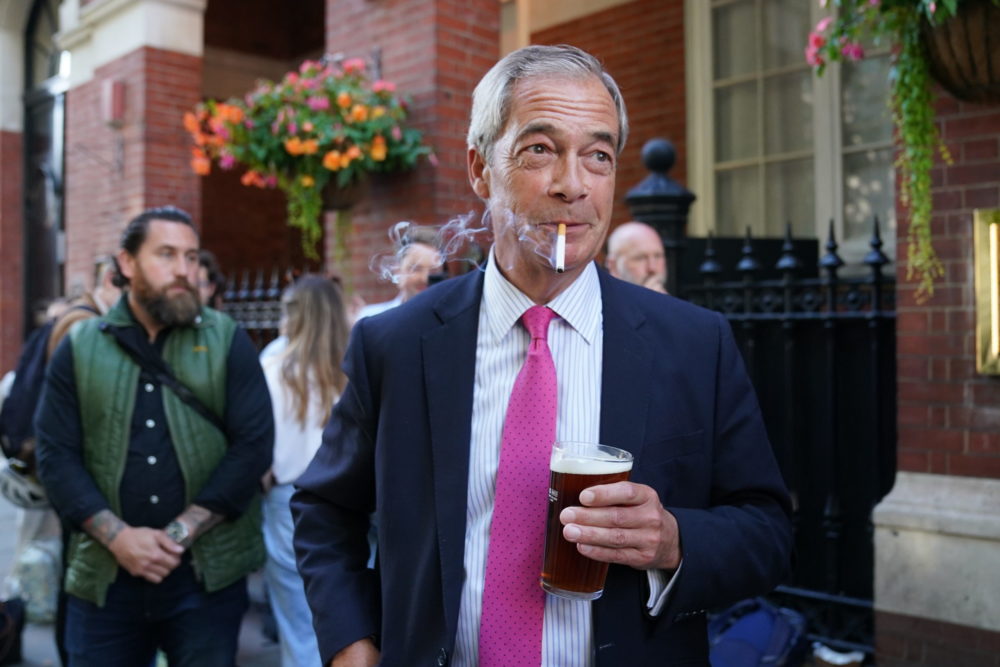
Immigration continues as the distraction tool used by the wealthy elite, emboldened by Brexit and now targeting their faux outrage at the European Convention on Human Rights. Yes, you’ve seen this dire film before.
In many ways, those three days in June 2016 capture Cymru’s character and national psyche. Our juxtaposition. Absolutely fearless in the sporting arena, a roaring Dragon more than willing to punch above its weight, to take on the world’s best and give it everything. Over the past decade, our football and rugby teams, boxers and cyclists have been the living embodiment of Glyndŵr’s spirit.
And yet politically, a feeble amoeba, afraid to challenge Westminster rule, too timid in using its limited powers and demanding further devolved powers or funding from Westminster. A Brexit referendum result in line with England, and even had we voted Remain, the outcome would have been the same. London knows best. Being anchored to an increasingly hostile England, lost in its manufactured culture war and ‘Blame the immigrant’ fixation, is to our detriment.
A Senedd crying out for parity with Edinburgh and Belfast but with too many politicians content with our tepid devolution offer and petrified of confronting the Brexit elephant in the room. The dual Janus personality that sums up Cymru: Equally cursed and blessed, as Catatonia once said.
It’s hard to believe that a decade has passed. Those June ’16 days were indeed the best of times, and the worst of times.
Support our Nation today
For the price of a cup of coffee a month you can help us create an independent, not-for-profit, national news service for the people of Wales, by the people of Wales.
Get more trusted Welsh news
Choose Nation.Cymru as a preferred source in Google News to see more of our journalism.


